Erin

surfingsomm

Erin has a great passion not only for wine, but for surfing.   If you have followed her on Instagram, you will know that so many of her posts are scenes are surfing or neat a beach with a great bottle of wine.   She became a certified Sommelier in 2007 through the Court of Master Sommeliers.  She continued education and completed American Sommelier’s Blind Tasting in 2017.  Along the way, she  worked in dozens of restaurants and was fortunate to work along side many culinary leaders.  On of her goals  is to develop the CWCA into the leading destination for Wine & Culinary Arts.  Along the way, she plans to build a wine team and allow up & coming sommeliers to share their passions and knowledge of the subject.

Surfingsomm.com is truly Erin’s own little passion project, gaining more and more attraction each day. She hopes you enjoy browsing her site and all of the unique content she has to offer. Take some time to explore the blog, read something interesting, and feel free to reach out her if you would like to collaborate on a project together. Read on and enjoy!

Ami

ami_oncloudwine

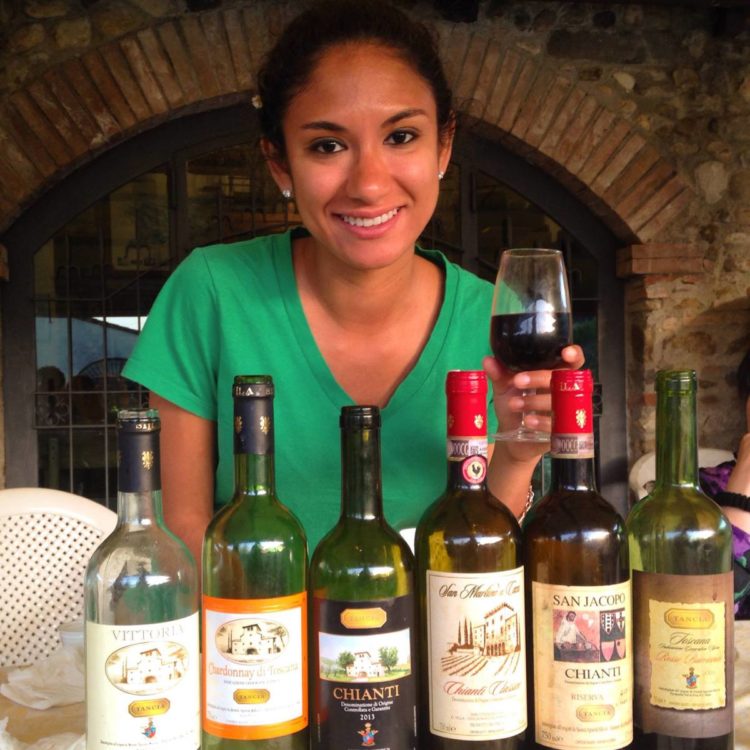
Ami’s big move to wine came after a trip to Tuscany, Italy.   As she says  I had an enology epiphany. I needed to learn more about wine.  She has several certificates regarding levels of wine knowedge.  She is always studying and has a goal  to attend the Master of WIne program in London.   Ami is deeply involved with wine tastings, wine conferences mainly centered around her home area on Long Island.   Being an Long Islander myself, so much of what she writes and talks about seem to be in my back yard.  For a fresh look, check out her web site.

Over the past two and a half years, Ami has increased her palate in tasting whites, reds, rosés, and sparkling wines. She has read several books on wine, joined the wine club Wine Awesomeness and joined the New York Wine Events VIP club. She has joined the professional organizations titled the American Wine Society and Society of Wine Educators.

What does her  blog have in store? She plans to go to wine events, enhance her enology education, interview wine enthusiasts and professionals, and sip savory wines one bottle at a time all while sharing her experience here with you all.

Clams with linguine

Clams/Cockles  with linguine

Ingredients

9  Fresh Garlic Cloves (4 minced, 4 smashed, 1 whole)
1/3 cup Extra-Vigrin olive oil
2 tbls butter
1 cup dry white wine
1/4 cup Fresh Parsley rinsed and chopped
1 oz Pernod
3 pieces of bacon (plain)
3 dozen fresh little neck clams (kept on ice, no water)


2 dozen fresh cockles (kept on ice , no water) 
1 pound linguine
Crushed Red Pepper (to taste)
Salt / Pepper

Put the following 3 ingredients in a small bowl 
1  Fresh Garlic Clove minced finely
Some lemon zest
1/4 cup Fresh parsley rinsed and minced


Preparation

Rinse and scrub clams, not not put in water
Cook bacon slices until crisp, crumble and set aside
Melt 2 tbls butter with  1/3 cup olive oil under medium heat
Add smashed garlic, cook for about 5 minutes. remove garlic
Add minced garlic and 1 whole clove garlic, cook 3-5 minutes
Add Clams and Cockles, turn up to high heat
When the pan is hot, add 1 oz Pernod, let it burn off
Add clam juice and 1/2 cup white wine to pot, cover
When the clams start to open, add the remaining white wine
Add 1/4 cup fresh parsley
Add Crushed Red Pepper, Salt / Pepper

Linguine, cooked to less than  al dente, reserving some pasta water

Add the linguine to the pot with  the clams,cockles and liquid
Add 1 ladle of the pasta water
Cook under medium heat for about 3-5 minutes, do not overcook pasta
Remove from heat
Transfer to a Pasta bowl
Add crumbled bacon , add mixture of minced garlic, parsley and lemon zest
Add Salt/Pepper and Crushed Red pepper (to taste)

** Do NOT use any type of Cheese **

Serve immediately with warm fresh Italian country bread 


Wine
An Italian  Gavi,  or  Tufi d Greco,   or my choice:  Vernaccia  di San Gimignano 


RI Clam Chowder

Rhode Island Clam Chowder


Indgredients

Several Dozen chowder clams
½ Package Bacon
3-4 Potatoes peeled and diced
Chicken Broth
Claim Juice
Butter
1 Onion minced
1 garlic clove minced
1 stalk celery minced
1 -2 carrots chopped

Procedure

Sauté Bacon w/butter add garlic and onion
Add celery and carrots
Add potatoes
Add Clams, wait until they start to open
Add Broth (chicken and clam)
Cook ½ hour or until potatoes are done

Salt/Pepper to taste

Serve with some warm French baguettes

Pair with a  California Unoaked Chardonnay or a Gavi from Italy   

Forgotten?

Wines that have seemed to lost their places in the world

Over the years, many wines that were very popular at one time, seemed to have lost their place in the current world of wines.  Some of those wines were really exciting wines and I hated to see them dissapear, others, fell off because there were so many other good wines that took their places.   Still, a bit of nostalgia here, anyone from the 1970s will remember all of these wines.


Frascati   This wine is an Italian white wine

named after the town of Frascati, located 25 km southeast of Rome, in Lazio, Italy.  It has been made into three types of wines.   Dry, Sweet and Sparkling.   The Sparkling version to me was the most exciting.   This wine is dry and crisp, with a hint of fresh apples and pears.  There is just enough effervescence to make you think its a sparkling wine.   Unfortunately, somewhere around 2000, export laws became very strict, especially in terms of any wine that had some level of carbonation.  Thus, the Frasactis shipped to the United States, were still.   That did take away from the fresh enjoyment of a crisp, semi-sparkling wine with touches of apples and pears.


Ovrveitto  is an Italian wine region located in Umbria and Lazio, centered on the comune of Orvieto. It is primarily known for its white wines made from a blend of mostly Grechetto and Trebbiano, which is sold under the Denominazione di origine controllata (DOC) Orvieto and Orvieto Classico.   This is a classic dry Italian white wine.  Light in body, not a lot of flavours going on with these wines.  They can range from a straw color to a pale golden hue.


Lacryma Christi  meaning the Tears of Christ.  This  Neapolitan type of wine is produced on the slopes of  Mount Vesuvius in Campania, Italy.    This white wine is made from the  Verdeca and Coda di Volpe.   This wine captures the flavor and complex tones that volcanic soil can impart to a dry white wine. Thus this zesty full flavored wine  springs from the volcanic ash of Mount Vesuvius. From its bright golden color to its long lusty finish.  The wine is dry with a good amount of minerals, with zesty lemon overtones and a taste of the sea.


Lacryma Christi Red  is made from Piedirosso and Sciascinoso grapes.
Since this wine is made from the same region as their whites, the volcanic soil plays a major role in the structure of this wine.  Its dark ruby red, with tons of plums and cherry noses.   The bouquet also includes some spice and pepper along with a mineral overtone.  This is a very full, firm soft bodied wine.  The tannins are generally on the firm, but milder side, making it easy drinking.   If anything, I found these reds to be almost too soft,  I would want more, more tannins, more dryness, just more.


Mateus Rose  This is a throw back to the late 1960’s and early 1970’s   Before roses became popular, several rose wines from Portugal hit and flooded the American market.  It is a young fruitful salmon colored wine that is about the easiest wine to drink you can imagine.   Honestly, the actual tasting notes , I’ve abandoned, but instead my memories all of Candle filled Mateus bottles!  


Lancers Rose This fell along the same lines as the Mateus Rose.  The major difference was that the early Lancer’s Roses, always had a slight sparkle to them making them so much more enjoyable.   It was like a poor man’s champagne.   But alas, come the 21st century and export laws clamped down on wines with any level of carbonation.  So, for the most part any Lancer’s rose was a stiil wine.


Ruiniute Lambrusco is made in Emilia-Romagna, which is in the central part of Italy lying south of the Veneto and north of Tuscany.   Back in the 1970’s, Italy was famous for some sparkling wines.   The infamous  Asti-Spumante and Lambrusco was one of them.
Lambrusco is the name of a grape varietal. It is a prolific grape that produces good if not spectacular wines.  The early Lambruscos from Italy were almost always very sweet, juicy, jammy with lots of ripened fruit.   Today, where you can find some Lambruscos, they tend to be on he drier side and even white ones made.


Blue Nun Liebfraumilch (Mother’s Milk)

Made 100% from the Riesling grape.  Nose Aromas of tropical fruit, particularly pineapple. The taste is a combination of bright fresh fruits, with hints of white peach and a soft cool finish.


Andre Cold Duck      America’s fascination with French champagne continued to grow in the 1970s.  But the price  and the fact that they were bone dry, sort of kept the American  market from purchasing those.   So, Andre, created a number of sparkling wines, the most popular was Cold Duck.   The Taste?
Sweet, sweet, full of all fruit and very very


The Chianti Straw Basket       Anyone going to Italian restaurants in the 1970s and 1980s, will remember seeing the Chianti wine in a straw bottle.   I remember that you could not get any other Chianti, they all came in these straw bottles.   They disappeared for while, and today, the only brand I can find is Opici.  The wine itself, while saying it was Chianti, was nothing more than a very dry light and uneventful wine.   BUT it went great with pizza and most Italian food from Naples.

But just like the Mateus and Lancers Rose bottles, I think the most fame to come to the Italian basket Chianti was as a candle holder 


How about theses Oldies but Goodies!

Boones Farm Apple Wine 

Ripple 
MD20/20  (Mad Dog 20/20)
Thunderbird


Apperitifs

Aperitifs – Perhaps a lost art?


An apéritif is an alcoholic beverage usually served before a meal to stimulate the appetite, and is therefore usually dry rather than sweet.  Derived from the Latin verb “aperire,” which means “to open,” “aperitif” has several definitions. The most widely known definition applies to an alcoholic drink consumed prior to a meal. The aperitif serves to stimulate the appetite and prepare the taste buds for future courses.  Aperitifs are less a distinct category of drinks than a state of mind, but the general idea is: something 20% ABV or under, bright and aromatic, and usually licked with herbs and a bit of bitterness.

I remember during the 1970’s working at that great wine shop and attending so many wine tastings and dinners, that aperitifs were so commonly served.
I remember, my sommelier instructor telling me, that before any meal, do not opt for the typical American cocktail, consisting of high alcohol (ie Martinis, Manhattan, etc), but instead go with one of the more versatile and less potent aperitifs.  Instead of actually dulling your taste buds, this actually made them come more alive, so waiting for the first course was so inviting.

I remember the times I spent in France, the before dinner drink was always some type of aperitifs, and waiters would have a scowled look on their faces if you order a typical American cocktail.

What are some aperitifs?  


Lillet  (France)

White (blend of Sauvignon Blanc and Sémillon) Lillet has a golden yellow color with strong honey, orange, pine resin, lime and mint aromas.   The taste is of candied oranges and floral exotic fruits with a long smooth rosemary like after taste.


Kir  (France)

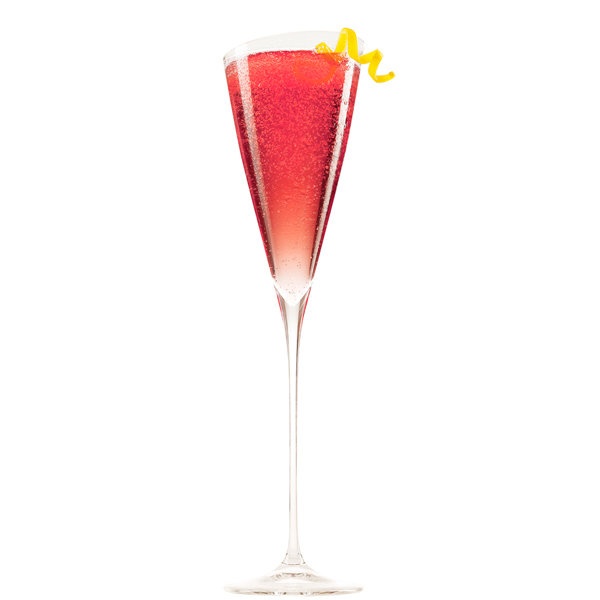
Is a popular French cocktail made with a measure of crème de cassis (blackcurrant liqueur) topped up with white wine. In France it is usually drunk as an aperitif before a meal or snack.


Dry Sherry (Spain)    


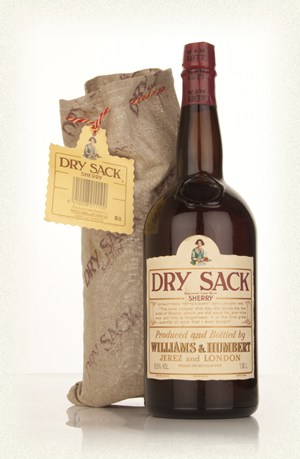
The aroma is very balanced, with sweet pear and green almonds. After a while it becomes more intense, with more hints of floral and olive brine. Nicely smooth and elegant, it never looses its fresh, fruity touch.  Fino sherries generally have a good amount of acidity at first (green apple, lemon juice), then more of a bright nutty flavour.. The finish is rather short but clean and fresh.


     Campari  (Italy)

Back in the 1970’s there were advertisements that said One in 10,000 Americans enjoy Campari – Do you?  I think that reputation came because the bitterness associated with Campari.   It has a very pleasant grapefruit, lemon and clove bouquet.   The taste starts off a little spicy and sweet, but then slowly and boldly turns to a bitter bite.    I have found it best with Soda and Lemon or in the classic Negroni cocktail


Picon  (France)

Orange is the dominant flavor, though quinine, cinchona, and genetian are also known ingredients.    Takes an acquired taste.  Many other aperitifs blossomed using this formula.  Amaro CioCiaro, Ramazotti Amaro and Amaro Nonino


  Cynar  (Italy)

Artichoke is the primary flavoring ingredient , but it does NOT taste like artichokes.   This bitter is made up of at least 13 various herbs and plants.  The aroma is definitely artichoke, but the taste is bitter with lots of those herbs coming through.   It has a long lingering bitter aftertaste.


Dubbonet  (France)

A proprietary blend of herbs, spices and peels, and the medicinal quinine .  Dubbonet was used in the mid 1850s while French Foreign Legion solider fought in Africa.   This was to help with the problems of malaria

A very complex taste.  Cherry, mint and walnut aromas, with notes of lemon zest, cardamom and toffee… with flavors of orange, nuts, chocolate and coffee; finishes fairly sweet, with lemon and herb notes.


Fernet-Branca (Italy )It is a bitter, aromatic spirit made from over 40 herbs and spices, including myrrh, rhubarb, chamomile, cardamom, aloe, and saffron, with a base of grape distilled spirits, and colored with caramel coloring. I have tried this many times and to be honest, it is not easy to drink.  But it is suppose to be great for the digestive system.


Pernod (France)

The bouquet features appealing aromas of licorice that are simultaneously dry, spicy, herbal and vegetal. Palate entry is first dry then off-dry, minerally, slatey and anise-like; mid-palate features the anise, but also nicely salty.

To me, its a finer and lighter version than the Italian Anisette or Sambuca


The difference between an Aperitif and a Digestif

Aperitif – Start of a meal .   Meant to stimulate your appetite.  Generally dry and bitter, with a low alcohol content.  Several examples were given above

Digestif – End of a meal.   Meant to help with digestion.  Generally a bit higher in alcohol than an Aperitiff and  sweeter.  Some examples are
Ports
Sherry
Cognac


Fun with Wine

Having Fun with Wine

No matter who you are with, where you are or what time of day it is, wine can add a lot of fun and excitement to just about any gathering.

When there are a number of people who really enjoy wine, having an informal tasting, or really sampling of different wines can perk up any gathering.   On many occasions, we have had friends over to our house. Each couple were to bring two of their favorite wines.  With  6 couples we had about a dozen bottles to try.

No one knew what the other was bringing, so at times we were loaded heavier with reds or at times with whites., but only once or twice did we ever have a duplicate wine.   Our job as hostess was to prepare a number of different tapas dishes.that we knew would go with just about any type of wine.

We always had at least 3 glass per person, so that at any time, there were two different pours of wines to sample and to talk about.   That left us one glass to clean and get ready for the next wine.

None of this was formal, there were no notes, no big words about all the different characteristics and traits about wines.   I always told the folks coming that all discussion about the wines would be very simple, such as I liked it, it was too dry, I would never have it again!.  This way, everyone  could chime in, regardless of their wine experience.

This got to be a lot of fun, so much that the other couples decided to do the same thing.   We would go to different houses  to taste and sample different wines, to have some nice food, but most importantly to be with friends and have a good time.


Sommelier


I had to research a bit to get the actual origins of a sommelier.   Here are some excerpts from the following url:

https://www.torres.es/en/blog/wine-planet/origins-and-future-sommelier

To varying degrees, wine service has played a significant role alongside food culture since ancient times. Ganymede was cup-bearer to the gods in Greek mythology, and the Romans had a specific name for the people two tasted and served wine (cámera). In the 18th century, however, wine culture really started to come into its own.

There are different theories about the origin of the word “sommelier.” One of them points to the Latin word sumere, which means to absorb liquid, to drink. Another is based on the name for the person who was responsible for the wine during long voyages in medieval France, known as the somerier. The job entailed transporting the wine in carts drawn by animals, the bêtes de somme  (pack animals). From there, the word evolved into sommelierthe person who took care of and knew about wine

The Sommelier’s Cup

The official name is Tastevin which in French means Taste Wine.. This shallow silver metal cup is faceted and convex so that when you’re in a candle-lit cellar, you can judge the color and clarity of a wine more easily than by holding up a glass.   Many times you will see this on a chain around the sommelier’s neck.   This is really for ease of use.   Today, it has become more of a badge of honor recognizing the credentials required to become a sommelier.   Rarely will you see one of these cups used in a restaurant to pour wine to be tasted before giving the bottle to a customer.  Its an old  traditional, but something that should be held in great regard.

How does one become a Sommelier?

If you think becoming a sommelier is all fun and drinking wine, you should know this: it’s no cake walk. You have to read and study, study, study, and practice wine service and identifying wines tasted blind.

First the cost:  Cost to be a Certified Sommelier. An introductory sommelier course through the Court of Master Sommeliers is just $525, with a follow-up course at $395 and an exam fee of $395. If you pass the exam on your first try, this means you can become a Certified Sommelier with your out-of-pocket costs totaling about $1,315. 

Courses:  You can take both Court of MasterSommeliers and WSET classes in the U.S. If you go through the entire Court program and pass, you become a Master Sommelier(MS). For WSET, if you pass the Diploma level, you can work towards a Master of Wine (MW). These top levels take years to achieve.

Achievements:  For blind tasted the wines, they are taught how to analyze color, body, intensity, aroma and flavors to help them figure out where the wine comes from and what type of wine is in the glass.  Lots of time was spent on classic grape varietals and regions where they grow.

The hardest part — tasting wines blind and figuring out what each one is. If you pass then you become a Certified Sommelier. Now you are one step closer to being a  Sommelier

What I have left out of this so far, is the hard work anyone wanting to become a sommelier has to go through.  Face it, you just dont get out of college and one day say, I want to become a sommelier (perhaps they may be some out there), but for many it was a decision that probably came after spending time in some other field.   But their passion for wine drove them to a new career path.  At the same time, they still needed an income, so they stayed with their current job, many having families and other responsibilities.  So, more hard work and sacrifices had to happen to reach their goal.   I am not saying that only people becoming sommeliers have to go through hard work and sacrifices, because anyone who wants to achieve what they are really after and want drives them, it takes more work than usual.

I retired from IBM in 2009.  Part of the retirement package, IBM would pay towards my retraining and/or paths towards another career path.   Since, I have always had a strong passion for wine, I was thinking of going the sommelier route.  But I eventually did not, because I couldnt see what I would do with that degree at my age, since, I wasnt going to work at any restaurant, I’ve already done my time in retail business, and I wanted to enjoy more of a social life and travel.   I do regret not taking that plunge.   Sure, I might never have used that degree ins a professional manner,  but it would have given me more self satisfaction.

Over the years, I have met many sommeliers.   Some face to face, some from research and some online.   I think the one thing that always turned me off, was those ‘Wine Snob type – Sommeliers’  Because of their knowledge, they feel that they are one level above anyone they talk to about wine.   Doesnt even have to be a sommelier, you have probably run into people like this everywhere.   Many retail wine shops have one wine person that fits that description of a wine snob.  You know, talks about all the different things about wine, that the average consumer really doesnt want to know about.   I have always had a pet peeve about this.  Wine should be fun, no matter if you are the teacher or the student.

In the past 6 months or so, I have really ramped up my interest about wine.  Not wine itself, but talking to others about wines, theories, tastings and almost anything dealing with wine.   Prior to that , I had joined a number of wine forums.   I never stayed their too long, because of what I felt was ‘Wine Snobbery atmosphere’   Then on Instagram, I found a whole different sort of folks.   It was fun again.  I’ve learned so much and hopefully have parted some of my knowledge.    I have to single out one person in particular, that is Samantha Capaldi , instagram name samanthasommelier.   I read so many of her posts, knowing that she is a certified sommelier and I enjoyed all of her words.   She made it fun, to me, she is what the wine industry really needs, a spokesperson who can educate, delivery and show you so much about the world of wine and food and ENJOY IT

In my section on Resources, I have included her website    http://www.samanthasommelier.com    
Take a look at her web site or visit her on Instagram, she is a very talented
and creative young sommelier.


My Tastevin

When I was working in my first Wine shop, as many of you know, I was trained by and ex-sommelier.  When he passed away, he left me his cup.  I still have it today.   I received it in 1972, but I made a mistake.  The cup was old, dirty, not much of a shine or gleam to it.  So, I took some  silver polish to make it shine like new.   I should have kept it in its original condition.