Open Champagne

HOW TO OPEN A BOTTLE OF CHAMPAGNE or SPARKLING WINE


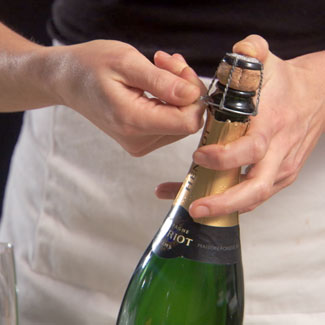
Remove the foil from the cork.


Untwist the wire restraint securing the cork. It will take 5 and ½ turns.


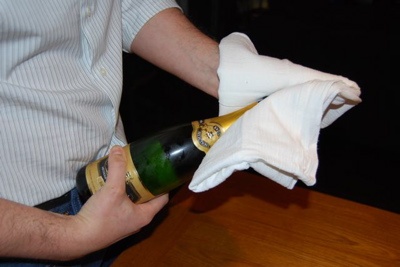
Wrap the bottle’s neck and cork in a dish towel. Take hold of the cork with the towel and gently   untwist.  Continue untwisting, or hold the cork in place and twist the bottle itself.


Angle the bottle away from everyone. 


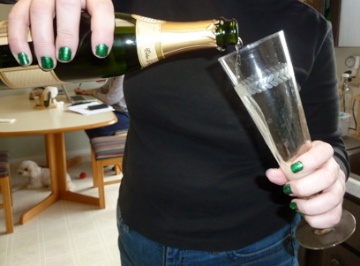
Slowly ease the cork out of the bottle’s neck. Listen for the pop and pour. And then enjoy!

White Blends

White Blends – Easy to Drink, Easy on your Savings

First, I have to admit here, that I am not a big big fan of White blends.   When I drink whites, they generally are from single grapes and the better known producers.

But just like the red blends, the white blends are made so that they are easy to drink.   They lack the harsh oaks which so many people find objectionable., they display some fruit but not overdone,  generally low on acidity and are mostly medium in body.  Sounds like some tasting notes for a nice easy wine to drink and that is exactly what most of the white blends are.

Here are some of the White Blends I have had and enjoyed

Menage a Trios White


Apothic White


Rosemount Sauvignon Blanc/Semillion Blend


Mouton’s French classic white


Red Blends

 Red Wine Blends    an Easy and inexpensive way to enjoy wine!


I really have been excited since wine blends have been hitting the retail market.  No, I am not talking about the original blend,  the French Bordeaux, but I am referring to some very easy, soft drinking wines that are generally not expensive.

When I was in the retail business, anytime I had a customer that said that they did not like wine, or didnt like something too dry, too fruity, too tannic, or too of anything, I would point them in the direction of the wine blends.

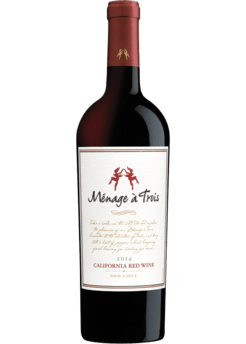
About 10 years  ago, if I remember correctly, the only blend that was common in retail shops was   Menage d Trois .   It was such a nice easy wine.  The best way to describe it is that it has  almost jammy flavors dominated by red berries, blackberries, and just a bit of plum. It’s has a creamy or velvety texture that helps make it very smooth and enjoyable to drink. It’s quite approachable as a drier red wine that is easy to drink either alone or with food.    It retails anywhere from $9.99 to $11.99.

Here is a list of some Red Blends that I have tried and feel that they are definitively worth having

All of the following basically have the same overall tasting notes.   Very soft,  a fair amount of fruit, low on tannins, good body, easy to drink with a average after taste.     My favorite of the group is Bogle’s Essential Red.   Retails for $9.99 and is such a nice pleasant wine.  We’ve served it at many of our outdoor parties, since it goes with so many different foods.   The retail store, Stew Leonards of Danbury calls it the Pizza Wine.  I also  enjoy Costco’s Kirkland Meritage, retails for a bit more $13.99, but well worth it.  It does remind me of some of the smaller Medocs from France.  It has that distinct multi-grape aroma and taste.   My least favorite is Cupcake’s Red Velvet.  I found it to be way to sweet, even though listed as a drier wine.

Apothic Red (they also make a Dark and a Crush)


Bogle Essential Red
Francis Coppola Roso


Kirkland Meritage


19 Crimes Banished Red


Cupcack Red Velvet


Collection

Building a Wine Collection

I’ve touched base with some of this in my post about storing wines.   So, for now, I am going to bypass any details about How to Store or Where to Store.

This is about selecting wines that you can start to build a wine collection.   One of the first things I have always told my customers, was to start small  and to keep in inexpensive.   A small collection of 12 different wines, all under $10 is a great way to begin any wine collection.

Buying and Selecting

What wines should I select?  This statement sort of goes along with the How should I stock my liquor cabinet?  I think the best way to start is to pick out 6 different types of grapes and purchase 2 bottles of each.    Definite wines to start out with should include:

Cabernet Sauvignon
Melot
Pinot Noir
Chardonnay
Sauvignon Blanc
Riesling

This will provide you with a good cross section of different wines that should satisfy many different tastes.  Once this is established, you need to put a plan in place for future buying.   When I go to wine shops, I generally pick out 6 wines that we would probably be drinking within the next 7 to 10 days and then I pick out 6 wines that I want to add to my collection.    Doing this monthly, it a matter of a year, you could have almost 100 bottles in your collection!

Organization

I have four different sections of m wine cellar.

Immediate drinking
For guests and parties
For aging 1 to 3 years
For aging over 5 year

This way, I always know I can select the right wine for the right occasion.   During the summer months, I will take the Sauvignon Blancs, Pinot Grigio, Roses  out of the cellar and keep them in the refrigerator so they remain cold.
I still keep some of those same wines at cellar temperature,

When I put those wines in for future storing, I keep them a little harder to reach then the other wines.  This so I will be hesitate about reaching up and out for that special wine

Types and Styles

I like to pick wines from different countries, but all having the same grape.
So my collection will always have Sauvignon Blancs from California, Washington State, New Zealand and Australia.    THe same applies to most of my wines, White or Red.   Its always interesting to see the difference between a Cabernet Sauvignon made in Australia, then from one made in California.

I think adding some Champagne and or Sparkling wine is a must.   Then start exploring the idea of adding some dessert wines (ie Sauternes, Barsac, Icewine, etc) and other fortified wines (ie Port, Sherry, Maderia, etc)

Keeping

Here is where everyone can differ with their ideas and still have a good wine collection.   In my cellar, I have sections reserved for the different types of wines, most broken down by grape (ie Cabernet Sauvignon / Bordeaux , Zinfandel, Pinot Noir, Shiraz) and by country.

Having a wine collection is such a fun and adventurous thing to do.   First, just picking out the wines and starting to store them is a lot of fun..  You just have to resist drinking them before you store them!   Knowing that with almost any occasion (ie friends stopping by, special events, special dinner, etc) you will have a wine in your cellar just for that moment

Building a wine collection is so easy to start and over time it can be one of the better education aspects of wine.   You get to purchase different grapes from different wineries, different countries, etc.   You start to taste each of these and realize, Wow they can be different

Enjoy your wine collection!

There are some folks, that just like to add on to their collection and keep adding without actually drinking many of them.  They could be looking to sell some of those wines at an action.

Me, I want to drink the wines I put aside


USA Grapes

Wine Grapes grown in the United States


Grape Acres Hectares
Chardonnay 106,000 43,000
Cabernet Sauvignon 101.300 41,000
Pinot Noir 61,800 25,000
Merlot 51,900 21,000
Zinfandel 47,000 19,000
Syrah 22,200 9,000
Pinot Gris 19,800 8,000
Sauvignon Blanc 14,800 5,000
Petite Syrah 11,400 4,600
Chenin Blanc 4,800 1,900
Barbera 4,800 1,500
Grenache 4,400 1,780


Other Facts:

  • Total grape growing in the USA is 1 million acres  which is 440,000 hectares
  • Most planted grape is the Sultanina (eating and raisins) accounting for 148,00 acres, 60,000 hectares which is about 14% of the total grape growing areas in the entire United States
  • Just grapes grown for wine account for 800,000 acres or 320,000 hectares

Sulfites

S U L F I T E S


The term sulfites is an inclusive term for sulfur dioxide (SO2),apreservative that’s widely used in winemaking (and most food industries) for its antioxidant and antibacterial properties. SO2 plays an important role in preventing oxidization and maintaining a wine’s freshness.

“Contains Sulfites.” These are words you see on almost every bottle of wine. Just two little words — yet so frequently misunderstood!

What are sulfites? Are they really bad? Do they cause wine headaches or other related ills?

Consumption of sulfites is generally harmless, unless you suffer from severe asthma    ** I will be coming back to this statement, because it is very important **

Some Facts about Sulfites

Many foods have higher levels of sulfites than wine

Any wine containing more than 10 parts per million (ppm) of sulfur dioxide must affix to the label ‘contains sulfites’.

Myth: Sulfites in Wine Cause Headaches. Medical research is not definitive on the relationship between sulfites and headaches. There are many other compounds in wine such as histamines and tannins that are more likely connected to the headache effect

Myth:  Red wine has extra sulfites, thus it causes more headaches.   The truth is that red wine generally has less sulfites than white wine.   In the opening paragraph, I stated that sulfites are also used as a preservative in wines.    Red wines on a whole, have more tannins than white wine.  Tannin is a stabilizing agent and red wines normally go through a go through malolactic fermentation, reducing the amount of sulfur dioxide that is needed.

Myth:  Wine should be avoided because it contains sulfites.   Most wines contain about 10 times less sulfites than most dried fruits.

Myth:  Sulfites are inherently unnatural. Apart from the potential allergic reaction, many people are against sulfites, because they feel they are an unnatural addition when making wine.  it is important to remember that sulfites are also a naturaby-product of the yeast metabolism during fermentation. So even if you do not add any additional SO2, your wine will still contain sulfites.   That is why ALL wines contain some level of sulfites.   You may read or hear about wines that contain no sulfites.   That is not true,  what is more accurate, is those wines do not contain any additional sulfites.

Additionally, one of the reasons that you see more wines labeled ‘made from organically grown grapes’ than labeled ‘organic wine’ is because in the US organic wine must not have any added SO2.

So Why Do I Get a Headache When I Drink Red Wine?  

Going back to answer one of the earlier statements I made.

All of these scientific facts, however, do nothing more than say that sulfites are probably not the culprit for the well-known phenomenon of red wine headaches. Other possible reasons include, as I mentioned above, histamines, the alcohol content itself, and tannins. The latest evidence points to the latter.

I have done some informal studying with a number of customers.  I had a group of about 25.  Some white, some red wine drinkers.  I gave them a brief survey about sulfites, plus I asked a bit about their own medical situation (ie asthma, allergies, etc)   After a month of having these folks drink wines and record when/if they had headaches, about 80% of the people who talked about headaches were those that had mild asthma or allergies.   The others included in that number were tea drinkers.   Tea is generally higher in tannin than wine is.


So , I think the bottom line can be established that SULFITES are not the culpruits for causing headaches in people that drink wine!

But to always be on the safe side, there are people who are over sensitive to any type of wine and even one glass can trigger a migraine.   But this is not the normal wine drinker population.


Credits:

https://www.thekitchn.com

Wineries

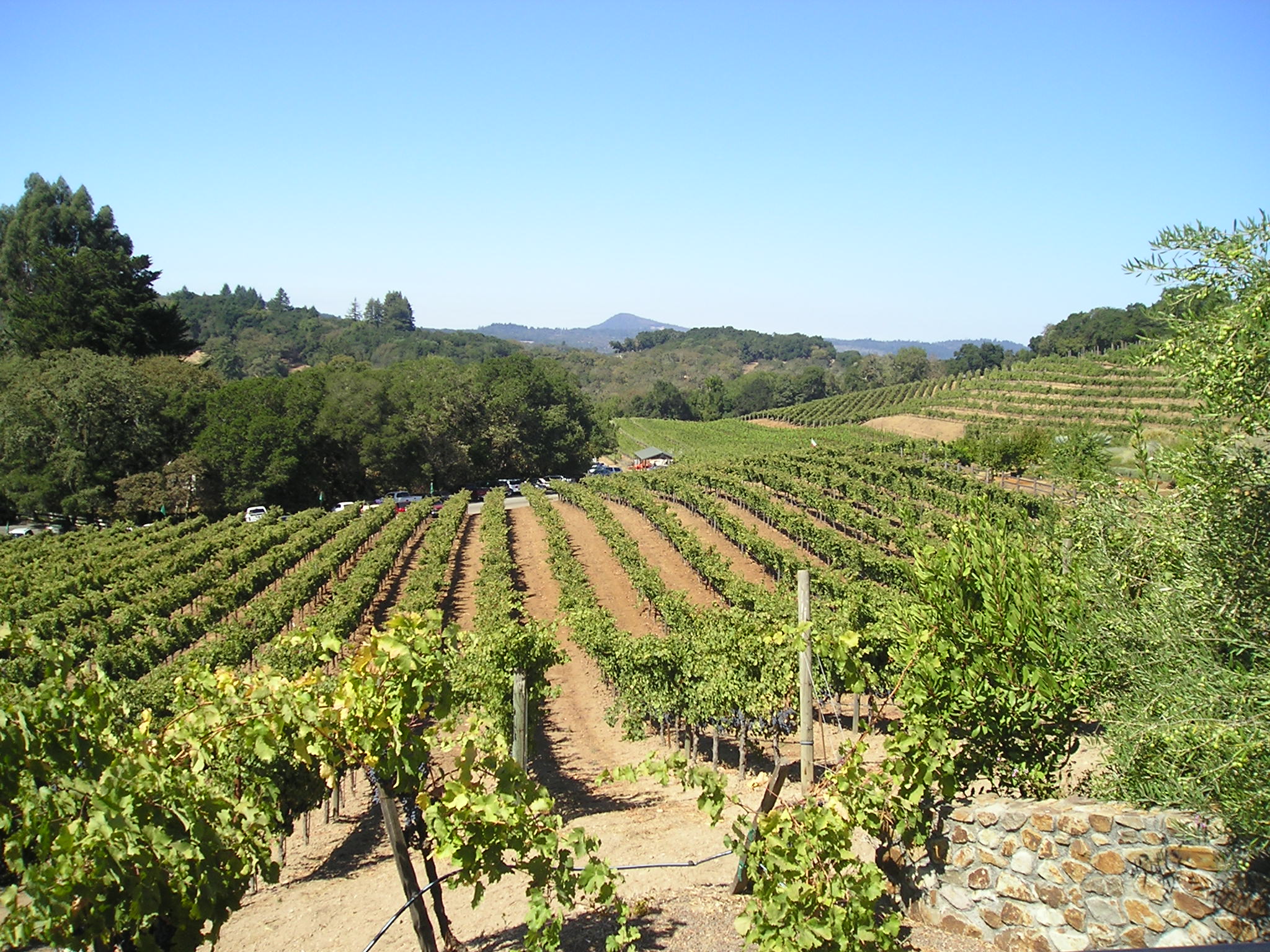
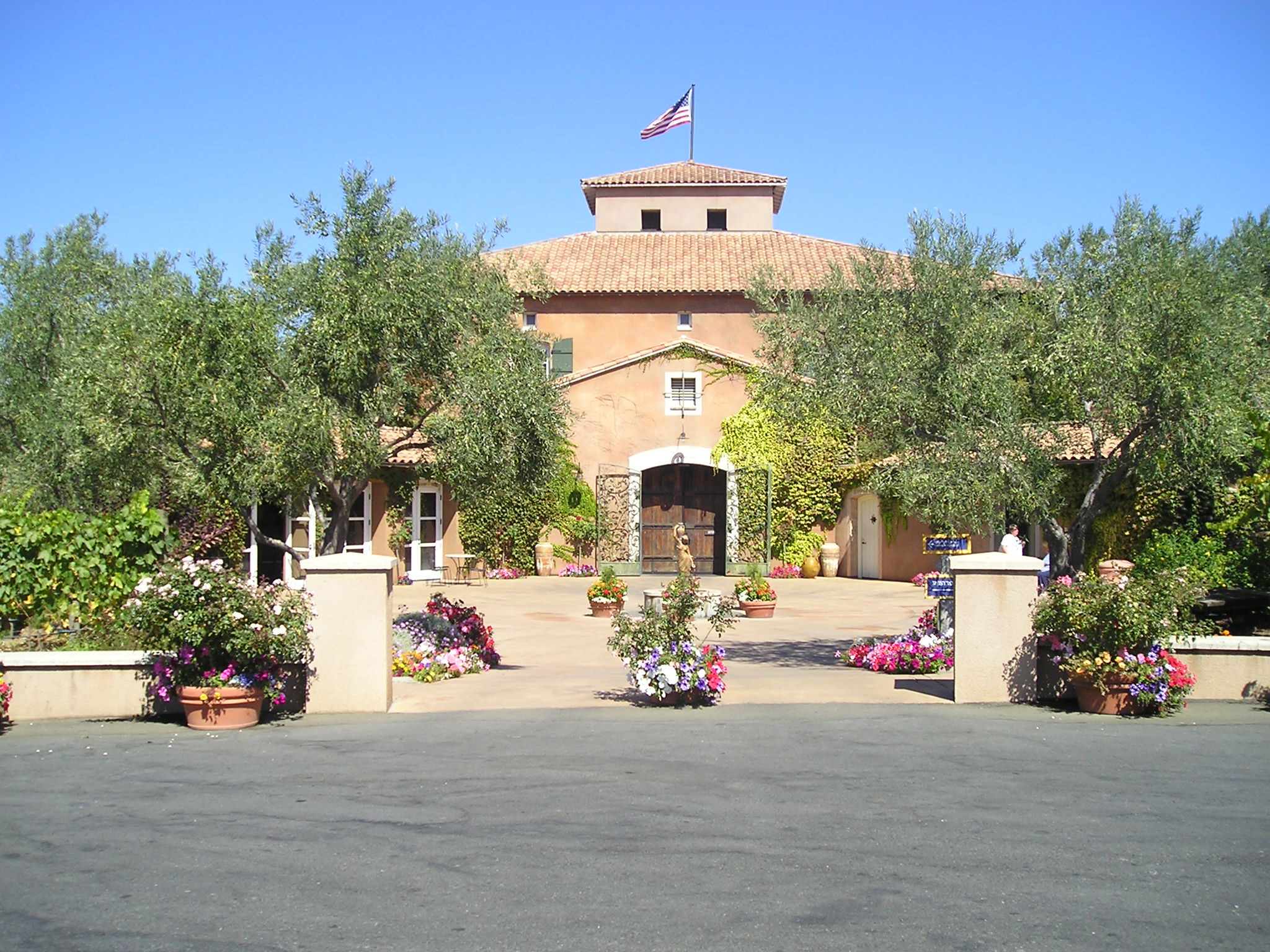
WINERIES I’v Visited


ITALY 

Tuscany at the Pig Farm, Olive Oil and Wine Grower


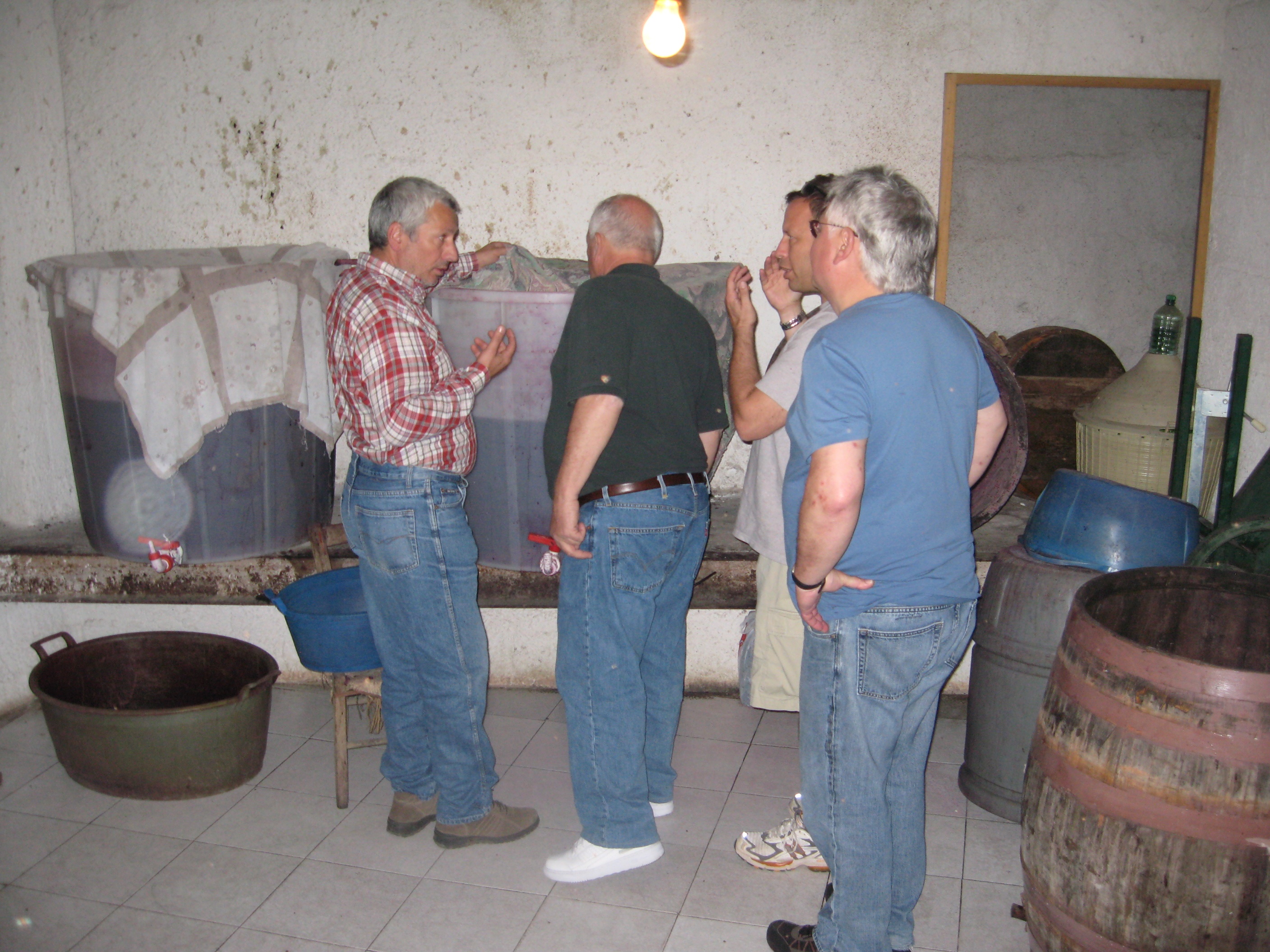
Cousin Gerolomo outside the town of Lauro.  His wines he made the previous year



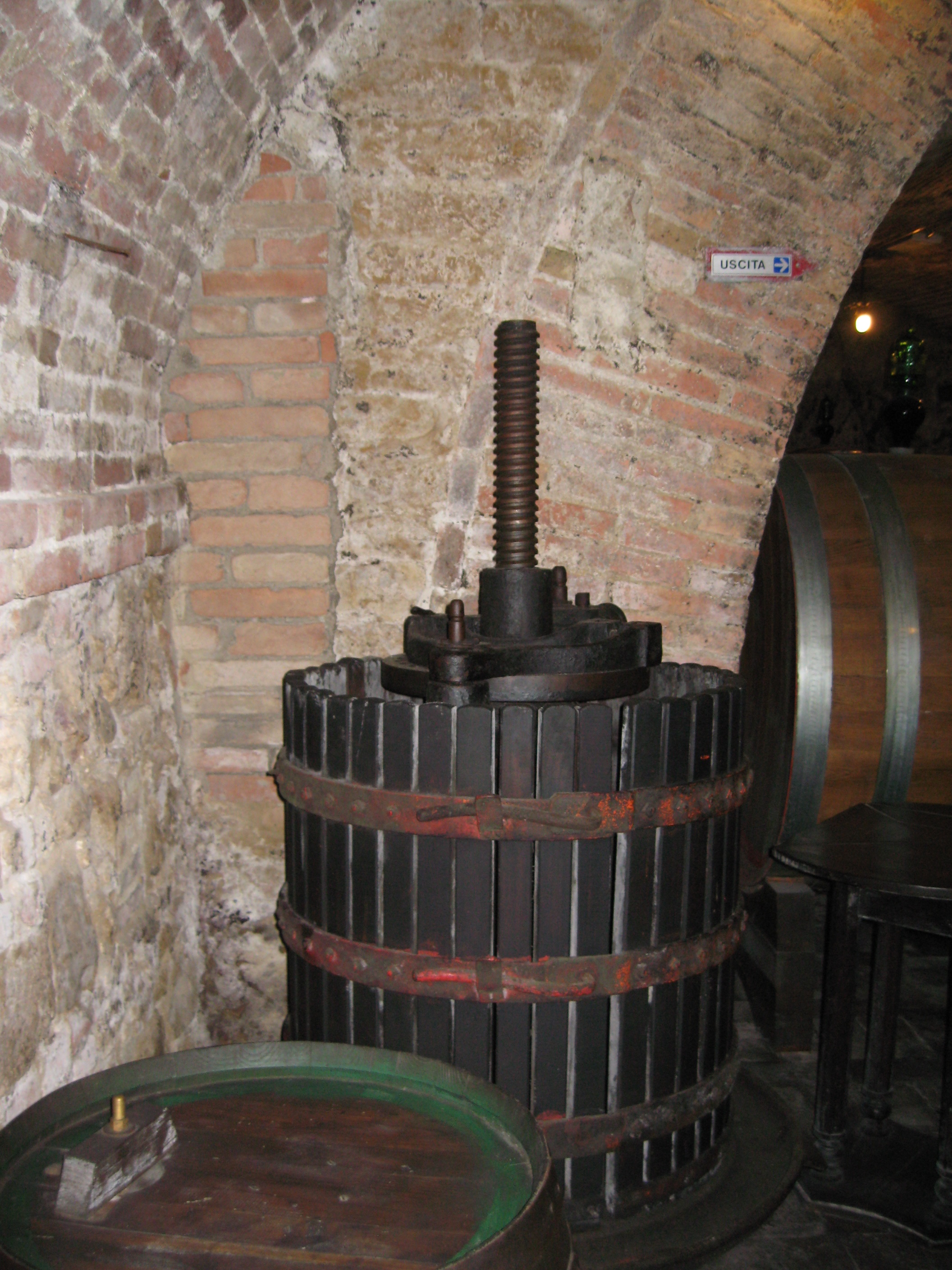
Old Wine press in Montepulciano

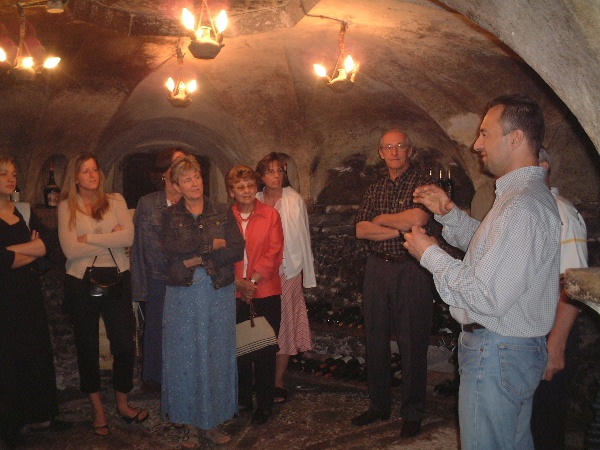
Wine Cellar in Aoelia, 1 Mile from Galieo;s House
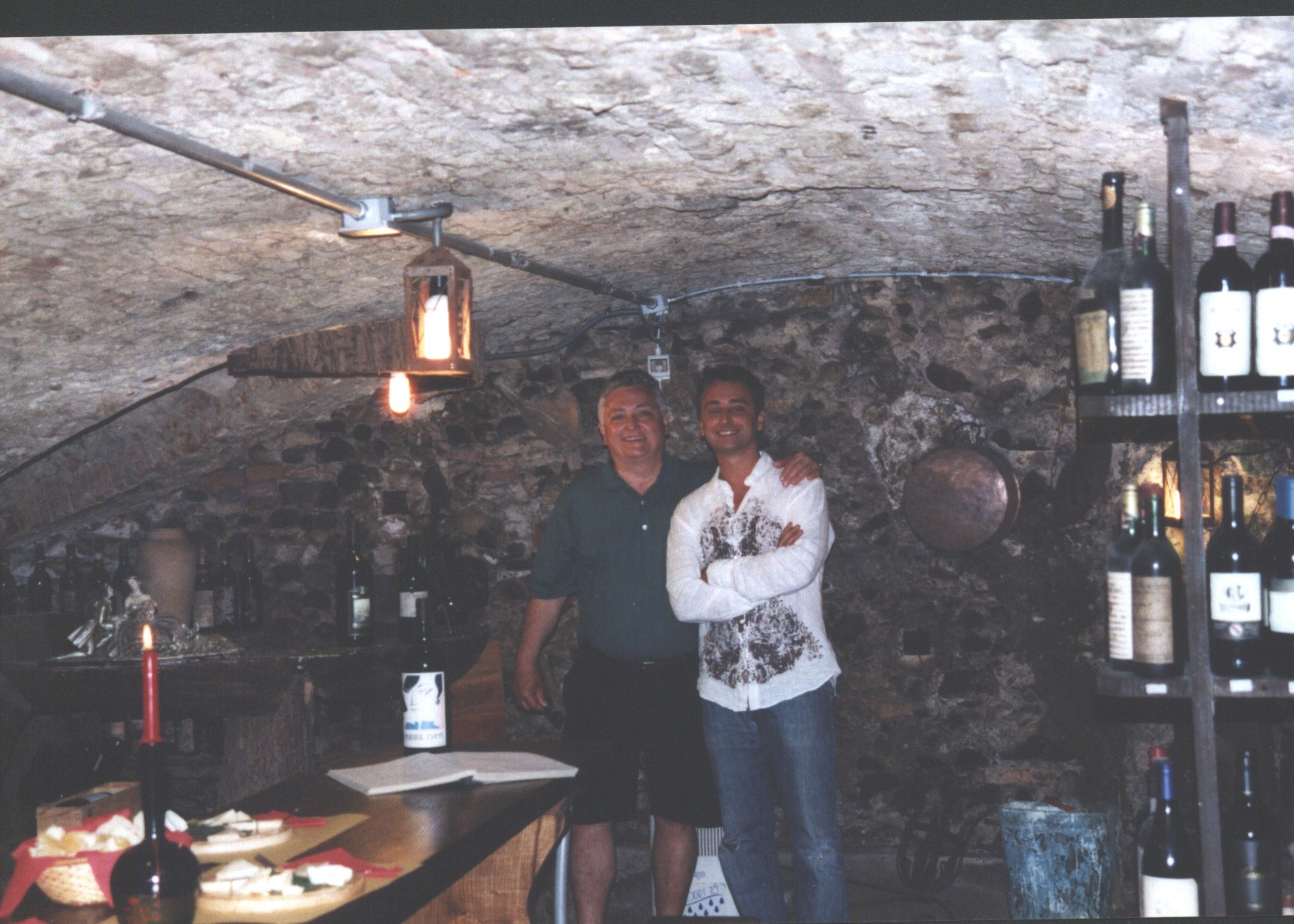
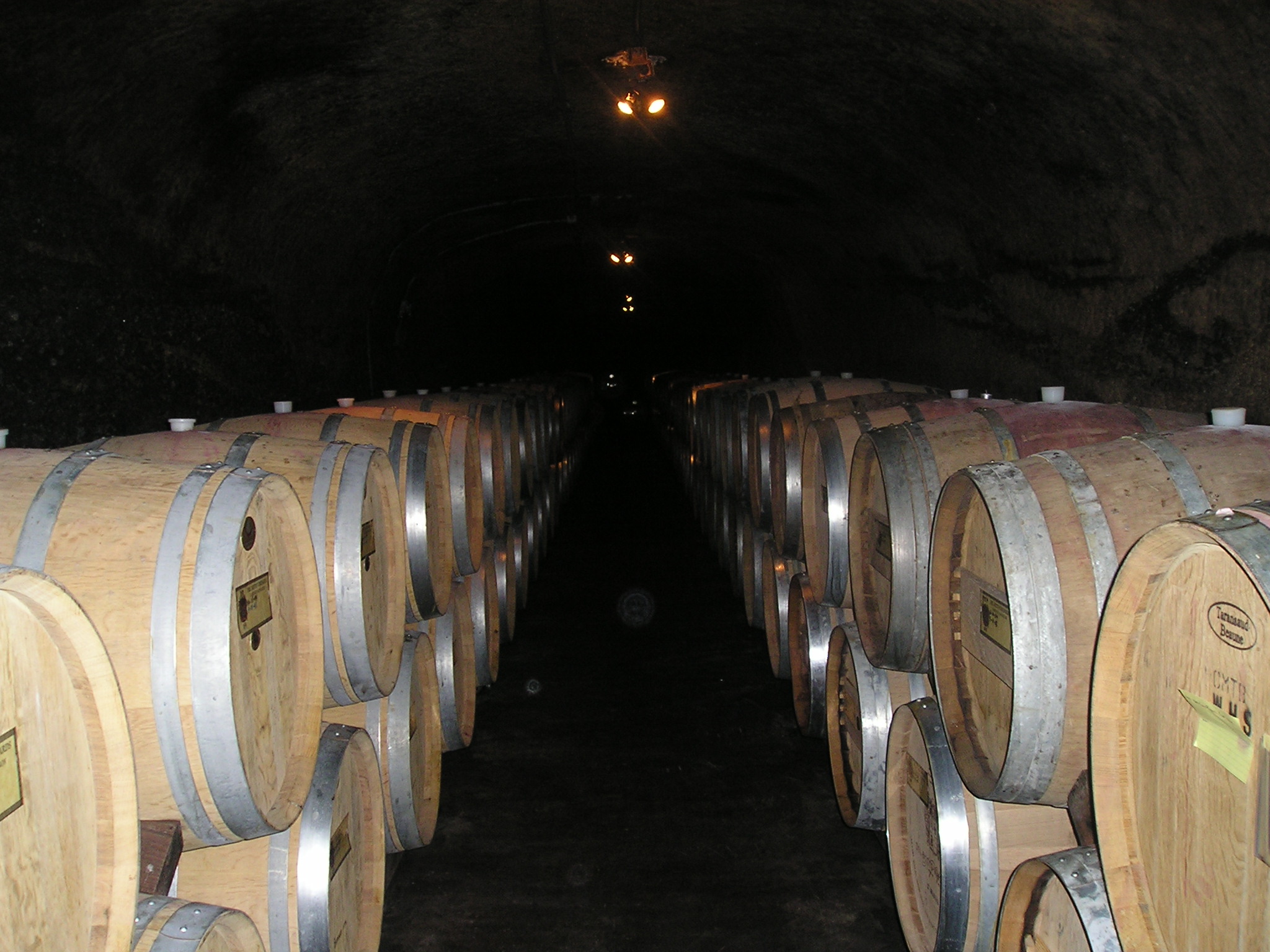
Underground Wine Store/Cellar in Lucca


Orvieto


CALIFORNIA                             

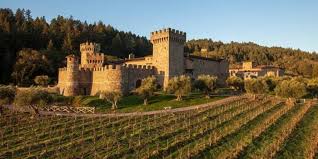
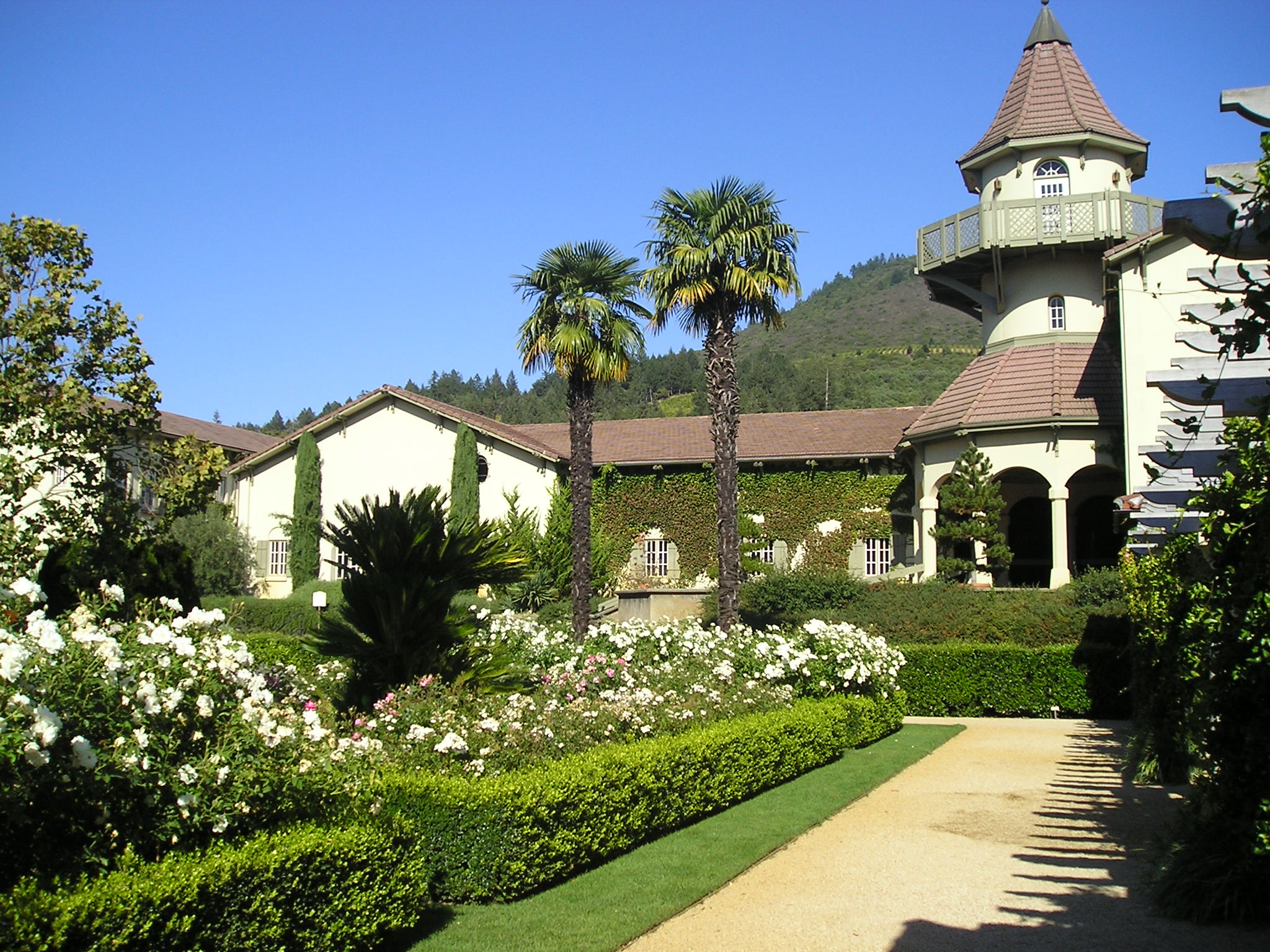
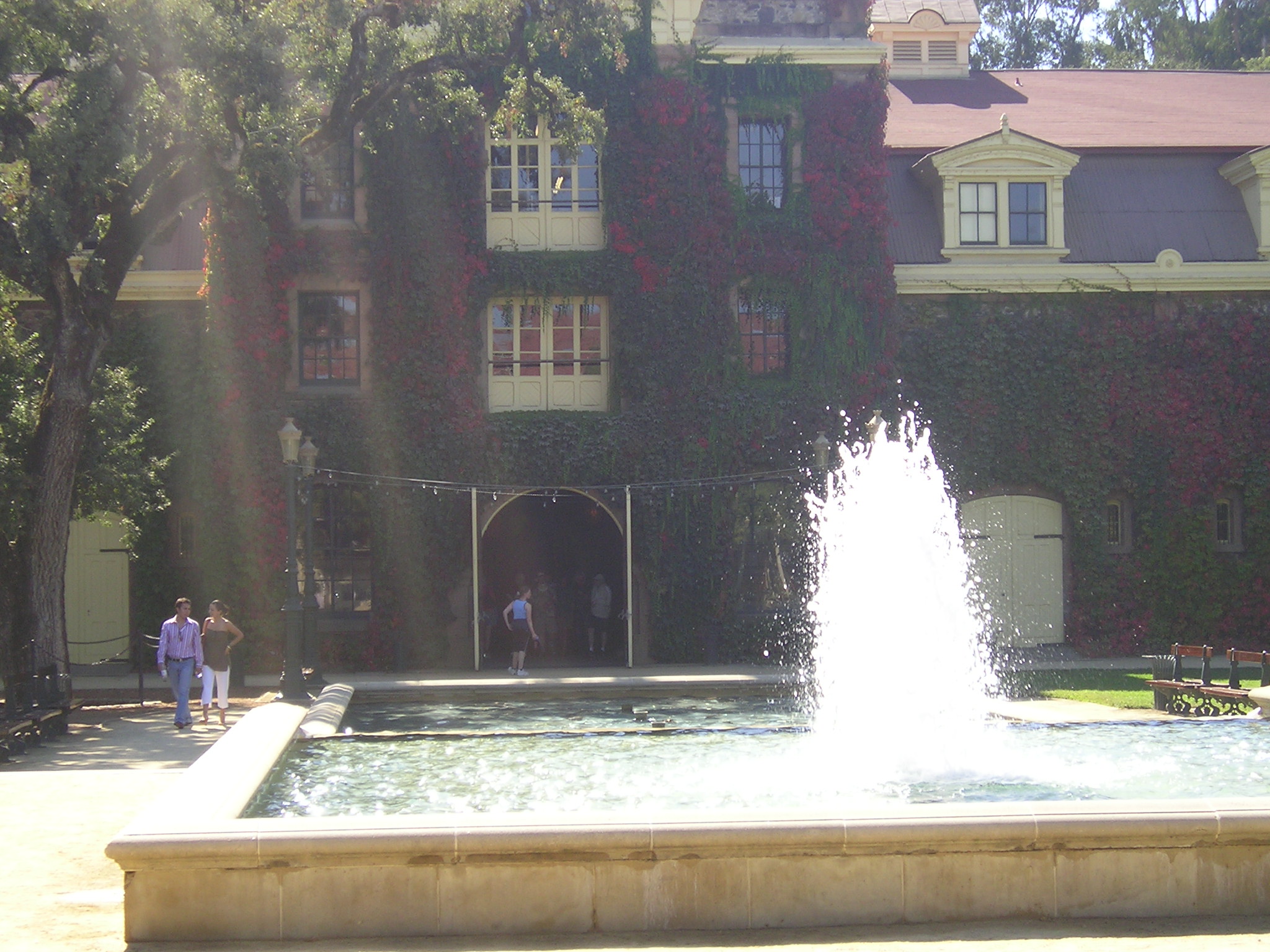
Chateau St Jean in Sonoma


Francis Coppola in Napa
Del Dotto in Napa
Benzinger in Sonoma
Domain Chandon


Silverado in Napa


Vianasa Vineyard in Sonoma
Goldeneye in Sonoma
Mondavi in Napa


LONG ISLAND

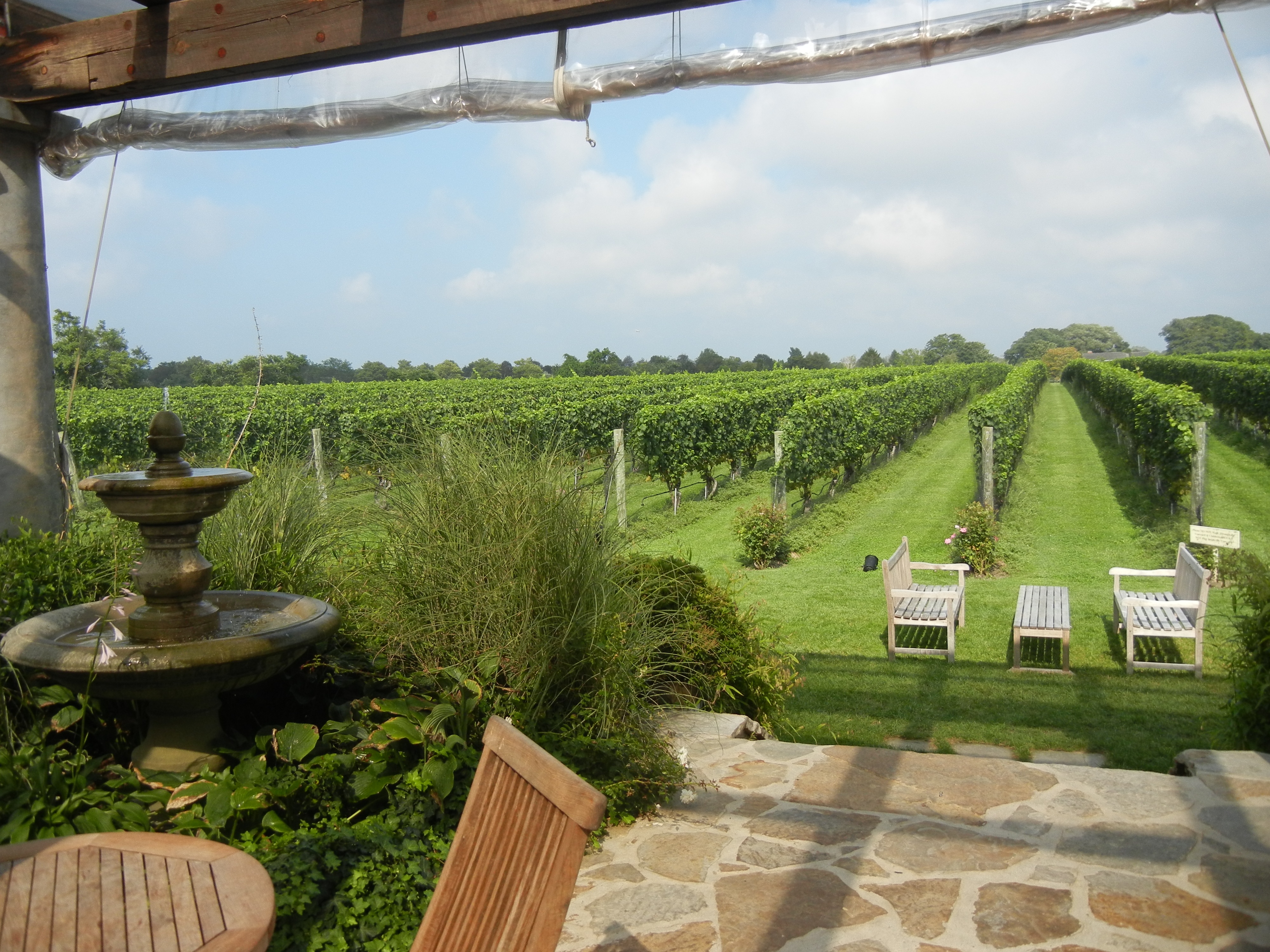
Wolffer Estate – South Fork
Wolffer Esate South Fork
Channing Daughters South Fork
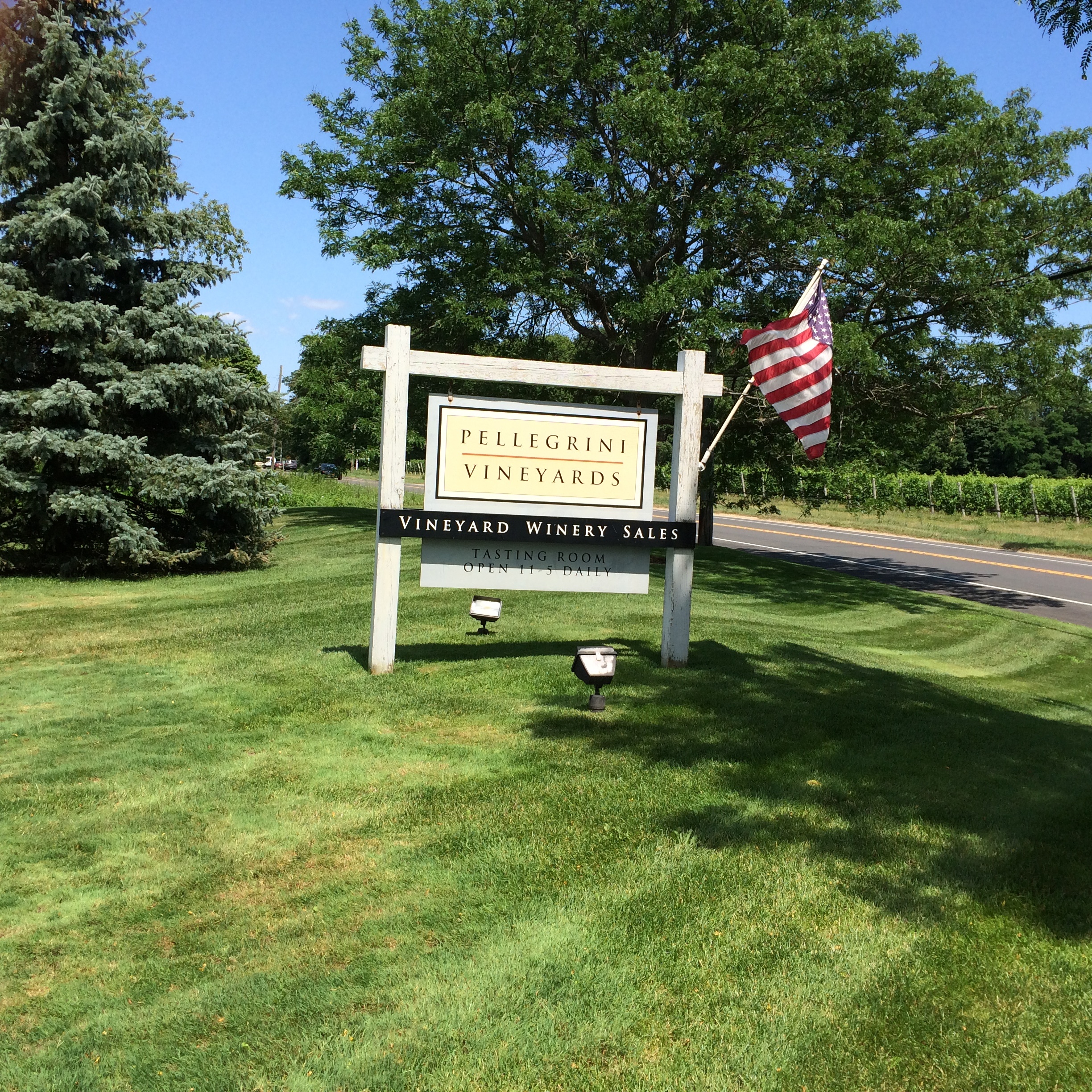
Pellegrini Vineyard North Fork
Palmer Vineyard North Fork
Raphael Vineyard North Fork


Bedell Vineyard North Fork
Macari Vineyard North Fork


Bordeaux Blend

                         Bordeaux Blend Red Wine


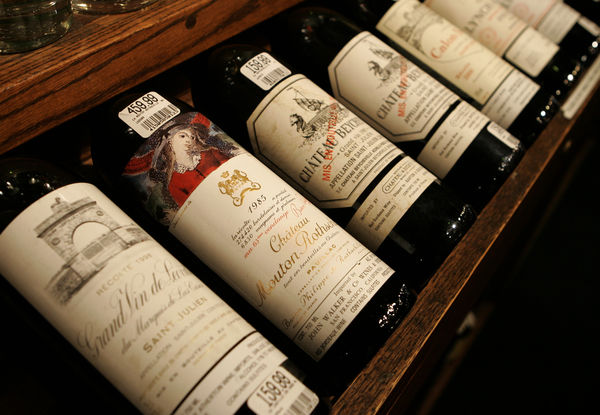
Bordeaux Blend, at its most basic, is any combination of those grape varieties typically used to make the red wines of Bordeaux. The phrase, which seems to have originated with British wine merchants in the 19th Century, relates as much to wines made from the blend as to the grape variety combination itself (© Copyright material, Wine-Searcher.com). Far from being an officially defined or legal term, it is almost never used for wine-labeling purposes (although it occasionally appears on back labels). Its equivalent in the United States is Meritage, which is not only legally defined, but also a registered trademark.

Cabernet Sauvignon  is probably the most famous red wine grape variety on Earth.  This grape produces wines  always seem to demonstrate a handful of common character traits: deep color, good tannin structure, moderate acidity and aromas of blackcurrant, tomato leaf, dark spices and cedarwood.   Until you start tasting this grape, you may not pick up on all of these traits.   But after drinking Cabernet Sauvignon, as a Bordeaux, as a USA Meritage, or as straight Cabernet from many different countries, you do start to notice these qualities.  The Cabernet Sauvignon  vines are highly adaptable to different soil types and climates and are grown at almost all soil conditions and environment. Wines made from this grape are known for their lasting qualities.   Some of the finer French Bordeaux and California Cabernet Sauvignon can last over 75 years.


Cabernet Franc  is a black-skinned French wine grape variety grown in most wine producing nations.  As a varietal wine, Cabernet Franc is light to medium bodied and often shows vegetal characteristics, in particular green bell peppers.   I’ve always found wines made exclusively from this grape to be fragrant and floral with a soft taste of fresh earth.  This grape  prefers cooler climates that are generally found in the French Bordeaux region.   A good portion of these vines are planted in the Loire valley in France.  You generally do not find many 100% Cabernet Franc wines, since they are generally used for blending.  The one exception is on the North Fork of Long Island, NY.   There you will find some of the better Cabernet Francs..


Merlot  Merlot is a red wine grape variety with strong historic ties to Bordeaux and the southwest of France. It is the predominant variety in most wines from Saint-Émilion and Pomerol, the area in which the variety originated.  The Merlot grape is fast growing and matures quicker than the other classic French Bordeaux grapes.   You can describe Merlot  as having a lot of fruit friendly flavors, plum and black cherry dominant.   Its also described as a very easy drinking wine.  They are generally less in tannin because the grape is so large, there is not much pips or thickness of skin, where the tannin comes from.


Petite Verdot  is a red wine grape whose small, thick-skinned berries are valued for their depth of color. Traditionally the variety  has played a small role in the classic blends of Bordeaux, but varietal Petit Verdot wines are now appearing in many regions of southern Europe, the Americas and Australia.


Malbec  is a black-skinned grape variety native to southwestern France (specifically the area around Cahors), but now better known as the iconic wine grape of Argentina.  Malbec typically ripens midway through the growing season and produces small, intensely colored grapes.   French Malbec tends to be more meaty, rustic and tannic, while examples from Argentina seem to be uniformly rich, ripe, jammy and juicy.    I have always appreciated a Malbec wine from Argentina.   The grape can  grow at so many different latitudes,  so that these wines from  Mendonza can range from average to outstanding.


Carmenere   is a dark-skinned grape variety originally from the vineyards of Bordeaux, and which has found a particularly suitable home in Chile. A late-ripening variety,  Carmenere needs high levels of sunshine and a warm summer to reach its full potential, but in the right environment it can produce fine, deeply colored red wines, with the attractive meaty plumpness of Merlot and the gently herbaceous, cedary notes of Cabernet Sauvignon.