Boating!

                                                                ANYWHERE in the WATER in my BOAT


I have always found water to be such a peaceful place to be around.   I grew up on Long Island and from the time I was about 4 years old, my family would always  go to Long Beach.   Thats where I first started to learn to swim.
Later on, my family and relatives would  drive out to Stony Brook, Long Island for a day of fun, fishing , clamming, and eating.  That was in the late 1950’s early 1960’s   At  that time, Stony Brook was nothing more than potato and duck farms.   We would wait until low tide, put an old car tire inner tub in a wooden basket  and start clamming.  This would go on for hours.  At times, we would collect over 20 dozen clams.   

As I got older, my friends and I would drive out to Stony Brook and repeat the same daily event, except as college students, you know there was a lot of beer.   That started my love affair with clams.

During the ’70s, and 80’s on most sunny days during the summer, we would be at one of beaches at Jones Beach, or venture further out to Robert Mosses state park.   Then on the special occasions, we would head out to the Hampton beaches and Montauk.    I was totally in love with the beaches on Long Island and the Atlantic Ocean.  Still to this day, I believe the Long Island beaches on the South Shore are some of the nicest anywhere.   Clean, white sand, no big buildings, condos, etc anywhere near the bench.   Sand dunes, boardwalks and of course the Jones Beach Theatre.

We moved to Connecticut in 1974.  We were  right next to Candlewood Lake, which is the largest man made lake in the state and most of the North east.   It was water, which I loved, but it wasnt salt water! , so I had to compromise.

It was on this lake, that we brought our first Pontoon boat, A Fisher.   A pontoon boat is basically a living room on the water.  We had so much room, seating and it was just so much fun.  Eventually, we traded in that boat and we purchased the boat we still have today.

A Sweetwater.  Brand new, with a lot of extras, radio, CD player, lights and more 


We boat from April until late October.  Taking advantage of almost every nice day.  Most of the time, it was just my wife and myself.  Sometimes cruising the lake, other times just floating around.  But there were times when we had parties with 8 to 10 people.  Many times there were other friends who had boats and we would all go out together.

The views on Candlewood Lake were really nice, even nicer when seen from a boat. 


But I think the two best times for being in the boat and taking it all the
scenery is at

     night


or during the                                             fall season   

We’ve been in CT since 1975 and I can count the times on two hands the amount of times I have actually gone into the water!    I just am not a big fan of fresh water, and I still love the smell and feel of salt water.

But since, fresh is all there is at the time, I learned to make the most of it.

  Water and Wine – Two very important parts of my life


                                                                                     Candlewood Lake


On July 15, 1926, Connecticut Light & Power Company’s board of directors approved a plan to build a man-made reservoir in order to produce electric power.  What would become Candlewood Lake was the first large-scale project in the United States to employ the concept of a pumped-water storage facility; basically, water from the Housatonic River was pumped up a 13-foot-diameter pipe and then held in a large reservoir.


In all, there were 35 families who owned property in the  area to be flooded and to which Connecticut Light & Power held the right of eminent domain, under which private property can be taken for public use. Most of these families sold their property to the company but a few refused and some of the lake bed property is still privately owned.  Approximately 100 buildings, including schools, houses, barns and churches were demolished or moved. Even gravestones were moved, as were remains that workers were paid $1 to exhume for reburial.
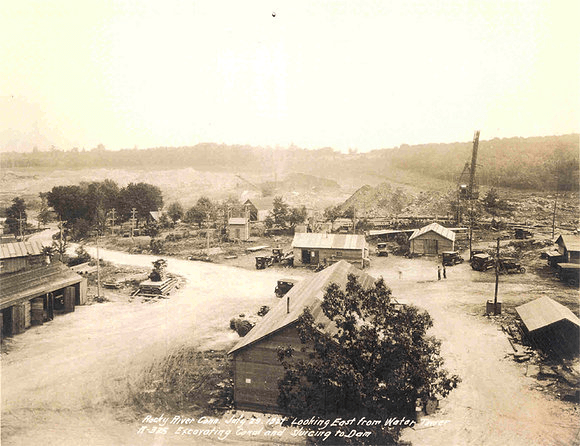
On February 25, 1928, water was first pumped into the valley and by September 29, 1928, the lake was officially complete at 429 feet above sea level. Candlewood Lake is 16 miles long, 3.2 miles wide with an average depth of 40 feet, and covers a surface area of 8.4 square miles or 5,400 acres.

Although it was almost called Lake Danbury, the new body of water ultimately got its name from New Milford’s Candlewood Mountain – which was named after the Candlewood tree, whose sapling branches were sometimes used as candles by early settlers.
 

Pumpkin Time!

            ITS PUMPKIN BEER TIME  


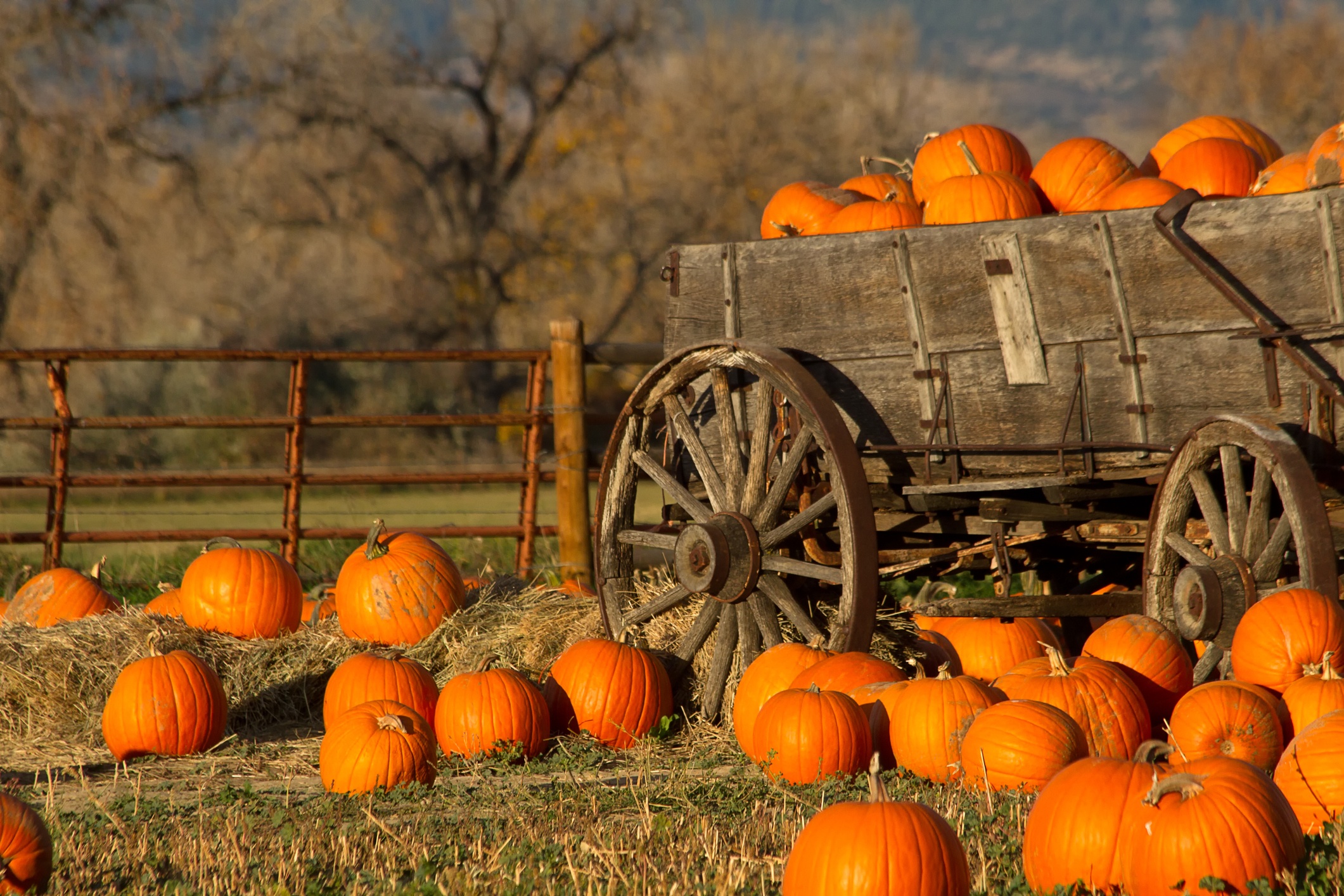
I always get real excited in September, because I know that in a couple of weeks, or even know, many of the pumpkin beers are hitting the market.  I’ve tried so many different brands, but the following set are the ones that I have enjoyed the most over the years.

I’ve noticed that I am more critical in my rating of Pumpkin beers than I am with many other beers.   I think its because I am looking for that almost perfect blend of Pumpkin, Spice, Malt and Alcohol


                                                                                   Pumpkin Beers/Ales

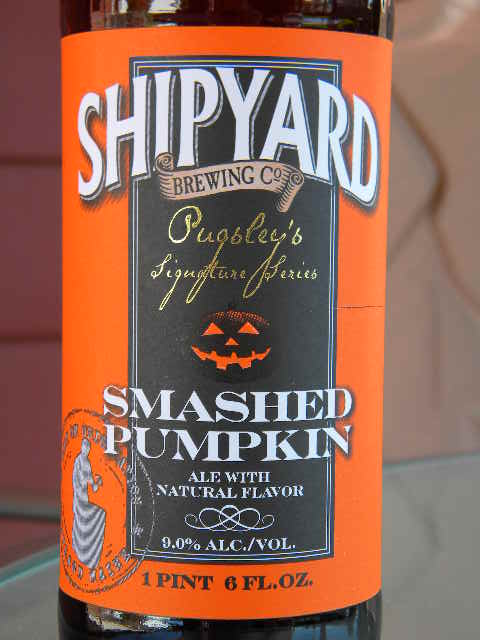
 Pugsley Smashed Pumpkin
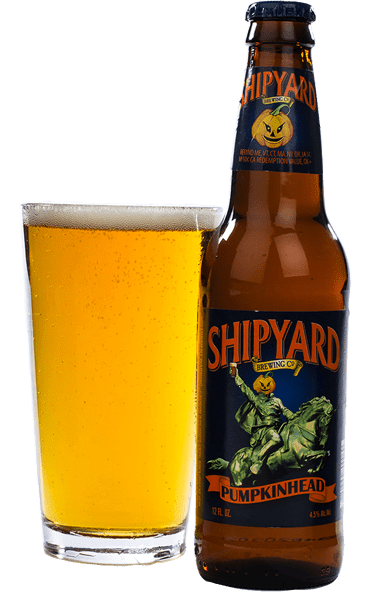
Shipyard Pumpkin
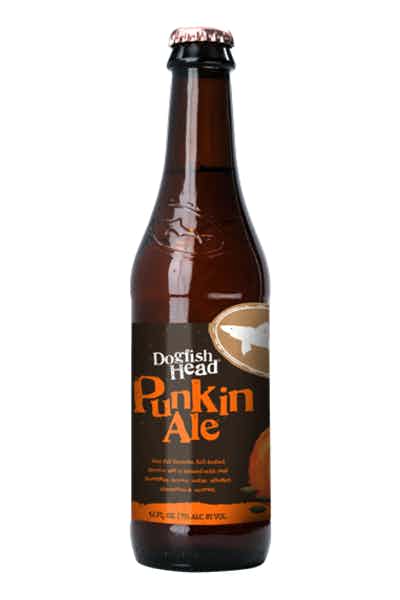
Dogfishhead Punkin  
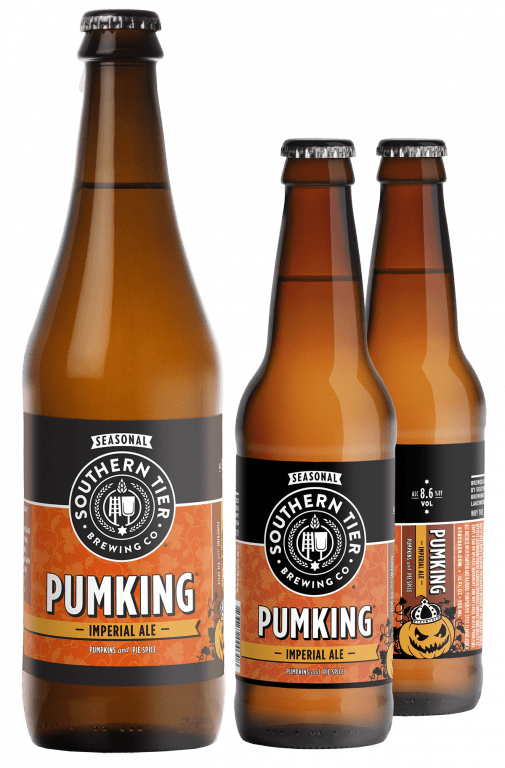
Southern Tier Pumpkin Imperial Ale
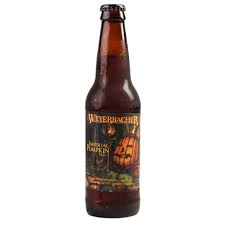
Weyerbacher Imperial Pumpkin Ale
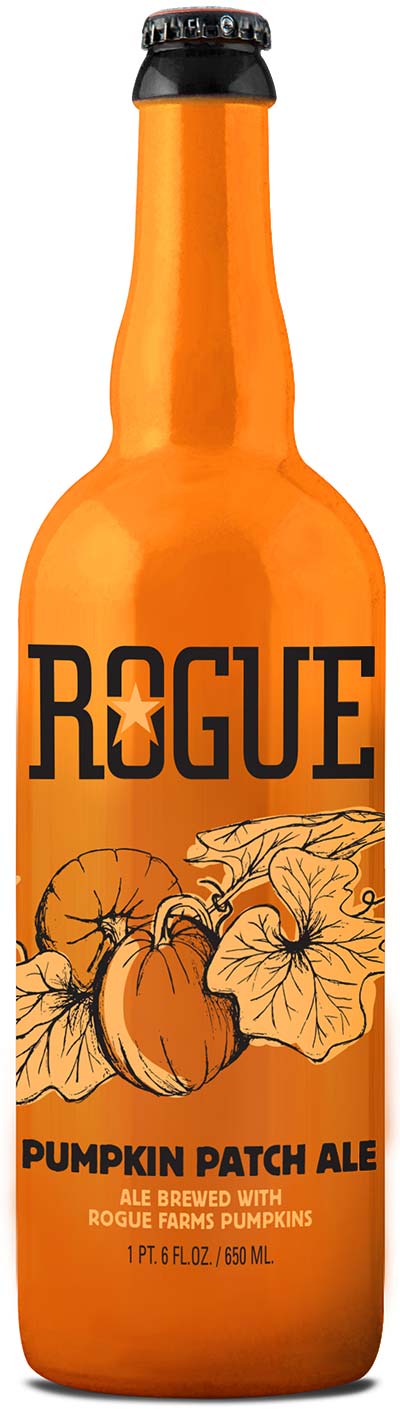
Rogue Pumpkin Patch


Pugsley Smashed Pumpkin 

(BA: 4.47) I always get excited this time of year when the Pumpkin beers arrive. Two years ago, I loved Shipyard Pumpkins, however last year I thought it was a bit too light and not enough pumpkin and spice flavor.  Now THIS YEAR! The pour was fine, nothing to get excited about. But the moment I put the glass up to my nose, the excitement began! The pumpkin and spices almost jumped out of the glass right into my nose.
That first taste. If I had closed my eyes, I would think someone had just cut a fresh piece of pumpkin pie and put it in my mouth. This year, this Smashed Pumpkin had it all. Bouquet and Aroma
Pumpkin and Spices Right amount of Malt and gentle but present hops
This beer was totally balanced. The first sip was a total joy, with all the right flavors exploding all over my tongue and mouth. Then the end was just as good as the start. And to me, that means balance and it means GOOD to me

Every year I have the first couple of these,  I always have it with Pumpkin Pie and Whipped Cream!!


Shipyard Pumpkin  

(BA: 4.0) Wow, two years ago, I loved the Shipyard Pumpkin , then last year, it was down on my list of any pumpkin ale. This year, its back up on top.
I was a bit shocked when I looked at some of the reviews regarding this beer. Well, everyone has their own tastes and likes.  When I poured this one, the first thing I detected was a good amount of pumpkin, cinnamon and nutmeg along with some other fall spices. Nothing hit you right in the face, but all of it was there just waiting for you to taste it and enjoy it.  There was a good amount of carbonation, which I do like in a pumpkin ale.  So far, this year, with all the pumpkin ales I’ve tasted this one ranks at the top (Though their SMASHED PUMPKIN is above everything). I think the best thing to notice is that each year, the various brewery that put out Pumpkin ales, change the style that they make. What was at the top of my favorites this year, dropped down and what was at the bottom came up. You know what! Who really cares! Its all about the enjoyment of a beverage that someone has taken the time to make it their best


Dogfishhead Punkin  


Still one of my favorites.
(BA:  4.25)  Another nice one fro Dogfish Head!
I always love the beginning of the fall when the Pumpkin beers start to come out. Each you I never know what to expect from each brewery.
One year they may have lots of pumpkin and spices and the next year hardly anything.
This one was just perfect. The nose and aroma after opening the bottle gave you a pleasant pumpkin feel. You could almost taste the spices that were in the air. The pour was not exceptional, but once you had the glass to your nose, you knew it was going to be good. The taste was big, smooth, full, just a perfect blend of pumpkin, spices, malt, and hops. Nothing overpowered . The finish was just as nice as the start. Loved it.


Southern Tier Pumpkin Imperial Ale


The first time I tried this one, I found it to be a little thin on the pumpkin, but higher on the alcohol flavor.  But it did grow on me after a while

(BA: 3.5)


Weyerbacher Imperial Pumpkin Ale

(BA: 3.18)  Always looking forward to the Pumpkin Beers.  Did not pour this one , just drank from the bottle. So the nose was somewhat diminished. But still, there was no question about the amount of pumpkin spices in here. The taste followed the nose completely… Lots of fall spices, perhaps more than I like. This is what I have seen so far with most of the other pumpkin beers. This one did have the body to go along with the spices. It was not that carbonated and I was able to enjoy some real pumpkin.


Rogue Pumpkin Patch

(BA: 3.2This has not be the year of the pumpkin, at least for me. This Rogue

Pumpkin did have more of the real pumpkin flavor that I enjoyed so much in different pumpkins last year.  There wasn’t much of any nose on this one, sure, the typical pumpkin spices, but nothing alarming. Now, onto my tasting:
Initial Sip, I was hit with the cinnamon, clove, allspice and all the other pumpkin spices. Perhaps a bit too much. Then slowly the pumpkin started to come out. It was richer than some of the other pumpkins I’ve tried this year.
Now on the back end, I felt there was too much carbonation in this ale.
I would have enjoyed this one much better, if the spices were tamed a bit and take a notch or two out of the carbonation


The Customer

THE WINE CUSTOMER

Spending all these years with wine, either in a Retail, Wholesale or Private environment, I have picked up so many different scenarios regarding people and wine!

I think at the beginning, I will have to talk about the retail environment.  Here is when people come in looking at the inventory and when I asked if they need help.   One of their responses is I Dont like wine!   To me, in the retail business, that was a challenge.  I have always believed that there is a wine for everyone, and that everyone can find a wine that they will like

When I work with customers like this, I start to conduct a simple informal interview.  I asked them what beverages they like, what they normally drink, what do they have with meals, etc.   They I asked them about their experiences with wine.   What wines they have had and what was it about them that they didnt like.    I would say that over 70% of the customers I have dealt with regarding this, the wine they had was always Red and very dry!   To me, that can turn off anyone who really hasnt tasted wine.    I talked to them about the different styles of wines.   Do they like some fruity?  a bit on the sweet side?,  Red or white or rose?   Questions like this.     Then, I can narrow it down to a handful of wines that I think that they may like.

At times, I would open a bottle of wine that I think they may like for them to taste.  With some customers, I would even buy a bottle for them, to bring home to try.   None of these wines would be over $9.99.   I wanted to keep it as simple as possible.  

For those that liked sweet, I would start with some  White Zinfandel.   Personally, I think that is just sugar water, but for many its so delightful.  For those that like whites, I would go with a Chenin Blanc or Riesling, because I know there is enough grapy sweetness and low acidity that many will find easy to drink.   The reds are always the toughest.  15 years ago, I would have had  a much tougher time selecting one.   But in the past 10 or so years, many winemakers are making blends.  These are almost always so easy to drink and are priced under $10.

So, now the customer has either tasted the wine in the store, or has tasted it at home.  I wait until they come back again to find out their opinions.   Again, based on their feedback, and they didnt like it, I would go searching for another wine,  or if they did like it, I would find another one similar in style for them to taste.   This was a lot of fun for me, working with all the customers, plus it gave me the opportunity to earn their respect and confidence.   So, the next time, it would be much easier for me to recommend almost any wine..


Something that I have always found so interesting.   Those folks that only loved sweet wines.  They would drink it for years, you cold not get them to change the style.  But after a while, they started to gravitated away from those really sweet wines, onto something not as sweet.  Then after another period of time, could be a year or more, I found those same customers looking for drier wines!   To me, it was almost inevitable, that the progression of wine drinking for those folks that said they dont like wine is from

Sweet  ->  Semi-Sweet -> Dry

Pasta Fagioll

 Italian  ( Pasta e fagioli )   vs    American ( pasta fazool )

No matter how you pronounce it, it’s basically White Beans (Cannellini or Navy)

Dried Method  

1 Bag of Dried Navy Beans
4 cloves of garlic
¼ cup Olive Oil
¼ cup Fresh Parsley
Salt and Pepper
Cook for about 20 minutes (in pressure cooker)
Remove the garlic

Canned Method  

4 cans of Navy or Cannellini beans (3 rinsed/drained, 1 undrained)
4 cloves of garlic
¼ cup Olive Oil
1 celery stalk cut into 1inch sections
Crushed red pepper
1 can chicken broth
Fresh parsley to taste
Salt and Pepper

Sautee the garlic in olive oil along with the celery.   Add the canned beans, cook for about 5 minutes.  Then add the chicken broth, salt, pepper, parsley, hot pepper.  Cook under low heat for about 45 minutes.  Remove Garlic and Celery

Pasta

Shells, Pepitte, and other short pastas always cooked al dente. 

Put it together

After the beans are cooked, cook the pasta till your taste.  Drain and add to the cooked beans

Wine    

Serve with a Barbera d’Alba  or a Valpolicella Ripasso  


Sangria

SANGRIA !  A Fun wine to party with!

Back in the early 1970’s,  Yago Sangria   hit the market with a big splash!   This wine was different, full of fruit flavor, sweet and had such a colorful label, people rushed out to buy it.    I remember it was difficult just keeping enough of it in stock!

Sangria had its roots in Spain.  But In 1964, at the Worlds Fair, the Spanish world area started serving this fruity punch like wine to its visitors and history was made!

Since that time, sangrias have gained popularity as a fun outdoor party wine.
There are so many different recipes for sangrias, it seems like almost every other person you meet has a slight twist on the ingredients.    There are two basic formal styles of sangria.   The original, traditional Spanish style and the newer Mexican style.  The biggest difference is that the Mexican version is generally higher in alcohol content.   That is because brandy or other liquors are added to the wine mix.

Mexican Sangria Recipe:   

INGREDIENTS:

2 bottles of red wine (recommended: Rioja)
2 cups brandy
1 cup fresh orange juice
1 orange, sliced
1 lemon, sliced
1 lime, sliced
1 apple, cored, and cut into thin wedges
1 pear, cored, and cut into thin wedges
1 (750-ml) bottle club soda, chilled
Brown sugar or granulated sugar (for glass rims)

DIRECTIONS:

Combine the wine, brandy, juice, and fruit in a large container or glass pitcher. Cover and chill completely, 1 to 2 hours or overnight. Add soda to mixture when ready to serve. Using a little lime juice wet the rim of the glass and then coat it with brown or granulated sugar.  Serve with ice. (Note:  I always remove the fruit after 12 hours in the wine, I found if it stayed longer, there would be too much of an acid flavor to the sangria)

The nice thing about making sangria, is that there really isnt any firm rules.   There are so many recopies for Red sangria,  Rose sangria, and one of my favorites, White sangria.    Here you start with a crisp light white wine, such as a Vino Verde or Sauvignon Blanc.  I’ve always used Prosecco instead of the still wine!.   I will add summer fruits, grapes, canteloupe, peaches, apricots, etc


What ever style of sangria you like,  Red, Rose, or White,   Dry or Sweet,  Mild or High in alcohol,    its always a fun wine to have.   Just knowing the ingredients and  what the wine taste likes,  makes you feel like being in an outdoor festival.


Next time you go to a barbecue, think about making some sangria to bring to share with all the company.  I am sure it will be a big hit!

Wine Types

ALL TYPES OF WINE

There are several different types and styles of wines   Almost every country in the world makes some type of wine.  Wine is such a generic term, so lets try to break it down into some major understood categories.

Table Wine  The purge definition is wine of moderate quality considered suitable for drinking with a meal.  By definition, table wine are wines that are between 8% and 15% alcohol. This makes  up the majority of wines that almost everyone has had and tasted.   Its your Cabernet Sauvginon, Merlot,  Chardonnay,  Sauvginon Blanc, Rose and much more.   In the United States it can mean just about any wine that is not sparkling, not fortified and is generally inexpensive and easy drinking.  Not so in Europe.  They have many different classifications of wines, many that include Table Wine  Vin de Table ,
Vin de Pays , Vin de France and vino da tavola. 

As I mentioned above, table wines in USA generally are the inexpensive wines, ranging from $5 to $10 a bottle.  So, they are affordable to almost everyone who wants to try wines.   They can be nice wholesome wines, but I would never classify them as distinct or having a lot of characteristics.  However,  this is the wine class that so many Americans can first start to drink wine.   Overall, these simple table wines are easy to drink.  They lack those intense characteristics of Oak, Smoke, Cassis, Tannin and more.   In the past 5 years or so, many American winemakers have started to make blends.  These wines are probably the easiest to drink and do demonstrate the tastes of various types of grapes.

In Europe, its a different story.  Table wine, or what they call it can be on the pricy side.  Paying up to $50 a bottle from wines from Burgundy is not unheard of.  In Italian, the Sassicaia or Tenuta  San Guido have grapes that are generally not the typical Italian grape and are classified as DOC, since there was no classification of grapes  like Cabernet Sauvignon in Italy so they were called
vino da tavola , selling for about $170 a bottle

Champagne  Is a sparkling wine made only from the region of Champagne in France.  It is legally accepted that only sparkling wines made from the grapes grown in the Champagne region call be labeled Champagne.   The laws are very strict , including the making process which calls for a secondary fermentation (after the initial fermentation) which creates the carbonation.   Many different grapes can be used for making Champagne, but the most popular are Pinot Noir, Pinot Meunier, and Chardonnay.    These champagnes are aged in dark cool caves in racks called the riddle and the person that turns these weekly is called the riddler

The French process for making Champagne is called
méthode Champenoise.   Contrary to what many people
believe,  Dom Perignon did not invent champagne.  He was however responsible for many advances in French Champagne, included the special bottle.  You will probably notice that Champagne bottles are heavier than most wine bottles.   Also, on the bottom, there is a larger than normal indent.  This is called the Punt.   The primary function of this punt is to evenly distribute the pressure of the carbonation in the wine.   Some wine makers question this theory, but it is something you will find on all champagne bottles.

Sparkling Wine  Sparkling wine can be made the exact same way the classic French wines are made.   But since they are not made from grapes grown and the wine produced in the Champagne region of France, they can be called only Sparkling Wine.   This does not mean that they are inferior.  There are many Sparkling Wines that I have tasted that I will compare to many great French Champagnes.   Each country has a name for their version of Sparkling Wines

Germany   –  Sekt
Italy             –  Prosecco
Spain          –   Cava
Portugal   –   Espumante.

Fortified Wine  is a wine to which a distilled spirit, usually brandy, is added   The purpose is to stop the fermentation process , kill the yeast and leave behind residual sugars.   Most fortified wines contain between 16% and 20% alcohol.   Class fortified wines are  

Port
Sherry
Maderia
Marsala


Non-Grape Wines  Wines can be made from various types of fruits.  Fruits that can be made into wine range from the familiar (blackberries and pineapples)   One of the most widely produced non-grape fruit wines is cider, or “apple wine,” which is made from fermented apples.   They still go through a fermentation process using Yeast which turns the natural sugars into alcohol.   I have not had a lot of experience with fruit wines.   The ones I have tasted are from the Silo Winery in Sherman CT    They make wines from raspberry, blueberry,  and others.   I am not a fan of the taste of these wines, but they make an excellent source of a wine reduction for cooking!


***  THE 100-YEAR-OLD LOOPHOLE THAT MAKES CALIFORNIA CHAMPAGNE LEGAL  You might have seen the word Champagne used on Korbel Sparkling Wines.   The loophole, is that IF the sparkling wines were originated before 2006, they were allowed to continue to use the term Champagne on the labels.  Sparkling wines originated after 2006, must stick with the Sparkling Wine name.


Terroir


Terroir Definition. Terroir is how a particular region’s climate, soils and aspect (terrain) affect the taste of wine.

Wine is a living object.   From the time, the first roots where planted in the soil, till the grapes started to bloom and eventually be harvested, to the wine making process, bottling and then eventually in your glass.   All this time, the wine is living.  It cant speak, but it can talk to you while you use your many senses.

Lets first start with where the roots are planted.   Our first assumption, is that the overall climate is conducive to growing of grapes.  That is the weather and climate will allow the grapes to grow and finally ripen.   So, then all grapes and wines will be equal?   No!

The word Terroir  It combines, the soil, the slope, the sun, the climate, the winds and almost everything that comes natural within a given region.   Some grapes do much better o steep slopes, while some want the hot sun during the day, but a cooling breeze for the water at night.   Each vineyard owner, needs to analyze their overall terroir to help them determine what will be the best grape to grow to produce the best wine.

The study and effects of terroir on wine has become a major science in itself.  Analyzing the macroclimate of the area is key to determining a final product and what modifications the wine maker may need to use.

In the Bordeaux region in France, many of the First growth wines, have additional vine plantings around the main Chateau.   They reserve the prime areas for those special 1st growth wines, but then plant additional grapes in the surrounding areas.   They then produce wines, under a different label and name.   But you could have some of the best vines/grapes making the best wines growing on a southern exposed mild slope, and only less than 1/4 mile away, grapes growing on a southwest exposure and step slop produces average wines.

Nature plays such a key role in making the best wines.    So much is out of anyone’s control, but the vineyard owners, do a lot of research and spend money on making sure where they plant is going to potentially result in the best wines.

But its not all about nature, human intervention has to come into play.    The wine the vines are trained plays a key role in the development of the grapes.

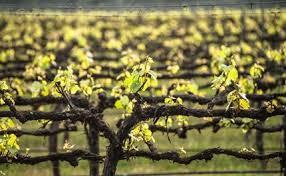
Some vines are made to grow upright, this allowing more  sun to reach each grape.   You will find these types of vines in areas that generally do not have long growing seasons.   I have seen so much of these styles of vines on Long Island and most of Connecticut.


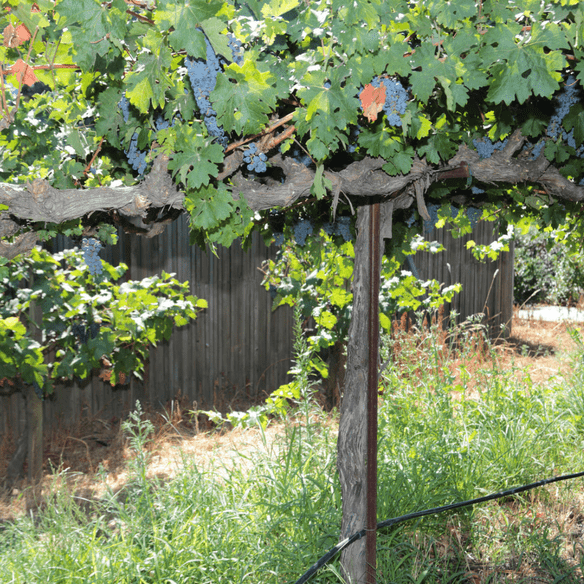
Then there are vines that grow more horizontal.  This provides an equal amount of sun, rain, wind to reach each grape  as they are growing.   This method is also somewhat easier when it comes time for harvesting, either, by hand or mechanical.  Here is a photo of typical Zinfandel vines in California  


This is all called the  This is a trellising system, and it’s a tool used in many vine training systems worldwide.  Grape vines, unlike trees can not support themselves.   Therefore, they need some aid.   How the vine is trellised (see above) adds these factors to the eventual product

• vine balance
• amount of shade or sun on grapes
• ease of hand and mechancial harvest
• ease of hand and mechanical pruning
• amount of heat fruit gets from the ground
• likelihood of frost damage
• effect of wind

As I mentioned, the final product is not all about the natural terroir, but human intervention plays a key role.   These include decisions about pruning, irrigation and selecting the time of harvest   At the winery, the use of oak, cultured or ambient yeast, length of maceration and time in contact with lees, temperature during fermentation.

In France, particularly Burgundy, there is the belief that the role of a winemaker is to bring out the expression of a wine’s terroir. The French word for winemaker, vigneron, is more aptly translated as wine-grower rather than winemaker. 


Breathing

Why do we want  our wines to breath?

In the simplest of terms, Wine that has had a brief exposure to airis positive since it allows wine to breathe similar to stretching its legs after being cooped up in the bottle for so many years. This exposure has a positive effect on the wine after 25 to 30 minutes. Intensely tannic or younger reds may need up to a few hours.

What is it? Its simply allowing the wine to come into contact with the air.   This oxidation transfer can always be a two edged sword.   Too little, you have a harsh wine, too much, and the wine may be spoiled.

Which wines?  I have always found this to be true with red wines.   Almost any red wine will benefit from some time breathing.   Sometimes, it can be as little as 30 minutes, and with some Italian wines, I have let it breathe for over 3 hours!  The major reason behind allowing wines to breathe is to attempt to tame those wild tannins.

Tannin is a textural element that makes wine taste dry. Tannin is a naturally occurring polyphenol found in plants, seeds, bark, wood, leaves, and fruit skins. … As a characteristic of winetannin adds both bitterness and astringency, as well as complexity.

Some wines have what I call wild tannins.  They are harsh, bold and very noticeable.  Its what gives you that bitterness and puckering feeling as you sip on the wine.   Allowing air to come in contact with the wine, allows these tannins to mellow out.   I like to describe this process as taking a wild young brat and turning it around to be a gentle aging grandparent.

There are many different ways to accomplish this breathing.   I have always preferred the old fashion natural way.   That is, just withdrawing the cork and letting the wine stand!

Today, in restaurants, and many home tastings, people tend to get impatient.
So there are a number of different ways to speed up this breathing process.


Carafe  

With this method, the most air can be exposed to the wine as quickly as possible.  This can reduce the amount of time you normally need to let a wine breathe by almost 50%.  There are so many different styles and types of carafes, but they all serve the same purpose.

Decanting is a process similar to pouring wine into a decanter, except, the purpose is to clarify or remove sediment or particles from a bottle of wine.  This could have happened from a cork breaking into the bottle of wine, or from an old wine that has a lot of sediment.  The sediment is not bad for you, but its appearance may turn a few people off.  There is an art to decanting.  You generally tilt the carafe vessel and slowly pour the wine.  Always looking for any particles or sediment.  Some people, use a candle behind the bottle neck, to spot particles easier.   Even some people, take the lazy way out and use a cheese cloth to strain out any particles or sediment.  That works, but boy, is it so  much of an un-wine thing to do!


Aerators   Once again, the main purpose is to allow as much oxygen into the wine.  Using any one of the many different aerators accomplishes this.   I have found that using this method, the wine that is poured into the glass feels like it has been breathing for at least an hour.   So, this is a quick easy method to get those tannins tamed!


During one of my wine tastings, I ran an experiment.  I had a very young Italian  Montepulciano d’Abruzzo.   A very harsh tannin wine to start with.

First, I poured a little into  a glass and let everyone taste it and had them provide me with their responses.   Most of them felt the wine was too difficult to drink.

Second, I poured some of the wine through an aerator.  The people were quite amazed that the same wine tasted so much better and it was only minutes after opening the bottle.

Third, I poured some of the same wine into a carafe and let them taste it 30 minutes later.  All of the people noticed the difference and began to enjoy the wine.

Still, being an old fashion wine buff from the 1960s and 1970’s, the only method I really use is

pulling the cork and letting the wine breathe naturally.