Tea (Wine?)

How Tea is similar to Wine

All tea is made from the same plant. Yes, you read right, all tea, whether it’s blackoolong,  green,  white, or pu-erh, comes from the Camellia sinensis plant in the same way that all wine comes from the grape, albeit different varietals.

All teas start the same.  Its in the process, just as in wine fermentation that makes the difference and molds the final product.

Teas can generally be divided into categories based on how they are processed.There are at least six different types of tea: white, yellow, green, oolong (or wulong), black (called red tea in China), and post-fermented tea.

The Camella Sinensis plant comes in two basic varietals

The Chinese variety, Camellia sinensis sinensis, has a small leaf and is more tolerant of cold weather.


Camellia Assamica, is native to the Assam region in India.  It thrives in tropical areas and low elevation.  The leaves are much larger than the Chinese variety.  The tea plants grown in the Darjeeling region of India are the Chinese variety because of the high elevation and cooler temperatures.


The four basic styles of tea are White, Green, Oolong, and Black 
Tea is harvested after each flush – the sprouting of the top two leaves and bud. The top two leaves and bud are hand plucked and then processed into any of the four types of tea.

White Tea is essentially unprocessed tea. …
Green Tea is plucked, withered and rolled. …
Oolong Tea is one of the most time-consuming teas to create. …
Black Tea also utilizes all five basic steps, but is allowed to oxidize more completely

But Like Wine?   

Many VarietiesJust like wine is not one thing, tea isn’t either. You may have tried a single wine and didn’t like it, but that doesn’t mean you’ll dislike all wine. The same goes for tea.

Importance of Terroir   characteristics of the soil  like minerality and salinity do impact how a grape will taste, along with things like the amount of sunshine and the altitude at which the grapes are grown. And for tea? The effect on the growing plant is so very similar, affecting the tea as it grows and also the taste of the final product.

Processing Method is Also Key  Processing tea leaves usually involves some form of heating and/or drying, to go from the leaf on a live plant to the dry version you see loose or inside a tea bag. There is also typically some type of rolling or crushing involved, depending on the shape – loose tea tends to be in larger pieces, while the tea you find inside of tea bags has usually been crushed fairly small. What exact steps are part of the processing method depend on which category of tea is being produced

It Will Taste Best Served/Brewed at the Correct Temperature  Not all teas are meant to be steeped at boiling temperatures, and each one will have an ideal brewing temperature ranging from 80 to 100 degrees Celsius or 170 to 212° Fahrenheit. Brewing tea at the correct temperature helps to avoid that bitter taste it can sometimes take on


Color the darker the color, typically the stronger the brew.


Importance of Smell  Not only does the aroma of tea  and wine give you some kind of indication of whether you’ll like what you’re about to drink, but it will also set a baseline of what flavors you can expect when you do.


Tasting Notes it’s nice when there is some specific fruit or aroma you can hunt for as you  sip , just like wine

Taste in Order from Mild to Bold  Tasting the teas in a particular order from mild to bold

Used for Cooking  Many ‘cooking with tea’ recipes involve using tea to infuse the dairy used to make desserts, like ice cream or panna cotta, but tea can also be used in stocks, marinades, or poaching liquids.


Can Be Paired with Different Dishes Some teas are more earthy while others are more floral or smoky, and can make your taste buds appreciate your bites of food that much more.

When it’s good, take some home with you!  When you get a chance to taste a lot of different varieties, whether of tea or wine, you’ll know which ones you’d like to purchase instead of just guessing at a tea store or wine shop.


Partial credit
https://www.travelsavvygal.com/how-this-wine-lover-got-into-tea-tasting-11-ways-tea-is-like-wine/


Movies

Movies about Wine

Over the past 50 years there have been a number of movies that were made that centered around Wine.   Here are some of the classics that I remember watching.
How many of these have you seen?    Looking back, I believe my favorite of all time was A Walk in the Clouds starring Keanu Reeves


Here is a sneak preview of each of these movies

This Earth is Mine  (1957)  Starring Rock Hudson, Jean Simmons and Claude Rains

In 1931, Elizabeth Rambeau comes from England to live in California with her aunt and uncle of a winemaking dynasty, who are still wealthy despite 12 years of Prohibition. Object: marriage to the heir of another vineyard, to further consolidate holdings in the Valley. But John Rambeau, Elizabeth’s illegitimate cousin, has other ideas about who she should marry, and sharply opposes patriarch Philippe’s refusal to sell wine grapes to bootleggers. John’s activities bring violence to the valley, and soap opera to the Rambeau family…


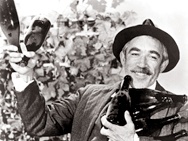
Secret of Sana Vittoria  (1969Starring Anthony Quinn,  Anna Magnani and Virna Lisa

The Secret of Santa Vittoria is a true story about a little Italian hilltop town that hide over 1,000,000 bottles of local wine from the Germans during the final days of World War II.


A Walk in the Clouds (1995)Starring Keanau Reeves, Aitana Sanchez-Gijon and Anthony Quinn 

When soldier Paul Sutton (Keanu Reeves) is on his way home after World War II, he realizes that he barely knows his young wife, Betty (Debra Messing). With the couple’s relationship strained and Paul haunted by memories of the war, he is happy to have a diversion in the form of beautiful traveler Victoria Aragon (Aitana Sánchez-Gijón). Circumstances force Paul to pose as Victoria’s new husband for her close-knit Mexican-American family, a situation that brings tension and unexpected results.


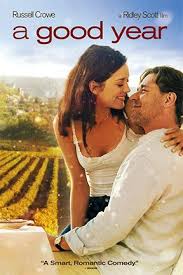
A Good Year (2006Starring Russel Crowe, Abbie Cornish and Albert Finney

After years of no contact with his Uncle Henry, London banker and bond trader Max Skinner learns that Henry has died intestate, so Max inherits a château and vineyard in Provence. Max spent part of his childhood there, learning maxims and how to win and lose, and honing his killer instinct (at chess, which serves him well in finance). Max goes to France intent on selling the property. He spends a few days there, getting the property ready to show. Memories, a beautiful woman, and a young American who says she’s Henry’s illegitimate daughter interrupt his plans. Did Max the boy know things that Max the man has forgotten?


SIdeways  (2004) Starring Paul Giamatti, Thomas Hadden Church and Virginia Madsen

How can we forget this one?  Pinot Noir Anyone?

Struggling writer and wine enthusiast Miles (Paul Giamatti) takes his engaged friend, Jack (Thomas Haden Church), on a trip to wine country for a last single-guy bonding experience. While Miles wants to relax and enjoy the wine, Jack is in search of a fling before his wedding. Soon Jack is sleeping with Stephanie (Sandra Oh), while her friend Maya (Virginia Madsen) connects with Miles. When Miles lets slip that Jack is getting married, both women are furious, sending the trip into disarray.


Bottleshock   (2008) Starring Chris Pine, Allan Rickman and Bill Pullman

History for the United States.   In the Paris Wine Tasting  of 1976, Califorinia Winery Chateau Montelena won first prize.  Wine maker  Jim Barrett shocked the world, especially the French with his top rated Chardonnay

Paris-based wine expert Steven Spurrier heads to California in search of cheap wine that he can use for a blind taste test in the French capital. Stumbling upon the Napa Valley, the stuck-up Englishman is shocked to discover a winery turning out top-notch chardonnay. Determined to make a name for himself, he sets about getting the booze back to Paris


And I can not leave out the most recent acclaimed movie

The Somm  (2012)  Starring  Bo Barrett (winemaker Chateau Montelena), Shayn Bjornholm, Ian Caudle and the Master Sommelier, Fred Dame


Four sommeliers attempt to pass the prestigious Master Sommelier exam, a test with one of the lowest pass rates in the world.


The Nose

Le Nez Du Vin   –    The Nose of Wine

Aromas:  Origin and Classification  There are more than one thousand aroma molecules that have been identified to wines.  However, they only account for one part of wine to a thousand.  Where did the aromas come from?   A grape starts when the flower forms as a bud.  It will give off a very subtle scent.  As the fruit develops and with sunshine, the grapes make and store aroma precursors.   They do not give off any fragrance of their own.   The aromas start during the fermentation process.  t the end during the maturing and bottle stages, new aroma molecules from, called tertirary aromas.

Primary  An example is with wines made from the Muscat grape family.   When you drink this wine, it almost feels like you are biting into fresh grapes.  At this point is where you pick up most of the floral and fruity notes

Secondary These are created during the fermentation process mostly with sugars and amino acids.  This slowly develops into the wine’s aromatic potential.   The aromas of banana, pineapple, apple, butter.   As the wine ages, it can take on more aromas of dried fruit, apricots, currants, etc

Tertiary This is where the aromas develop as the wine matures in oak barrels.  Here is where you can pick up the aromas of vanilla, fresh butter note, leather, clove, mushroom, chocolate , smoke and much more.

The Sense of Smell  

Without getting all scientific, the sense of smell, the olfactory epithelium carries hundreds of receptors to the brain, which in basically responsible for tasting


 Scent  Perception when we sniff a wine
Aroma  Perception when the wine is in our mouth
Flavor  Perception during tasting, the “taste” of the wine

My wine teacher back in the 1970s always stressed to me how to pick out all the differences between  Scent, Aroma and Flavors.  He would have me right them down next to the wines we were tasting.   Honestly, I could pick out a few things , but at that time, my palate was far from trained enough to pick out everything. 

Over the years, I did start to pick up some specific aromas in the red wines.   The classic black current, cherry, vanilla noses became clearer to me.  When I ran wine tastings , I tried to explain to the audience on how to look for those aromas.   Most of the time, that didnt work, unless I  had an audience of people who were really into wine.   When I ran tastings at the wine shop, I talked about these aromas, but also told people do not fret if you can detect them.  Just try to visualize any aroma that you get when you sniff and taste the wine.

A few years ago, a doctor friend of mine gave me a gift “Le Nez Du Vin”, by JeanLenoir.  It was a Red wine tasting kit that contained 12 vials of different aromas that are found in wines.   You would open one vial at a time and smell it.  Concentrating on what you are perceiving the aroma to be.    Each vial is numbered and the booklet describes the aroma.  The first time, I went through all the vials, knowing what aroma they were suppose to be.   From that point on, each vial sniffing was done blindly.  It took me about 6 months of doing this 2 or 3 times a week before I was able to pick out a number of those aromas.   Some were so easy,  Pepper, Truffle, and the easiest Smoke.   But trying to distinguish between Cherry, Blackberry, Black current was a bit harder to do.


The sommelier’s of the world are trained to pick out each of these aromas.   It is so interesting to watch a sommelier sniff and taste a wine and in about 30 seconds rattle of 10 or more aromas and flavors that picked up and then another set of traits they picked up from the taste.   Not an easy task!

I do believe that aromas are so very important when it comes to picking up wine types.   I’ve felt that over the years, my palate was trained well enough to pick up the differences between a Paulliac, a Margaux and a Graves.   Since I was French school trained, those were my target areas.  But I’ve expanded into the new world of wines, the California sets, Washington State,  New York, Australia and New Zealand.   I do have to confess,  the aroma, the smell, the taste of any Sauvignon Blanc from the Marlborough region of New Zealand is unmistakable.

I strongly recommend for any serious wine person to invest in one of these aroma tasting kits.  It has proven so much for my overall experiences.


Remember the Nose


Aging

                     Aging your Wines

Wines like people age very differently.  Some of us get to those golden years very gracefully and in fact look and act better than when they were young.  Then there are some that as they age, its obvious that they are losing something every day.   Since people age, then our wines should also age along with us.

Basic questions:

What wine you can age? 
How do you keep it ? 
When is too old?

I think the first question that everyone needs answers to is  What wines can you age?  Not all wines are made for aging, and even some wines made from similar grapes do not age that well.

Average aging for the following wines.  (shown in years)  https://winefolly.com/tutorial/collecting-age-worthy-wine/
Red Wines:

Piedmont , Italy

Nebbiolo ~20  (Italian wines from Piedmont , ie Barolo)

Cabernet Sauvignon ~10–20

Napa Valley


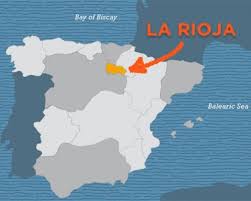
Tempranillo ~10–20 (Spanish Riojas)

Rioja Region of Spain

Sangiovese ~7–17 (Italian Chiantis, Super Tuscans)

Old Vine Zinfandel

Merlot ~7–17
Syrah ~5–15
Pinot Noir ~10
Malbec ~10
Zinfandel ~5


White Wines

White Rioja ~10–15

Chardonnay Region of France

Chardonnay ~10


Trebbiano ~8
Sémillon ~7  (Mostly used in blending)
Sauvignon Blanc ~4
Viognier ~4 

Muscadet ~3
Pinot Gris ~3

Dessert and Fortified Wines

100+ Year old Maderia

Tawny Port ~150
Madeira ~150
Vintage Port ~50–100


Sherry ~75
Hungarian Tokaji Aszu ~20–30
German/Alsatian Riesling ~15–25  (Beerenauslese,  Trockenbeerenauslese )


French Sauternes ~15–25


Now, that you have an idea of what type of grapes/wine are suited for aging, you are all set.  RIght?  No, because even if you took any one of the above wines and put them in the wrong area, they would not age gracefully and you would be totally disappointed.   So,  How do you keep it ?   so it will age correctly.    Instead of repeating everything, just jump over to my other section on http://rdilauro.com/CarpeVino/2018/08/18/storing-wine/

So, now you understand which wines can potentially age better than others,  you also have a basic knowledge of the proper conditions that will help those wines age gracefully, but know, the big question is When is too old?   There are several factors involved, but again, it helps to understand some basics here.

Wine is perishable and capable of deteriorating, there are complex chemical reactions involving a wine’s sugars, acids and tannins that influence this.  This aging can alter the aroma, color, mouthfeel and taste of the wine in a way that may be more pleasing to the taster.

So, how many years do I keep it?  When is enough enough?   Again, like people, wines slowly move up to their potential, they start to peak and then unfortunately, those glory times start to fade and the wines slowly lose all their glory and eventually become just an simple ordinary glass of wine (if that).

Wild Tannins

When I was first trained in wines in the 1970’s, it was basically centered around the classic French bordeaux. We talked about  those wines lasting 10, 15 or more years.   I have had some 1st growth French Bordeaux that were over 40 years old.  They will still ruby red, soft, rich,  pleasant tannins and totally unbelievable!   As my wine experience grew, California wines were becoming more popular.   The Napa Valley Cabernet Sauvignons were nightmares while they were young.   So heavy on tannins, that it made those wine almost impossible to drink and enjoy.   But you knew that those tannins were an indicator that the wine could age for a very long time and eventually mellow out.  But how long is that?   I’ve made the mistake several times in allowing wines to age too long.   I had some Napa Cabernet’s from the mid 1980s that I kept until 2000 or so.   Besides dealing with so many cork problems, most of those wines were not even drinkable.


Fast forward to the year 2000 and onward .  There were changes in California wines and even French wines.   The trend was making wines to be consumed earlier, by that I mean totally drinkable and peaking in a shorter period of time.  So, many Cabernet Sauvignon’s were ready to drink within 5 years and after 10 years there were well on their way downhill.    So, now, unless there is an exceptional vintage year from California, I do not cellar those Cabs or other full reds (ie Merlot, Petite-Sirah, Cabernet Franc) for more than 7 years.

The way I handle all of this now is purchasing several bottles of the same wine that I intend to age.   I like to start with at least 6.   I will taste the first one as soon as I bought it.   This way I would have a good indicator of the structure and the potential longevity of the wine.   Then I put them to bed and about every 18 months or so , I would open another bottle.   This way I have a pretty good idea of where the wine was going, had it peaked yet and how much longer I should age it.   When I have a wine that is still showing strong youth and promise, I will buy another 6 bottles.

Overall, aging of wines should be a fun project.  But since there is generally an financial investment involved, you should know the basics of what you are doing.

Happy Aging.

You know, Stallion? It’s too bad we gotta get old, huh?


Beer Facts

Beer Facts


Interesting Info

https://www.thrillist.com/drink/nation/beer-facts-beer-facts-to-make-you-sound-smarter-at-parties


The first modern American IPA was Anchor Liberty Ale

Beer cans debuted way back in 1933

Schlitz invented the brown bottle + tall boys in 1911

North Dakota drinks more beer than anyone

The Belgian dubbel beer is named that because people were illiterate

Narragansett was advertising beer on TV way back in 1944

The world’s best-selling beer is… Snow? (from China)

During Prohibition, people were prescribed “medical beer”

A 15ft high tidal wave of beer killed eight people in London in 1814

America’s largest craft brewery is Yuengling

People were drinking beer 5,000 years ago

Abraham Lincoln taxed beer to help pay for the Civil War


Beer,  according to a pure definition in Germany is brewed according to the Reinheitsgebot, which permits only water, hops, and malt as ingredients


TERMS

IBU is an abbreviation for the International Bitterness Units scale, a gauge of beer’s bitterness.  What IBU’s measure are the parts per million of isohumuone found in a beer.   A what? isohumuone??  It’s the the acid found in hops that gives beer its bitter bite.

https://www.brewersfriend.com/2009/01/24/beer-styles-ibu-chart-graph-bitterness-range/

BUs of some common styles[13]
Beer style IBUs
Lambic 0-10
Wheat beer 8-18
American lager 8-26
Kölsch 20-30
Pilsner 24-44
Porter 18-50
Bitter 24-50
Pale ale 30-50
Stout 30-90
Barleywine 34-120
India pale ale 40-120


SRM  The number was originally, and still is, defined by “Beer color intensity on a sample free of turbidity and having the spectral characteristics of an average beer is 10 times the absorbance of the beer measured in a 1/2-inch cell with monochromatic light at 430 nanometers.”

https://www.twobeerdudes.com/beer/srm

Beer Style SRM Color Ranges
Style SRM Range
Pilsner 2 – 7
Witbier, Berliner Weisse 2 – 4
Belgian Strong Ale 4 – 7
Maibock 4 – 10
Vienna Lager 7 – 14
Oktoberfest 4 – 12
American Pale Ale 6 – 14
Pale Ale 5 – 14
English Golden Ale 4 – 8
Bavarian Weizen 4 – 10
Bitter, ESB 8 – 14
Märzen 7 – 15
Imperial Pale Ale 5 – 11
Bière de Garde 6 – 13
Dunkel Weizen 9 – 13
Amber Ale 11 – 18
English Brown Ale 12 – 22
Bock 15 – 30
Porter 20 – 40
Oatmeal Stout 25 – 40
Baltic Porter 17 – 40
Foreign Stout 30 – 65
Imperial Stout 50 – 80


HOPS  The plant part used in brewing beer is the hop flower, a delicate, pale green, papery cone full of perishable resins. They give a beer bitterness when used early in the brewing process, and aroma when added at the end. As a bonus, hops are a preservative, and extend the life of beer.

http://allaboutbeer.com/learn/beer/hops/

Hop Name Hop Alpha Acid % Common Beer Styles Possible Hop Substitutions Hop Characteristics
Admiral (U.K.) 13.5% to 16% Ale U.K. Target, U.K. Northdown, U.K. Challenger Known for its bittering potential.
Ahtanum 4% to 6.3% Floral, citrus, sharp, and piney.
Amarillo 8% to 9% Ale, IPA Cascade, Centennial Citrusy, flowery.
Bramling Cross (U.K.) 5% to 7% ESB, bitter, pale ale U.K. Kent Golding, U.K. Progress, Whitbread Golding Variety Quite mild, fruity currant aroma.
Brewer’s Gold 7% to 8.5% English ale Bullion Bittering hop with neutral aroma character.
Brewer’s Gold (German) 6% to 7% Ale, heavier German-style lagers Northdown, Northern Brewer, Galena, Bullion Black currant, fruity, spicy.
Bullion 6.5% to 9% IPA, ESB, stout Columbus, Northern Brewer, German Brewer’s Gold A rich hop primarily used for bittering. Intense blackcurrant aroma.
Cascade 4.5% to 7% Pale ale, IPA, porter, barleywine Centennial, Amarillo, possibly Columbus Pleasant, flowery, spicy, and citrusy. Can have a grapefruit flavor.
Centennial 8% to 11.5% All ale styles, has been used with wheat beer Cascade, possibly Columbus Medium with floral and citrus tones.
Challenger (U.K.) 6.5% to 8.5% English-style ales, porter, stout, ESB, bitter U.S. or German Perle, Northern Brewer Mild to moderate, quite spicy.
Chinook 10% to 14% Pale ale, IPA, stout, porter, lager Nugget, Columbus, Northern Brewer, U.K. Target Mild to medium-heavy, spicy, piney, and grapefruity.
Cluster 5.5% to 8.5% Ale and lager (good aroma for ale, good bittering for lager) Galena Medium and quite spicy.
Columbus 11% to 16% IPA, pale ale, stout Nugget, Chinook, U.K. Target, Northern Brewer Pleasant, with pungent aroma.
Crystal 2% to 4.5% Lager, pilsner, ESB Mt. Hood, Hersbrucker, French Strisslespalt, Liberty, Hallertauer Mild and pleasant, spicy and flowery.
Eroica 9% to 12% Wheat Galena, Nugget, Chinook Strong but pleasant aroma.
First Gold (U.K.) 6.5% to 8.5% Ale, ESB U.K. Kent Golding, maybe Crystal A little like Golding family; spicy.
Fuggle (U.S.) 4% to 5.5% Any English-style beer or American ale U.K. Fuggle, Willamette, Styrian Golding, U.S. Tettnanger Mild and pleasant, earthy and fruity.
Fuggle (U.K.) 4% to 5.5% All English-style ales, ESB, bitter, lager U.S. Fuggle, Willamette, Styrian Golding Mild, pleasant, hoppy, and robust.
Galena 10% to 14% Ale, porter, stout, ESB, bitter Nugget, Pride of Ringwood, Chinook Medium but pleasant hoppiness, citrusy.
Golding (U.S.) 4% to 6% Pale ale, ESB, all English-style beer U.K. Golding, Whitbread Golding Variety, U.K. Progress, and possibly the Fuggle family Mild, extremely pleasant, and gently hoppy.
Hallertauer (U.S.) 3.5% to 5.5% Lager, pilsner, bock, wheat Liberty, Ultra, Hallertauer Tradition Very mild, pleasant, and slightly flowery, some spicy.
Hallertauer Gold 6% to 6.5% Crystal, Mt. Hood Known for its aromatic properties similar to Hallertauer.
Hallertauer Mittelfrüh 3% to 5.5% Lager, bock, wheat, maybe pilsner Liberty, German Tradition, Ultra Mild and pleasant.
Hallertauer Tradition (Ger.) 3.5% to 5.5% Mild-flavored beers Crystal, Liberty Known for its aromatic properties. A replacement for Hallertauer Mittelfrüh.
Hallertau Hersbrucker (German) 3% to 5.5% Lager, pilsner, bock, wheat Mt. Hood, French Strisslespalt Mild to semi-strong, pleasant, hoppy.
Horizon 11% to 14% Ale, lager Magnum or a high-alpha hop Pleasantly hoppy.
Kent Golding (U.K.) 4% to 5.5% All English-style ales, ESB, bitter U.S. Golding, Whitbread Golding Variety, U.K. Progress Gentle, fragrant, and pleasant.
Liberty 3% to 6% Lager, pilsner, bock, wheat Hallertauer Tradition, Hallertauer, Mt. Hood Mild and clean aroma, slightly spicy character.
Magnum 13% to 15% All beers, particularly lager, pilsner, stout Northern Brewer Known for bittering value and quality.
Mt. Hood 3% to 8% Lager, pilsner, bock, wheat Crystal, French Strisslespalt, Hersbrucker Mild, pleasant, and clean, somewhat pungent and resiny.
Northdown (U.K.) 7.5% to 9.5% All ales, porter Fruity with some spiciness.
Northern Brewer (U.S.) 6% to 10% ESB, bitter, English pale ale, porter, California (steam) beer Nugget, Chinook Medium-strong with some wild tones.
Northern Brewer (German) 7% to 10% ESB, bitter, English pale ale, porter Chinook, U.S. Northern Brewer Medium-strong with some wild tones.
Northwest Golding 4% to 5% Ale, porter, stout, ESB, bitter Known for aromatic properties.
Nugget 11% to 14.5% Light lager Columbus, Chinook, U.K. Target, Galena Quite heavy and herbal.
Olympic 11% to 13% Chinook Mild to medium, citrusy aroma, spicy.
Perle (U.S.) 6% to 9.5% Pale ale, porter, German styles Northern Brewer, Cluster, Galena, Chinook Known for its aromatic and bittering properties, pleasant and slightly spicy.
Perle (German) 6% to 8.5% Pale ale, porter, lager U.S. Perle, Northern Brewer Moderately intense, good and hoppy, fruity and a little spicy.
Phoenix (U.K.) 4.2% to 5.5% All ales U.K. Northdown, U.K. Kent Golding, U.K. Challenger Similar to U.K. Challenger.
Pioneer (U.K.) 8% to 10% Ale, ESB U.K. Kent Golding A mild, typical English aroma.
Polish Lublin 3% to 4.5% Pilsner U.S. Saaz, Czech Saaz, U.S. Tettnanger Mild and typical of noble aroma types, spicy, herbal.
Pride of Ringwood (Australia) 7% to 10% Australian lager Galena, Cluster Quite pronounced, woody, earthy, herbal.
Progress (U.K.) 5% to 7.5% Ale, bitter, ESB, porter U.K. Kent Golding, Fuggle Moderately strong, good aroma.
Saaz (Czech) 3% to 4.5% Pilsner U.S. Saaz, Polish Lublin Very mild with pleasant hoppy notes, earthy, spicy, and herbal.
Saaz (U.S.) 3% to 5% Pilsner, lager, wheat Czech Saaz, Polish Lublin Mild and pleasant, earthy and spicy.
Santiam 5% to 7.9% Lager, American ale, pilsner German Tettnanger, German Spalt, German Spalt Select Noble characteristics.
Satus 12.5% to 14% Galena Known for its bittering and aromatic properties.
Simcoe 12% to 14% A bittering and aromatic hop.
Spalt (German) 4% to 5.5% Lager U.S. Saaz, U.S. Tettnanger, German Spalt Select Mild and pleasant, slightly spicy.
Spalt Select (German) 4% to 6% Lager, and any beer where noble aroma is wanted U.S. Saaz, U.S. Tettnanger, German Spalt Very fine Spalter-type aroma.
Spalt Select (U.S.) 3% to 5% German lagers Tettnanger, Saaz Medium intensity and pleasant hoppy qualities. Medium-strong aroma with wild American tones.
Sterling 6% to 9% Lager, ale, pilsner Saaz, Polish Lublin Herbal, spicy, pleasant aroma, hint of floral and citrus.
Strisslespalt (France) 3% to 5% Pilsner, lager, wheat Mt. Hood, Crystal, Hersbrucker Medium intensity, pleasant, hoppy.
Styrian Golding (Slovenia) 4.5% to 6% All English-style ales, ESB, bitter, lager U.S. Fuggle, U.K. Fuggle, Willamette Delicate, slightly spicy.
Summit 17.5% to 19.5% IPAs, Imperial IPAs Simcoe Orange, tangerine, citrus notes.
Target (U.K.) 9.5% to 12.5% All ale and lager Fuggle, Willamette Pleasant English hop aroma, quite intense.
Tettnanger (U.S.) 3.4% to 5.2% German ales and lagers, American lagers, wheat German Spalt, Czech Saaz Santiam An aromatic hop, mild and slightly spicy.
Tettnanger (German) 3.5% to 5.5% Lager, ale German Spalt, German Spalt Select, U.S. Tettnanger, Saaz Mild and pleasant, slightly spicy, herbal.
Tomahawk 15% to 17% Ale Columbus Primarily a bittering hop.
Tradition (German) 5% to 7% Lager, pilsner Hersbrucker, Hallertauer Mittelfrüh Very fine and similar to Hallertauer Mittelfrüh.
Ultra 2% to 4.1% Lager, pilsner, wheat, finish hop in ales Liberty, Hallertauer Tradition, Saaz Very good to outstanding, some Saaz-like qualities. Aromatic properties similar to Hallertauer.
Vanguard 4% to 5.67% Saaz, Hallertauer Mittelfrüh Aroma similar to continental European types.
Warrior 15% to 17% Ale, stout Nugget A bittering and aromatic hop.
WGV (Whitbread Golding Variety) (U.K.) 5% to 7% Ale U.K. Kent Golding, U.K. Progress Quite pleasant and hoppy, moderately intense.
Willamette 3.5% to 6% Pale ale, ESB, bitter, English-style ale, porter, stout U.S. Fuggle, U.S. Tettnanger, Styrian Golding Mild and pleasant, slightly spicy, fruity, floral, a little earthy.
Yakima Cluster 6% to 8.5% Used as a kettle hop for bittering.
Zeus 13% to 17% Columbus Aromatic and pleasant.


* Ron’s Corner

Ron’s Opinions about Wines, the Industry and much more.    Several discussions about different types of wines, the wholesaler, the grape, just about anything to do with wine and more


Emilie

                       la-petite-biere

“I want to share my passion with the initiates and the curious, while initiating the “dummies” in beer who would like to start tasting.”   (Emilie)

Emilie wants to share her favorite beer with people. Help the amateurs to develop their brewing knowledge and learn more about micro beer through the different exchanges.

Besides her passion for beer, Emilie is also an actress.  She was in the 2015 movie “The Walk”, the story of Philippe Petit, the only person to walk between the two World Trade Towers in New York.

(photo credit:  Carl Theriault)

Wine Folly

Today, I have to talk about Madeline Puckette’s book  The WINE FOLLY – Magnum Edition.

I have been associated with wines and beverages for over 40 years now.  I was trained by a sommelier and spent hours and hours reading over 60 books about wines, how they are made, the grapes, the regions, etc.   I read Hugh Johnson’s Atlas of Wines, several editions cover to cover and used that as a basis for education when I taught wine appreciation.

Wine Folly is a new approach to wine education.  It removes the old stuffy snobbery approach with all those big words that most people do not understand or even care about.

Madeline’s approach is so fresh.  Its humorous, its fun, its educational, its detailed.  It covers just about every aspect that anyone needs to know about wines.   This book is great for the person who just wants to start learning about wine, or for someone who is a sommelier.

A fantastic book, hop over to Amazon to purchase a copy.  You will not regret it!