Top Number Ones


Here is a listing of the Top #1 Wines selected each year  by Wine Spectator  from 2000 to  2017.   The ratings on the right side of the identified wine.

Year   Vintage                 Wine                                                                         Rating
2017     
2014      Duckhorn Melot                                                                95
2016     2013      Lewis Cabernet Sauvignon , Napa                          95
2015     2012      Peter Michael Cabernet Sauvignon, Oakville    96
2014     2011       Dows Vintage Port                                                         99
2013     2004     Cunde Rioja Imperial Gran Reserva                       95
2012     2008     Shafer Relentless, Napa                                              96
2011      2009     Kosta Browne Pinot Noir, Sonoma                        95
2010     2007     Saxum Jame Berrys Blend, Paso Robles            95
2009    2005     Columbia Crest Cabernet Sauvignon Res         95
2008    2005     Casa La Postolle Clos Apalta Blend                      96
2006    2001      Casanova di Neri Brunello di Montalcino           97
2005    2002      Joseph Phelps Insigna                                                96
2004    2001      Chateau Rievssea Sauterne                                    100
2003    2001       Paloma Merlot Spring Mt District                        95
2002    1999       E.Gugal Chateauneauf du Pape                             93
2001    1998       Tenuta dell Ornellaia Super Tuscan                      96
2000   1997       Antinori Toscana Solara Super Tuscan               98


Paige

winewithpaige

After completing her  WSET Level 3 certification class in early 2018, Paige Comrie wanted an opportunity to share her love and knowledge for wine with others while documenting her own favorites and tasting notes. This lead to the creation of Paige’s  wine-focused Instagram, @winewithpaige. From there, she realized how many people were interested in wine but had no idea where to start, and that inspired her to do something new to to make wine personal and fun. She started giving at-home tastings and offering a customized wine club, as an opportunity to create an environment where people can ask real questions without fear of judgement. After all, wine should be fun, not scary. 

Browse her web site and look over the section on At Home Wine Tastings. and join  her club and see just how wonderful wine can be.

  •  She is  incredibly passionate about small, independent businesses, and American-made wine.
  • She  took her WSET Level 2 and passed with Distinction in 2017.
  • In 2018, she passed  the WSET Level 3 with Merit.
  • Paige is now currently working on becoming a Certified American Wine Specialist.
  • In the past,  she has worked as a Professional Photographer and an Assistant Buyer in the Fashion Industry. Paige  tries to bring those creative touches to everything she does.

Visit her website or check out her posts on Instagram

Keith

    Keith DiLauro


Welcome to KD Private Chefs. Our passion and purpose is to help people eat well, live well and be well. We do that by providing a full-service, personalized private chef service, taking care of everything you need for your eating to reflect your well being and lifestyle goals.

My passion came to life when I began to cook for private clients, often people with very busy schedules, such as public figures, business leaders, entertainers, athletes and families. I’m now surrounded by a terrific team of talented and nutritionally aware chefs who share my commitment for creating delicious and healthy homemade food, and who understand the elevated level of service, personalization and discretion our members need.

When it comes to our food, health and taste are of equal importance. Our food is seasonally inspired, and created with your individual wellbeing, tastes and needs in mind, along with a commitment to sourcing the best quality ingredients.

As a completely bespoke service, we focus on delivering what is important to you. We can’t wait to meet you!

Head Chef & Founder, Keith DiLauro


Chef Keith DiLauro’s signature artisanal wellness chocolate bark is expertly crafted using the highest quality and carefully selected health-boosting ingredients for a delicious, healthier snack alternative.

Health and Wellness Chocolate Bark

Cheese

                                                                Cheese, Cheese, Chesse and Wine


A little history — Who made the first cheese?

According to an ancient legend, it was made accidentally by an Arabian merchant who put his supply of milk into a pouch made from a sheep’s stomach, as he set out on a day’s journey across the desert. The rennet in the lining of the pouch, combined with the heat of the sun, caused the milk to separate into curd and whey. That night he found that the whey satisfied his thirst, and the cheese (curd) had a delightful flavor which satisfied his hunger.

Thomas Jefferson was the first to bring mac and cheese to America.  While visiting France he fell in love with so many of the pasta dishes he had been served. He brought a pasta machine back with him and first served Mac-and-Cheese at a state dinner in 1802!

The first milk used for cheese was from goats or sheep, as these were most prevalent in the Mediterranean areas of the Fertile Crescent. There are ancient Sumerian records going back as far as 4000 BC showing they ate cheese.

Thomas Meacham who hailed from Sandy Creek, New York.  He was quite proud of his cheese-making abilities, and in 1835 he held a public celebration in Oswego where he revealed ten cheeses of his own creation. He made two giant wheels of cheese, each weighing in at 750 pounds, one for Vice President Martin Van Buren and the other for  New York Governor William Macy.

The really really big wheel—four feet wide and two feet tall—he made for President Andrew Jackson and sent it to him via schooner. When it arrived in Washington, it was paraded to the White House in a cart drawn by twenty four horses.

The Canadians still hold the record for the largest cheese: a 57,000 pound monster made in Ontario in 1995.

Cheese Rinds  are the outside layer that form on a cheese during the cheesemaking and aging process. Most rinds (except for wax, cloth or bark)–  are naturally edible and will enhance a cheese’s overall flavor

Can you eat Cheese Rinds?

The velvety white, gray, or yellow rinds of many soft or semisoft cheeses (think Brie or Taleggio) are edible and often have a pungent, mushroomy flavor.

Discard the inedible wax rinds on hard cheeses, like Gouda and Manchego,

Save earthy Parmesan rinds for simmering in soups and stews (pecorino works, too).

End of the History lesson

I love wine, there isn’t anything about wine that I do not like   What makes wine  even better is food and cheese.   Wine and Cheese, to me, is just like  Bread and Water.

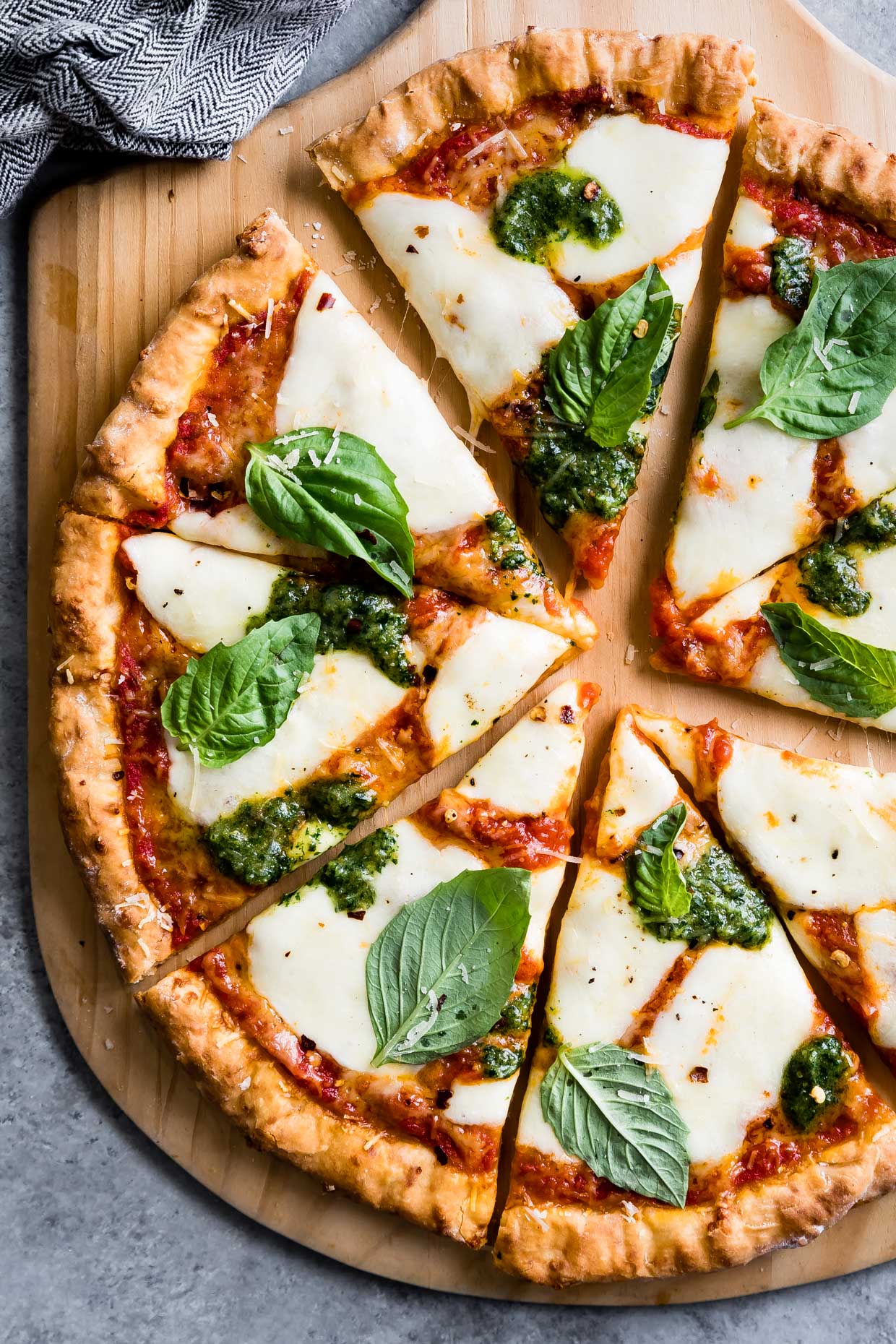
I love cheeses of almost every kind and used in almost every way.    I have total weaknesses for Pizza.

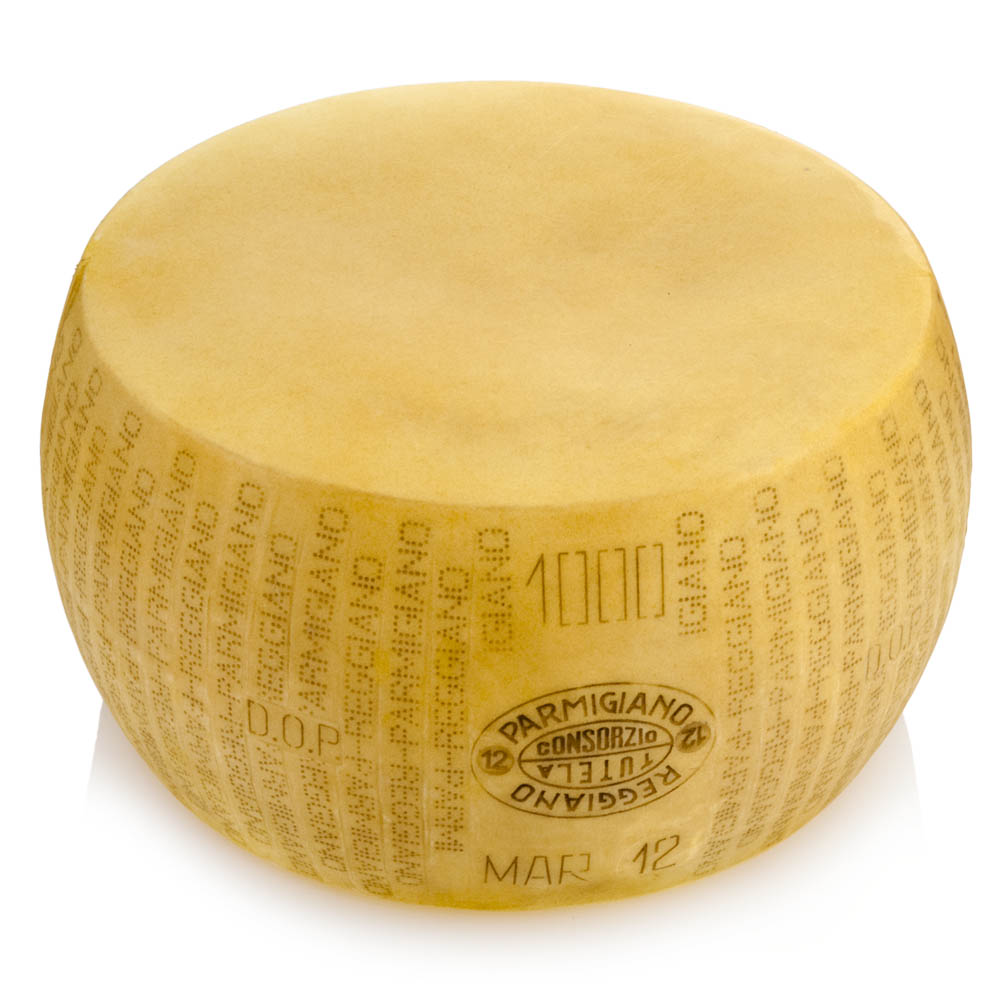
I love  any kind of Parmigiana cheese,  Grilled cheese sandwiches,  Macaroni and cheese and then some more.    But for me, what makes any cheese shine even more is having it with wine.



Interesting Facts About Cheese

1. Cheese was created over 4,000 years ago-by accident
Legend has it the first cheese was created accidentally, by storing milk in a container lined with an animal’s stomach. An enzyme from the stomach caused the milk to separate into liquid (whey) and solids (curd).


2. It takes 10 pounds of milk to make just 1 pound of cheese.
Cows eat about 90 pounds of feed every day and produce 2,604 gallons of milk per year. That can make a lot of cheese!


3. Over 25% of cheese in the U.S. is made in Wisconsin (the rest comes mostly from California, Idaho and New York). More than half the nation’s artisan cheese is made in Wisconsin.


4. Some cheeses are illegal in the United States.  Because of safety concerns related to bacteria, the FDA has banned certain cheeses from entering the United States. These include cheeses made with raw milk and aged under 60 days, including Brie de Meaux, Reblochon, Valencay, Epoisses, and Camembert de Normandie


5. Cheese caves are a real thing.  Storing cheese in caves, whether natural or man-made, helps to age them and imparts another level of flavor. Caves are cool and humid, which is exactly what cheese needs to age properly.


6. Mice don’t like cheese.  Despite popular belief, mice 

actually don’t like cheese.


7. Lactose-intolerant people can eat cheese    Aged cheeses have less lactose than fresh and usually can be enjoyed without discomfort.  Cheeses like Brie, Camembert, cheddar, Gouda, Muenster, Parmesan, provolone and Swiss are good choices.


8. There’s a reason certain cheese names are capitalized.  If a cheese is named after a city or country, it’s capitalized.  Examples include Asiago, American, Brie, Camembert, Gouda, Gruyere and Parmesan. Cheeses that aren’t capitalized include cheddar, feta, fontina, mozarella and provolone


9. Curd sizes yield different types of cheese    Large curds yield softer cheeses, such as ricotta and mascarpone. Small curds yield hard cheeses-think Parmesan and Romano


10. There are 60 Master Cheesemakers in the United States…and every one of them lives in Wisconsin.    Is the only state that has a Master Cheesemaker program.  Before entering the program, you need to have a cheesemaker’s license for 10 years, a process that requires 250 school hours and a six-month apprenticeship.


Cheese made from Milk from

Cow  – Probably the most common type of milk used for cheese making – which could be credited due to its abundance and stability. It is very versatile, containing just the right amount of fat and protein.
Cheeses  include Cheddar, Muenster, Mozzarella, Colby Jack, Swiss Cheese, Parmesan, Gouda, Gruyere, Bleu, Appenzell, Asadero, Camembert, Cambozola

Goat  – or chèvre as it is called in France, is more similar to human milk and is very low in potassium, making it safer for people with kidney disorders; thus it is often consumed by people who are ill or have low tolerance to cow’s milk.
Cheeses include: Bucheron, Chabis, Clochette, Couronne Lochoise, Chabichou du Poitou, Valençay, Pyramide, Mato, Crottin de Chavignol, Pélardon, Picodon, Pouligny Saint-Pierre, Rocamadour, Sainte-Maure de Touraine, Castelo Blanco, Brunost and Caprino

Sheep  –  Due to its high lactose content, sheep’s milk is hardly consumed as is, but is commonly used to make dairy products like Yogurt.
Cheeses include : Feta, Roquefort, Manchego, Pecorino Romano, Berkswell, Castellano, Malvern, Meira, Olde York, Serat, Orla and Yorkshire Blue.

Buffalo  –  Has a high fat content, making it ideal for mozzarella production. Unfortunately, water buffalo milk is not easy to come by, making it a prized commodity in the dairy industry.
Cheese include:   Mozzarella.


Cheeses with Wine


I can not think of any two better items together   Put some wine and cheese together, add some fresh crusty bread and you are as close to heaven as possible.


Cheese Types


Hard  As the name suggests, hard cheese is firm. Often savory, it can be divided into two categories: hard, such as  Parmesan, and semi-hard, such as Gouda and Grevé. Production involves separating and draining most of the whey before pressing the curd, which is then either brined to create a hard rind or waxed. Finally, the cheese is aged for between two and 36 months, and in some cases even longer. Ageing determines the intensity of the flavor. A well-aged cheese will be more flavorful, less creamy and grainier in texture. Hard cheeses are lactose-free too – good news for the lactose-intolerant.
Hard cheese has a moisture content of less than 50% due to the cheese being aged for a long period of time which causes the cheese to lose some of its moisture content and have a stronger flavor.

Examples:

Cheddar    USA, United Kingdom
Comet  –  France
Parmigiano Reggiano  – Italy
Provolone  – Italy
Aged Gouda – Netherlands

Wines:
Mild/Medium           Light reds, Pinot Noir, Beaujolais, dry Roses
Sharp                          Bordeaux,  Côtes-du-Rhône, Zinfandel, Rioja, Chianti 


Soft   A Soft Cheese is a cheese with a lot of moisture in it, keeping its texture so soft that it is usually spreadable.  The process of making Soft Cheeses differs from making “Hard Cheeses” in that the curds aren’t pressed to squeeze out the whey, as they would be for instance in making a hard cheese like Cheddar. Consequently, they have a high moisture content, making them ideal growing places for mold. These cheeses are typically the most perishable and are sometimes held in brines.

Examples:

Cottage Cheese  – USA
Queso Blanco  – Mexico, Spain
Cream Cheese  – USA
Mozzarella – Italy
Ricotta –  Italy
Feta – Greece
Goat – France
Grueye –  Switzerland

Wines
Chardonnay,  Riesling, Pinot Grigio, Sauvignon Blanc,


Strong  Stilton, England’s answer to French Roquefort is another strong flavored cheese. Also considered by many enthusiasts as the “king of cheeses”.   A sharp white Cheddar has a very distinctive character. Among the soft cheeses, Camembert is known for strong flavor


Examples:

Stinking Bishop  – United Kingdom
Limburger –  GermanyBelgium and Netherlands
Stilton
–  United Kingdom
Roquefort  –  France
Brie de Meaux  – France
Muenster / Munster  – France
Camembert – France

Wines:
Zinfandel, Malbec, Red Blends, Riesling
With Stilton or Roquefort:   Tawny or Vintage Port


Herb  Is basically any soft or semi-hard cheese.  Then fresh chives, parsley, and tarragon or other herbs are added  and blended to this cheese spread.


Examp[e:

Boursin  –  Original from  Normandy, France, now made worldwide

Wines:
Merlot, White blends


The same I always say about wine.   Its not about what the book tells you to have, its what you want and like.   Thats all that counts


Cider

                                                              All About Cider


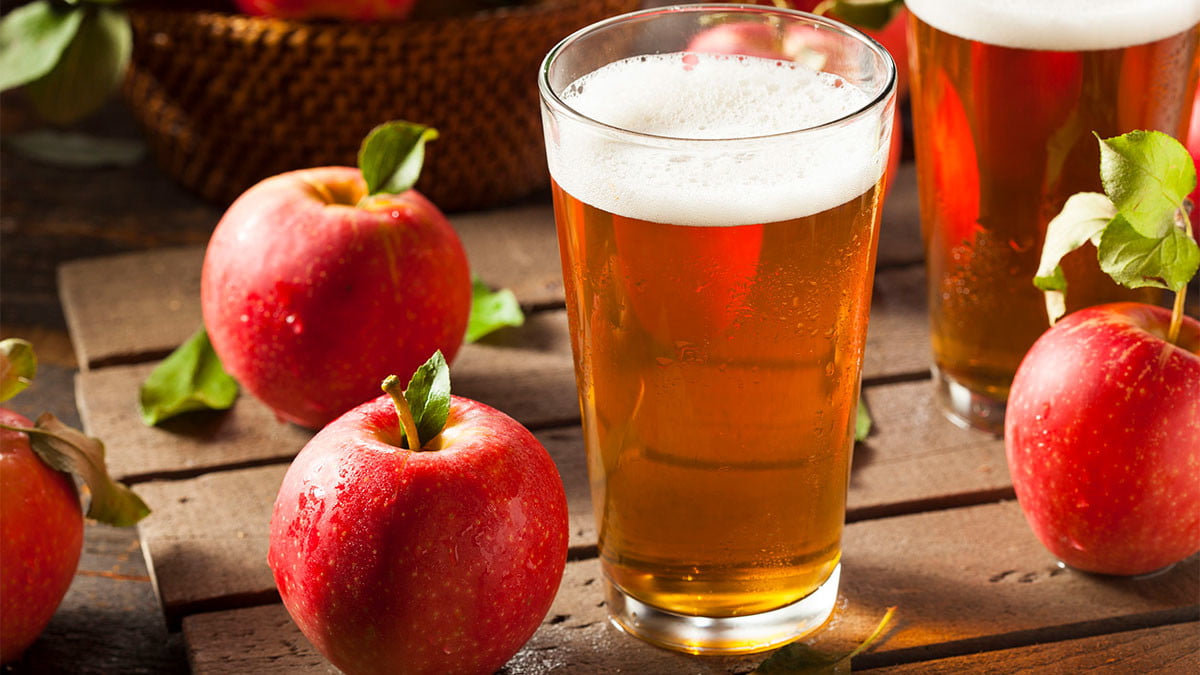
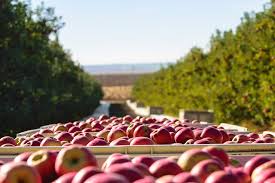
Cider  is an alcoholic beverage made from the fermented juice of apples. Cider is popular in the United Kingdom, especially in the West Country, and widely available. … The juice of any variety of apple can be used to make cider, but cider apples are best.

In the recent years, Cider has developed a huge following of younger people in the Unite States.   A change from beer, something different than wine,  not as strong as many high proof alcohols,  cider is now so popular.

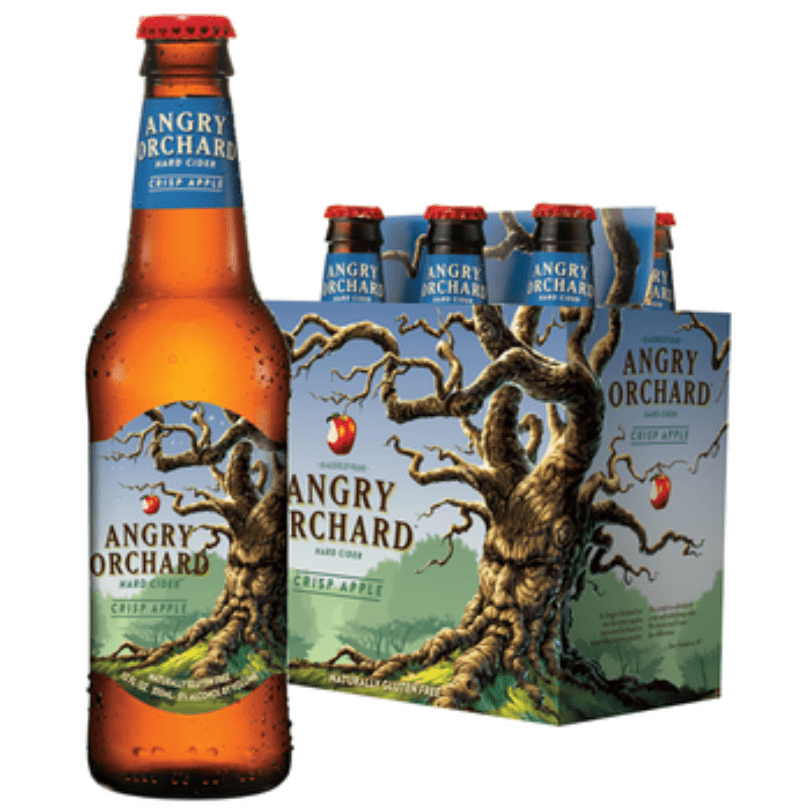
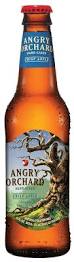
There a several iconic brands from Europe, mostly England and Ireland, but here in the United States, the Angry Orchard  line of cider basically revolutionized the world of cider.

In 2011,  Angry Orchard came on the scene with an innovative interpretation of hard cider.  They started with the basic Apple cider and over time, introduced dozens of different flavors (Honey,Rose,Ginger,etc)  Why Angry Orchard?   Its about the apples that are used in fermenting.   The French bittersweet apples, which were used for centuries in Europe.  These apples are tiny, homely, high in tannins, and low in acidity.  On their own, they are very angry apples – Hence the name.   However, these apples are very important since they balance the sweetness of the culinary apple.

How is Cider made?

As with wine, cider is produced using fruit and a fermentation process.
Fermentation means that apples— are squashed until the juice can be drained, after this very sugary juice is extracted it’s fermented with yeast to produce alcohol.


Fun Facts about Cider

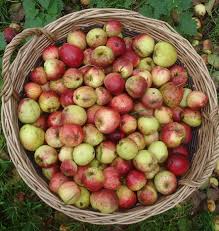
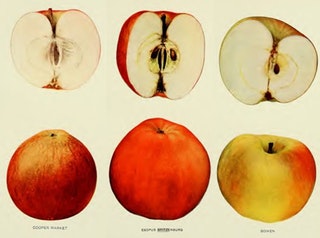
The Apples Matter   Fine heritage cider is made with cider-specific apples. Not the apples you found in your lunchbox.

Like Champagne  Some people make ciders like champagne. Really. When you use this fermentation process with a cider, it’s called methode champenoise.


Lots of Apples  It takes about 36 apples  to produce one gallon of hard cider.


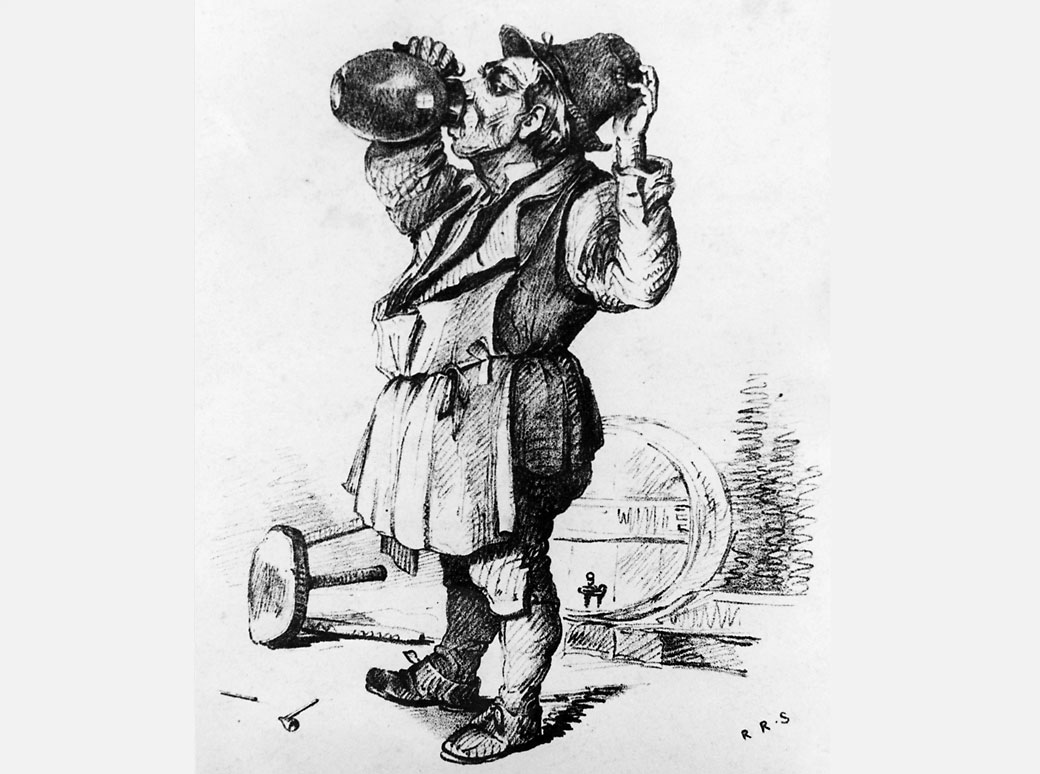
Drink of the Pilgrims  Cider was the drink of the pilgrims, since ground water was potentially dangerous. So the early colonists had just a little more fun than you think.


Range of Flavors Cider doesn’t just taste like apples. In fact, that’s a little like saying that great wine tastes like grapes. It has an aroma and unique set of notes that evoke all sorts of difference tastes – from herbs to grapefruit to caramel.


Spitters  is a term of praise. Some great apples that are perfect for cider making taste just awful if you take a bite. These cider apples are nicknamed after what you will probably do after a bite. Raw, they can taste like a teabag. But they create incredible, sophisticated ciders…


Hard Cider  Only Americans feel the need to call it “hard” cider. Everywhere else in the world cider is just cider. Alcoholic cider is the result of a natural fermentation process.


Cider Terroirs   Climate, rainfall, soil and temperature all impact the characteristics of fruit. Cider makers are discovering how a single variety can make a different cider when it is grown in different places.


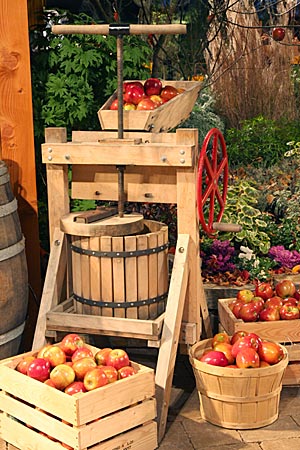
Ancient Roman Technique  The first apple presses were re-worked olive presses.

Holy Cider  Some say that in the middle ages, babies were baptized in cider because water could be unsanitary.

Gluten Free Cider is naturally gluten-free


Major Brands of Cider


United States  ( 2 types)

The Sweet

American Hard Dry Cider  Golden in the glass, with aromas of fermented fruit, this cider’s rich nose and full body belie its sharp, tannic finish. Complex and delicious—just right for pairing with autumn’s braised meats.

Angry Orchard
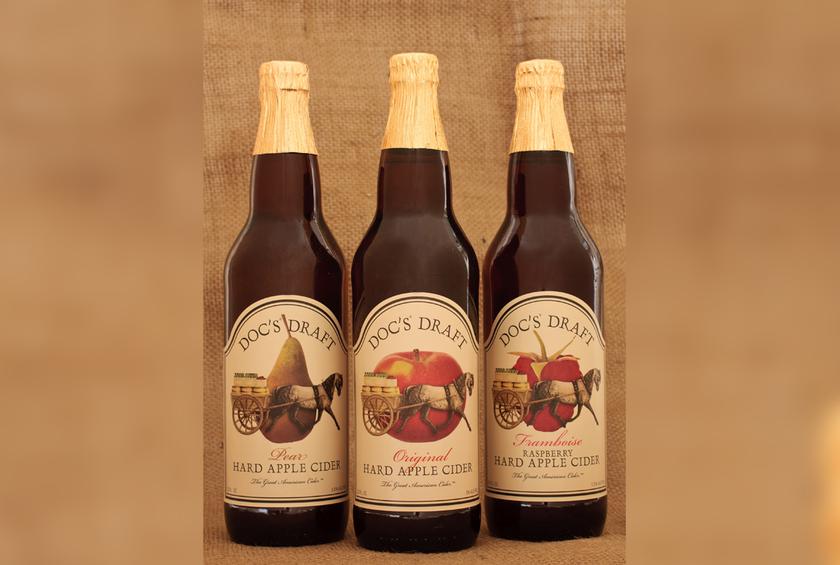
Doc’s Draft
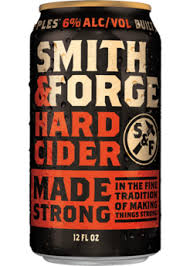
Smith & Forge
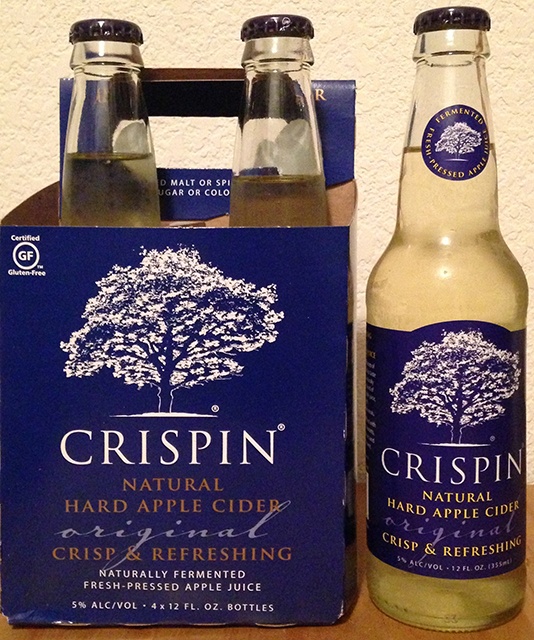
Crispin


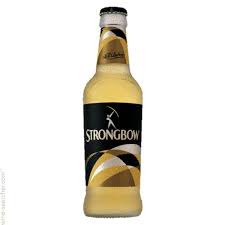
England  CIders here are lively but not aggressive carbonation, rounded and soft fruit notes but with a trace of dryness and a long finish make this an accessible but mature cider for beginning to venture away from sweeter styles.  One exception is Strongbow.  They used to be made on the very dry side, but the American consumer was looking for sweeter versions.  Now, most of the Strongbow ciders, I consider sweet.


Strongbow
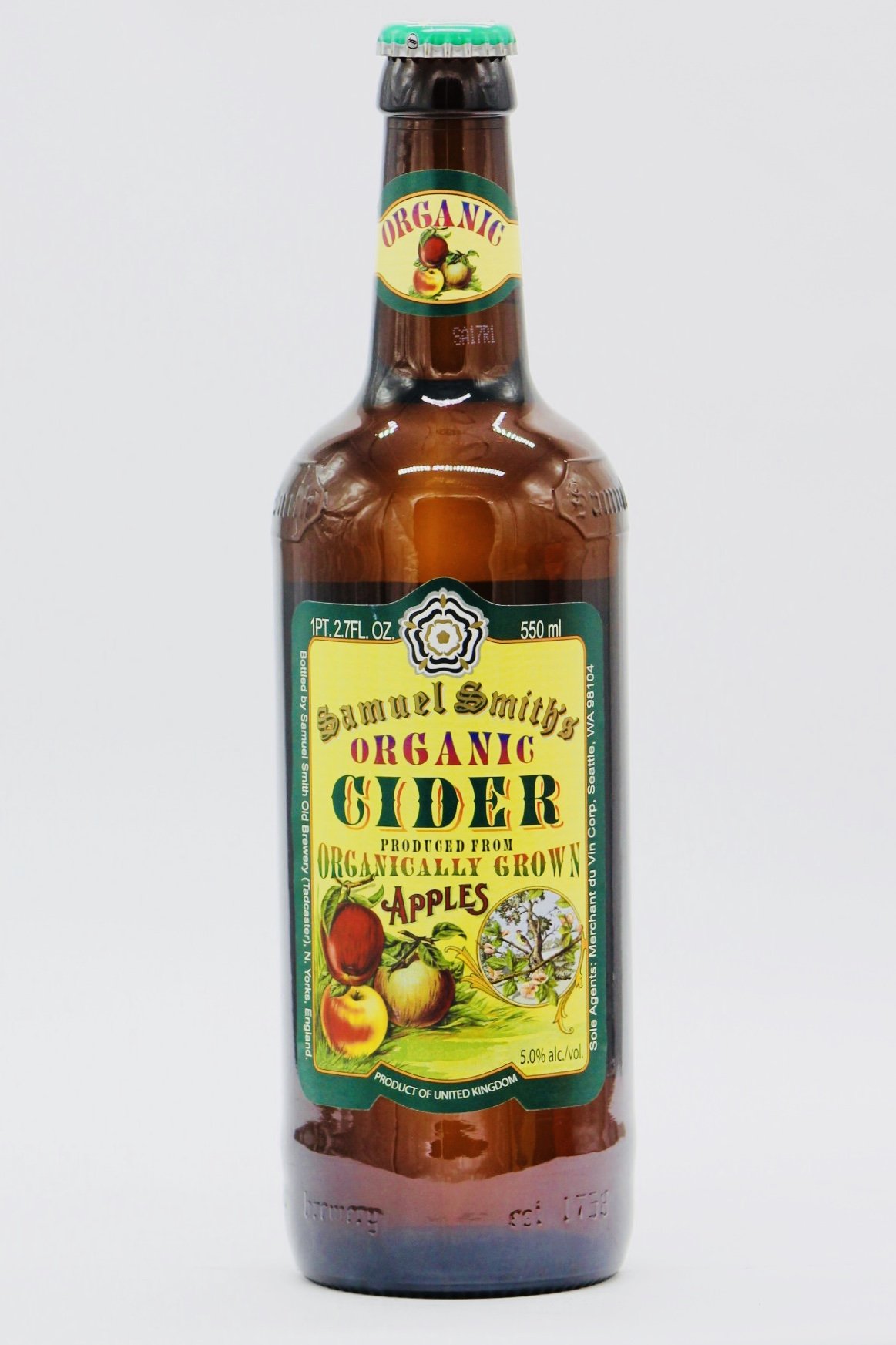
Samuel Smiths Organic Cider
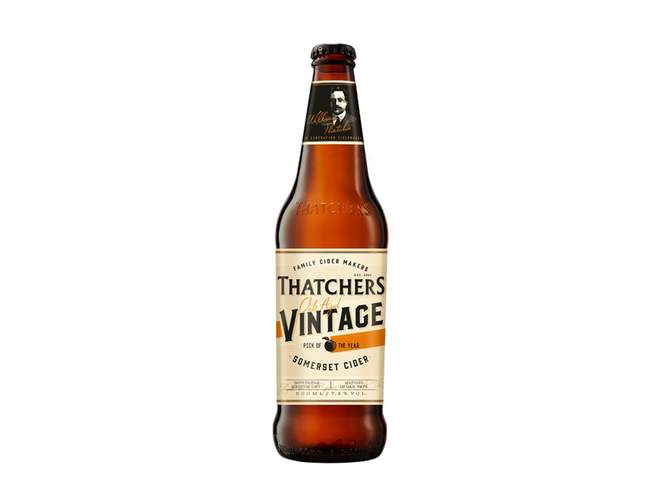
Thaters


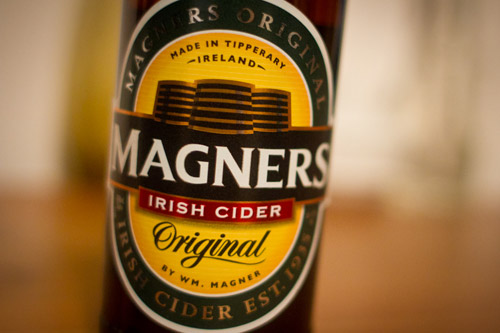
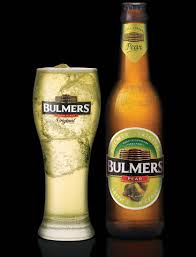
Ireland    Semi-sweet to semi-dry.  Medium bodied.  Low tartness and acidity.  Hints of bitterness and tannins.  No sourness or funk.  The notes didn’t go too beyond apple, with a touch of caramel.  Quick finish.  Moderate to high apple flavor.  High sessionability.  Low flavor intensity.  Low complexity.   Personally, I’ve tried Magners about 4 different times.  Each time, I thought I had a bad bottle of their cider.  One time,  a customer came in the store, who bought Magners.  I ask her if I could try one of the bottles from her 4-pack, and in return I gave her a 4-pack on the house.   I tasted it, and yep, still didnt like it.
I had her taste it and she said, yep, thats the way it is suppose to taste!

Magners
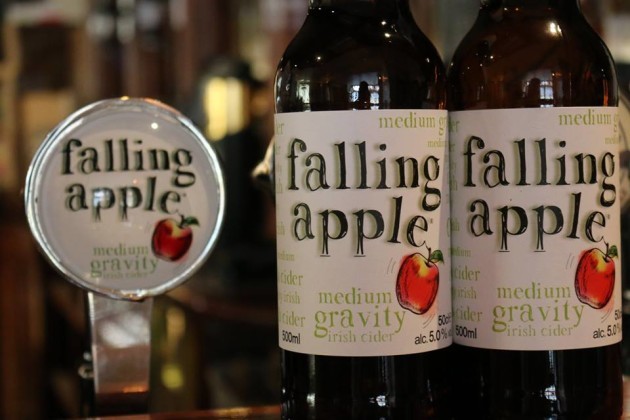
Falling Apple
Palmer
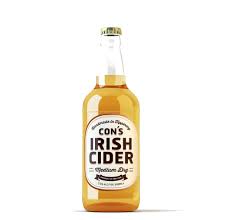
Cons Irish Cider


Shapes

                                  Wine Bottles Come in All Shapes

Wine bottles come in all shapes and sizes, from tall and slender to short and stout. And while the bottle shape doesn’t make a difference in terms of impacting the wine’s flavor, the bottle chosen does often represent a good amount of history and tradition that reflects back to where the wine is made.
So, by just looking at the shape of a bottle, you can almost immediately say what kind of grape was being used.

Here are the basic categories of wine bottle shapes

High Shoulder, Claret style   –  Bordeaux,  Cabernet Sauvignon, Merlot, Syrah

Claret Style


Sloped  – Red and White Burgundies

Burgundy (Red or White)


Tall Slender –  Rieslings and other German style wines

Other wine bottle shapes

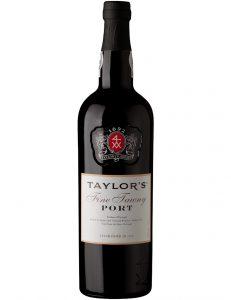
Port  (similar to the Claret bottle)


Rose ( Cote de Provence)


Champagne


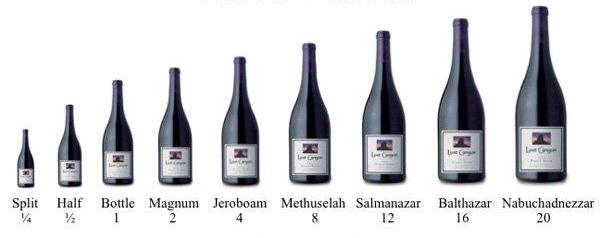
Size Counts
    Wine Bottles of all Sizes

Wine is always a very interesting subject.   There is so much about wine that you need to discover to completely understand and appreciate everything about this fermented juice.   Its not necessary to learn all about wine to enjoy it  because drinking wine is really where the enjoyment starts and ends.

There are some interesting facts about wine bottles.   They come in different sizes, Why? and they come in different shapes and at times colors Why?

Lets first talk about the sizes.

Wine bottle dimensions and wine bottle shapes vary. Wine bottles typically measure 3 to 3.2 inches in diameter and are about 12 inches tall. Champagne comes in slightly larger containers that measure up to 3.5 inches in diameter and closer to 12.5 inches tall in 750-milliliter amounts.

When you go into your local wine retail shop and are looking for a bottle of wine for dinner, you normally would select the standard  bottle  which is the .750  (n the older days, it was called a 5th)

750ml =  25.3605 oz
5th       =  25.6 oz           (size became illegal in 1980)

But I am sure you have seen bigger bottles.  Many people refer to them as double bottles, but the correct term is magnum.   It doesnt stop there, there are bigger and bigger bottles, here is a quick breakdown of the different sizes

Split  (Half Bottle)           375ml
Bottle (standard)            750ml
Magnum                             1.5 litres     or   2 bottles
Double Magnum            3.0 litres     or  4 bottles
Jeroboam                          4.5 litres     or   6 bottles
Methuselah                      6.0 litres     or   8 bottles
Salmanazar                      9.0 litres     or  12 bottles
Balthazar                         12.0 litres    or   16 bottles
Nebuchadnezzar         15.0 litres    or  20 bottles

As you can tell, some of these names are a bit strange.   The strange ones are named after biblical kings.   Here are some myths or stories about these names

Jeroboam was the first king of the northern kingdom of Israel, after they split off from the rest of the kingdom following the death of Solomon.
Rehoboam was a son of Solomon who succeeded his father as king of Israel.
Methuselah was the oldest man in the Bible
Salmanazar was an Assyrian king. In the Bible, he was known for his role in the last conquest of Israel.
Balthazar was one of the Three Wise Men who delivered gifts of gold, frankincense, and myrrh to Jesus when he was born.
Nebuchadnezzar is credited with the construction of the Hanging Gardens of Babylon as well as with the destruction of Solomon’s Temple.

Besides the interesting myths about these names, the sizes do have a significance when it comes to the wine.   Most shoppers of any product will realize that when the size is bigger, you generally pay a litle less.   So, a quart of milk lets say cost $1.50, a half gallon which is 2 quarts might only cost $1.35, so you save buying in bulk.    This is not always the case when it comes to wine.

Most of the time, you will pay more for the larger bottles.   Now, for the average medium priced wines (ie Mondavi Private Cellars, Mark West, YellowTail, etc) the double bottle (magnum) will cost a little less than 2 bottles.

But in your finer wines, expect to pay more.  For example, a bottle of Chateau Lynch-Bages 2012 may cost $125.   The magnum size of that same wine, may run as much as $275.  Why?  Wines in the magnum size age half the time of a standard bottle of wine.   This allows the finer wines to age more gracefully and slowly and because of this, the final results will be finer.

Handling and pouring of these large size bottles can present a bit of a problem.  I think anyone can handle the magnum size of wine, but when you start to get into those larger sizes, it becomes more difficult.   At times, too difficult for one person to handle.

I have seen devices such as the one on the left used to pour some special wine out of a large large bottle of wine.    This aid makes it a bit easier and chances for breakage is minimized.

I was at a wine tasting, where we had Methuselah size bottles of Champagne.  It was hard enough just to pop the cork on the Champagne (using the exact method you do on a single bottle)   We ad trouble doing this and at our first pour, one of the bottles slipped and we lost about $700 of Champagne.   So, having a device or pourers who know what they are doing is so very important.


Tempereature of Wine

What is the best temperature to drink your wine?

Traditional temperatures for some wines

Cellar      55            Cabernet Sauvignon and other full bodied reds
Room      65           Chardonnay and other full bodied whites
Cool         60           Sparkling Wines
Cold         52            Crisp whites, Pinot Grigio, Sauvignon Blanc
Iced          <45         If you must

When you start to think about the temperature you are going to drink your wine at, think of this example:

Hot summer day at the beach, playing volleyball, running around.  You are sweaty and hot!   You dip your hand into a ice cold bucket of Coors Light.  Pop open the can and you down the beer in seconds!   Wow, did that quench your thirst!   But did you really taste anything?

Probably not!


Well, this is the same thing with many wines.   Over the years, people have often had a rule, that white wine should be chilled.  Keep it in the refrigerator until you are ready to drink it.  Now, that does how true with certain white wines.   Those crisp , light, acidic types  ( Pinot Grigio, Vino Verhde, Sauvignon Blanc,  and some Rieslings)   In fact those types of wines sometimes taste much better at a colder temperature than they do as they warm up.

$20 Pinot Grigio
$5 Pinot Grigio

While I was in the retail business,  I always talked to customers about temperature of wine vs cost of wine.  I used Pinot Grigios as an example.   There are so many Pinot Grigio’s that you can    purchase for $5 a  bottle.  Then  you had some finer Pinot’s that  run around $20 bottle.    Those inexpensive bottles ( I never like using the word cheap) would taste great when they were ice cold.  But as they started to warm up, they became bitter and at times to the point very difficult to drink.  While the more expensive bottles, were fine cold and they maintained their taste and enjoyment even as the bottle started to lose its chill.

So chill out!

Now with Chardonnays, there is a major reason why you don’t want the wine too cold.  As with the example of the ice cold beer, drinking a complex wine like Chardonnay too cold, all the tastes, complexity, and characteristics are  lost. You basically can not taste anything special – Sure, it still taste good, but you are missing so much.   When  served at room temperature, the Pinot Chardonnay grape begins to shine.   The fruit overtones, apple, apricot, honey.   Some have that buttery taste from the Malolactic fermentation .   Here also you can appreciate how the wine was stored and aged, be it in stainless steel or oaked barrels.  Now you can really begin to taste and appreciate Chardonnays.

I think Europeans have a better feel as to what temperature they should be drinking their wines.  Americans on a whole tend to drink the whites too cold and the reds to warm.    Coming from the school of French Bordeaux back in the 1970’s, I drank all of my reds at room temperature.  I would generally remove them from any cellar temperature and leave them in a room for an hour or so before I drank them.   That really was from what I was taught and it became habit.

Twenty odd years later, I started to drink all my reds slightly chilled.   And by that I mean, after taking them from the cellar, I would put them in the refrigerator for about 30 minutes.   This was especially true for the lighter style of reds (Pinot Noir, Beaujolais, Granacha, etc).   I found I actually enjoyed these reds better this way and that they became more alive and basically started jumping all over your palate.    But, alas, I guess I still have some  old fashion blood in me.   When it comes to the classic reds, be it the French Bordeaux, the California Cabernet Sauvignon, the Italian Brunello those I always drank at cellar or room temperature.


But I’ve left some wines out…. The Rose.   Rose wine popularity has been increasing  in the last two years.  Before that, Rose wines were the special treats during the Spring.  The  picture of a picnic basket down by the river made it just perfect.  In fact those wines almost marked the Spring and as soon as the weather started to turn warm, out went the Roses.   Not any more!  There are so many different types of Rose wines now.   France had the market on the classic Rose Cote de Provence.  Always light, crisp and so refreshing.  But now, Roses are made from so many different grapes and countries.  Some I would even consider to be full bodied.   With all of this, Rose wines can be and are enjoyed year round.   Now, whats the perfect temperature for Rose?   To me, the lighter the Rose, it taste fine being chilled, but not too cold.  In fact for some Roses when they are too cold, we once again visit the ice cold Coors beer example.   The fuller Roses, those made from the Malbec, the Sangiovese grapes can be totally enjoyed at slightly less than room temperature.

Ice in wine?   Well my mother in law will not drink any white wine without 1 ice cube in it.  In fact at restaurants, she will order a glass with one ice cube and ask for a glass of ice cubes so she can add more to her wine.


I read this the other day and loved it, so I am sharing it here

It is commonly believed that putting ice cubes in your wine is a faux pas; watering down and diluting the flavours of the wine. … That’s what wine’s for, after all. ‘But, unless you’re drinking super-fast, the ice will melt and dilute the wine and it won’t taste as good

In the end   –  You know what?

Its really up to you to decide at what temperature you want to drink your wine!Wine is fun, so you dont need to follow any rules,  do and drink what you like and how you like it!

Cold


Hot
Warm