All About Cider
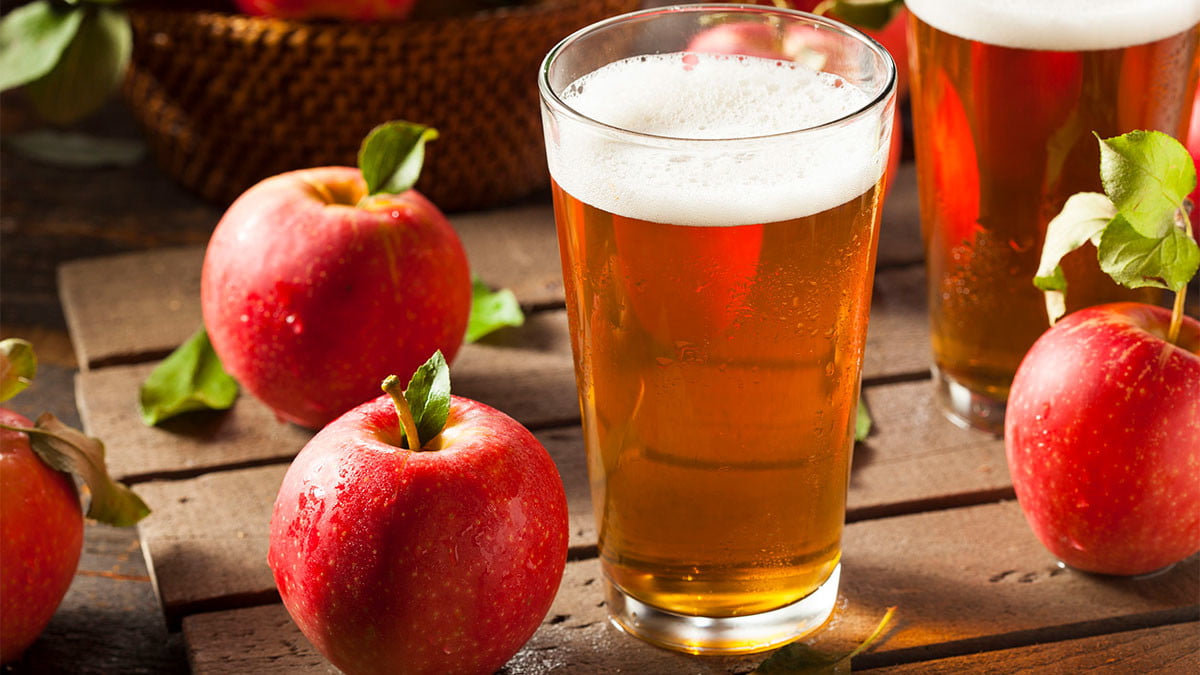
Cider is an alcoholic beverage made from the fermented juice of apples. Cider is popular in the United Kingdom, especially in the West Country, and widely available. … The juice of any variety of apple can be used to make cider, but cider apples are best.
In the recent years, Cider has developed a huge following of younger people in the Unite States. A change from beer, something different than wine, not as strong as many high proof alcohols, cider is now so popular.
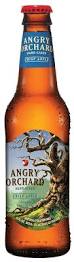
There a several iconic brands from Europe, mostly England and Ireland, but here in the United States, the Angry Orchard 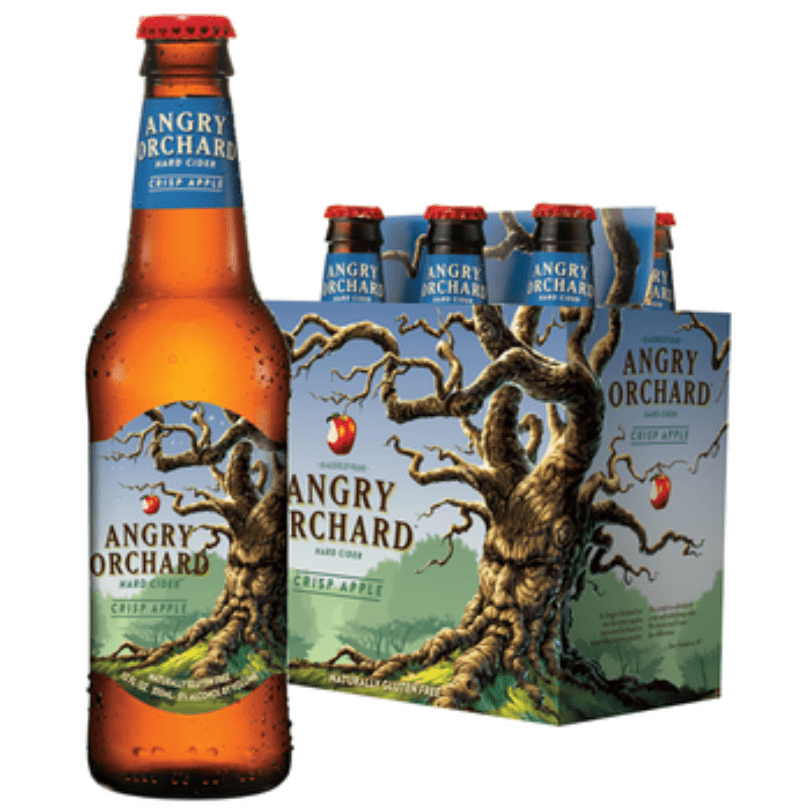 line of cider basically revolutionized the world of cider.
In 2011, Angry Orchard came on the scene with an innovative interpretation of hard cider. They started with the basic Apple cider and over time, introduced dozens of different flavors (Honey,Rose,Ginger,etc) Why Angry Orchard? Its about the apples that are used in fermenting. The French bittersweet apples, which were used for centuries in Europe. These apples are tiny, homely, high in tannins, and low in acidity. On their own, they are very angry apples – Hence the name. However, these apples are very important since they balance the sweetness of the culinary apple.
How is Cider made?
As with wine, cider is produced using fruit and a fermentation process.
Fermentation means that apples— 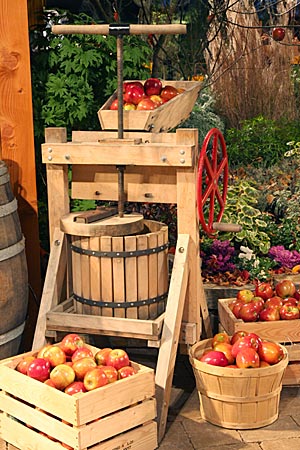 are squashed until the juice can be drained, after this very sugary juice is extracted it’s fermented with yeast to produce alcohol.
Fun Facts about Cider
The Apples Matter Fine heritage cider is made with cider-specific apples. Not the apples you found in your lunchbox.
Like Champagne Some people make ciders like champagne. Really. When you use this fermentation process with a cider, it’s called methode champenoise.
Lots of Apples It takes about 36 apples  to produce one gallon of hard cider.
Drink of the Pilgrims Cider was the drink of the pilgrims,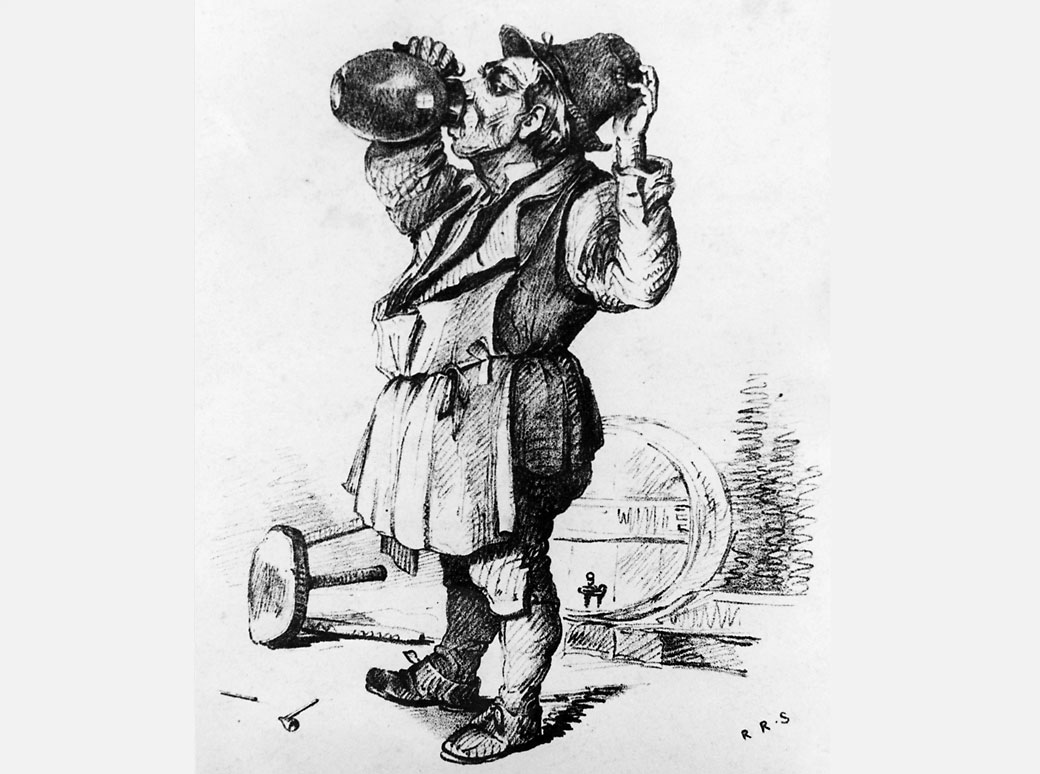 since ground water was potentially dangerous. So the early colonists had just a little more fun than you think.
Range of Flavors Cider doesn’t just taste like apples. In fact, that’s a little like saying that great wine tastes like grapes. It has an aroma and unique set of notes that evoke all sorts of difference tastes – from herbs to grapefruit to caramel.
Spitters is a term of praise. Some great apples 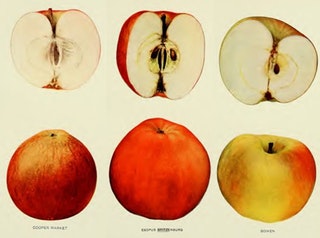 that are perfect for cider making taste just awful if you take a bite. These cider apples are nicknamed after what you will probably do after a bite. Raw, they can taste like a teabag. But they create incredible, sophisticated ciders…
Hard Cider Only Americans feel the need to call it “hard” cider. Everywhere else in the world cider is just cider. Alcoholic cider is the result of a natural fermentation process.
Cider Terroirs Climate, rainfall, soil and temperature all impact the characteristics of fruit.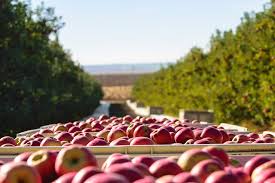 Cider makers are discovering how a single variety can make a different cider when it is grown in different places.
Ancient Roman Technique The first apple presses were re-worked olive presses.
Holy Cider Some say that in the middle ages, babies were baptized in cider because water could be unsanitary.
Gluten Free Cider is naturally gluten-free
Major Brands of Cider
United States ( 2 types)
The Sweet
American Hard Dry Cider Golden in the glass, with aromas of fermented fruit, this cider’s rich nose and full body belie its sharp, tannic finish. Complex and delicious—just right for pairing with autumn’s braised meats.
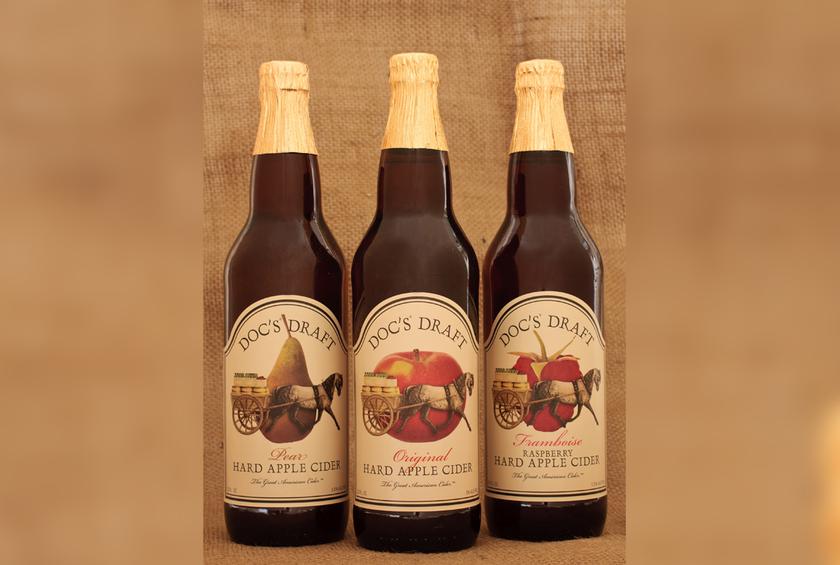
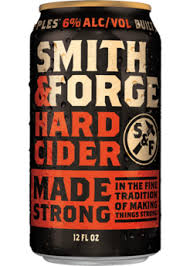
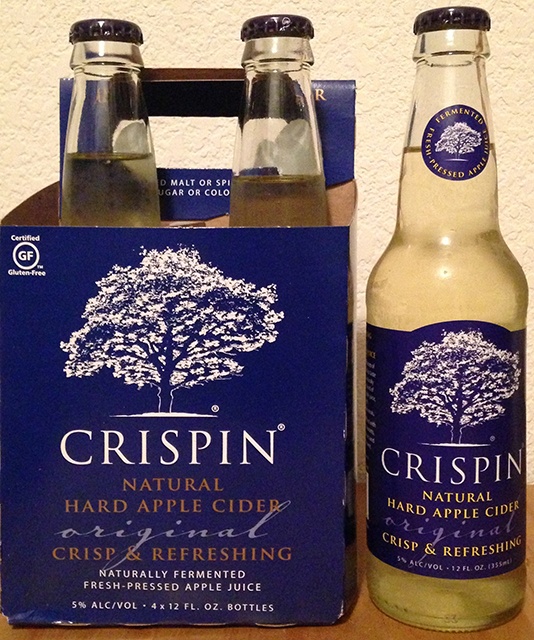
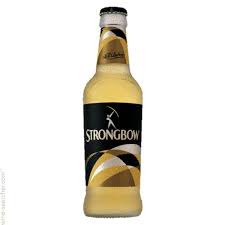
England CIders here are lively but not aggressive carbonation, rounded and soft fruit notes but with a trace of dryness and a long finish make this an accessible but mature cider for beginning to venture away from sweeter styles. One exception is Strongbow. They used to be made on the very dry side, but the American consumer was looking for sweeter versions. Now, most of the Strongbow ciders, I consider sweet.
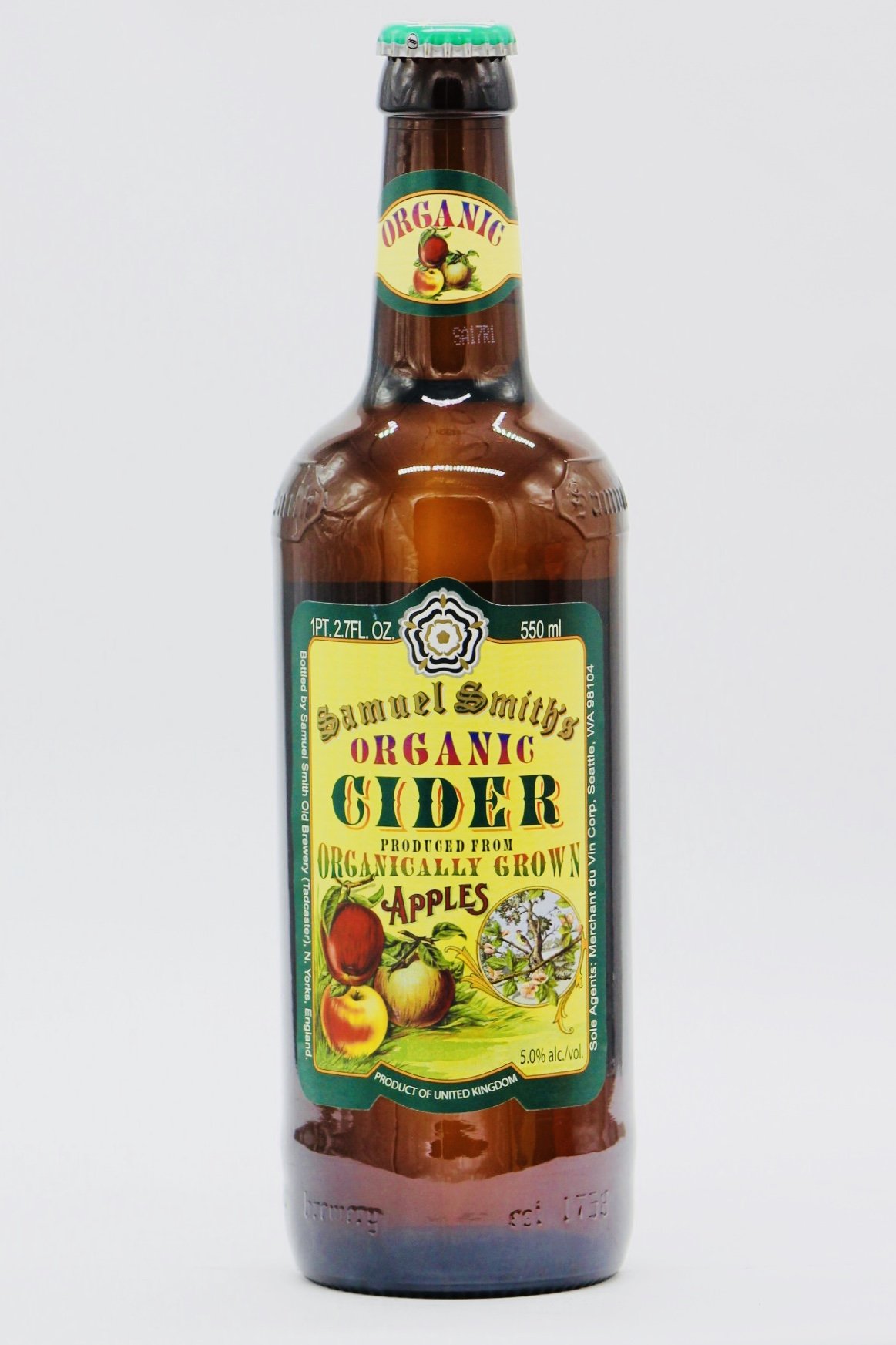
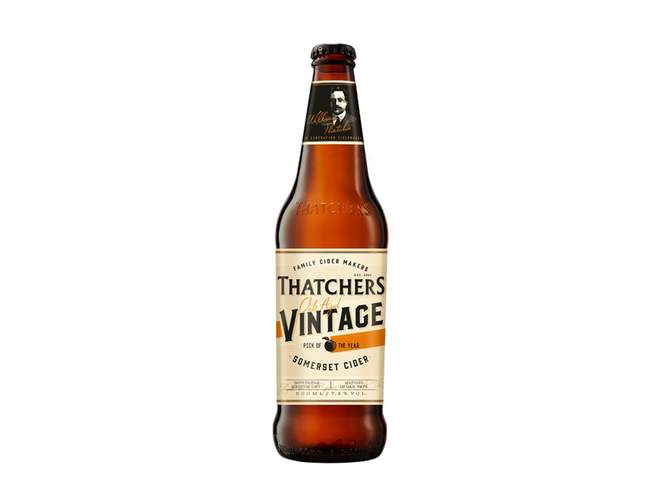
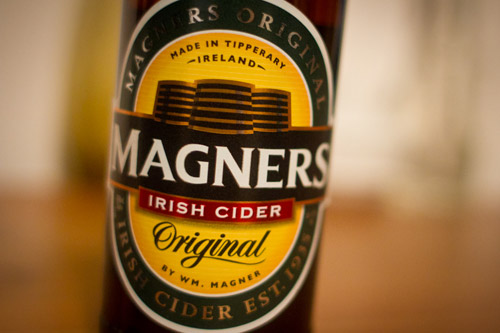
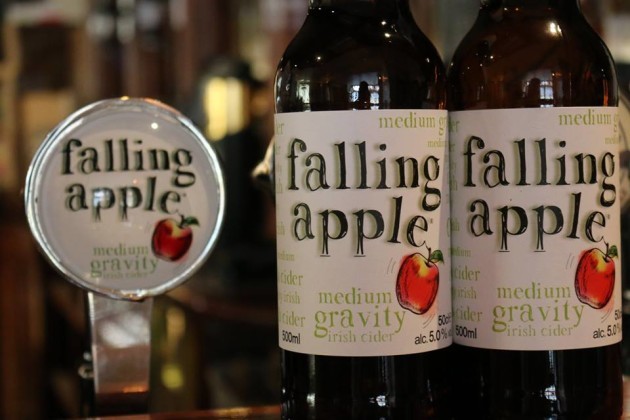
Ireland Semi-sweet to semi-dry. Medium bodied. Low tartness and acidity. Hints of bitterness and tannins. No sourness or funk. The notes didn’t go too beyond apple, with a touch of caramel. Quick finish. Moderate to high apple flavor. High sessionability. Low flavor intensity. Low complexity. Personally, I’ve tried Magners about 4 different times. Each time, I thought I had a bad bottle of their cider. One time, a customer came in the store, who bought Magners. I ask her if I could try one of the bottles from her 4-pack, and in return I gave her a 4-pack on the house. I tasted it, and yep, still didnt like it.
I had her taste it and she said, yep, thats the way it is suppose to taste!