History of Jug Wines

The History of Jug Wines

Jug wine” is a term in the United States for inexpensive tablewine (or “bulk wine“) typically bottled in a glass jug. … Beginning in the 1960s, when Americans began to consume more premiumwinejug wine took on a reputation for being “extreme value” (bargain-priced premium wine).

The King of the Jug Wines is Charlie “Carlo” Rossi, who, though he died in 1994, still reigns over the category today. He peddled a pretty good, mostly honest wine for E & J Gallo Winery until his death at age 90. I say “mostly” honest, because he had less to do with making the wine that bears his name than either he or the Gallo company let on.

But before we can even get into the modern day of Jug wines, we need to take a look at history.

The first thing everyone needs to know about transporting wines is

  • Air must be kept out of the vessel to prevent oxidation.
  • The vessel must be strong enough not to easily break, without being so heavy that it cannot be easily moved (especially when hand labor was the rule).
  • In many cases, the vessel needs to be opened and then resealed.
  • The vessel itself shouldn’t interact with the wine (though we’ll see that a very large asterisk follows this rule).


UInlike the rest of the storage devices we’ll talk about, kvevris (also translated as qvevri) were probably not used for transporting wine. Some historians speculate that they were, but it’s not very likely. Why isn’t it likely? They were quite large and they were buried in the ground to ensure climate control sans electricity. While it’s hard to pin specific dates when archeologists take us this far back in history, we can say with certainty that the Ancient Georgians were using these large, beeswax coated, earthenware vessels as early as 6,000 BC.

So what makes a kvevri so special? Aside from being the oldest storage vessels we’ve discovered to date, they were used in every stage of wine production, from grape crushing to aging. Unfermented grapes, naturally growing in the region, were dumped into a kvevri


Then came the Amphorae

Amphorae were the ancient world’s standardized way to transport wine, olive oil and other prized liquids. Amphorae came in many sizes, similar to both the bulk transport formats we use today as well as the world’s common wine bottle sizes. These wax-lined (pine and bees wax were common) ceramic containers, invented by the Egyptians, were gradually adopted by nearly all the wine drinking/producing civilizations throughout the Mediterranean and Mesopotamian regions. They reached their peak in usage and standardization in ancient Greece and Rome. They were easy to produce and, importantly, easy to transport. Their shape – round with a tapered bottom, two handles and a long, slim neck – served four purposes:

  • The long slim neck reduced the surface area of wine that would be exposed to oxygen.
  • The tapered bottom allowed sediment to collect and the amphora itself to be easily buried when cooler, long-term storage was called for.
  • They fit well in the ships of the day.
  • The handles eased the load of carrying them.

Although the vast majority of wine was stored and transported in barrels well into the twentieth century, in the seventeenth century we see the introduction of the glass bottle and the cork stopper. Advances in glass making allowed for the production of thicker, harder to break glass, and eventually a point was reached where it was safe to store and transport wine in a glass bottle. Early wine bottles had fat bottoms and short necks. Over time the neck grew and length, and the bottom slimmed – and by the 1820s we see shapes that resemble modern wine bottles.In 1821, a company called Rickets of Bristol received a patent for a machine that manufactured identically sized bottles, in a shape we would recognize. While bottles are stylistically varied today, standard bottles hold 750ml of wine. Slightly larger and smaller bottles exist, following regional traditions, but their usage has become increasingly rare. Of course larger format bottles such as Magnums exist as well

Today,   the first really jug glass wine came about in the early 1950’s   It was made by Gallo and it contained Hearty Burgundy

From the California wine industry’s early beginnings in the 19th century, wines were primarily bulk, sold generically by the barrel to Northern California and East Coast retailers, where they were often bottled and labeled with euphemistic names like Chianti and Chablis. Immigrants thirsty for a taste of the old country flocked to their local wineries to fill up gallon jugs for their tables, which is how the name evolved. After Prohibition, more efficient farming methods allowed growers to make bulk wine on an even bigger scale, especially in the Central Valley. But as varietal, cork-finished bottles gained in popularity in the 1960s and beyond, the term “jug wine” soon became synonymous with a mass-produced, inferior product.

Early commercial winemaking in Northern California is largely a story of Italian immigrants. During the first waves of immigration in the second half of the 19th century, Italians tended to make wine wherever they landed, simply because they needed to make it in order to drink it. While some were drawn to California for the Gold Rush and turned to commercial winemaking when they didn’t strike it rich, a later group came in the 1880s and afterward for the express purpose of working in California’s burgeoning wine industry.

One popular destination was the Italian Swiss Colony, a long-gone vineyard and winery near Cloverdale established in the 1880s. The facility offered immigrants jobs working the field and in the wine production, room and board and even part ownership. Workers eventually saved up enough to bring families over and buy land of their own.

Giovanni Foppiano arrived in Healdsburg from Genoa in 1855 and grew vegetables and fruit before purchasing an existing winery in 1896. He produced bulk wine, using generic names evocative of the Old Country, such as Burgundy, Claret and Chablis, a common practice at the time. The wine was actually a blend of Zinfandel, Petite Sirah and Carignane, with some Mission grapes thrown in. It was sent by the barrel to Northern California grocery stores or by train farther afield.

There is still a market for those jug wines.  Most wine retail shops will carry an assortment of Jug wines.  However, recent times have seen the number of different types decreasing.  The start of boxed wines to me, was also the start of the decline of the infamous jug wines.

But, I do believe there will always be place for jug wines in the United States.


Wine Clubs

                              WINE CLUBS

About 15 years ago, there were only 3 or 4 national wine clubs that  you could order from online.   Today, there are dozens upon dozens of them.   Over the years, I’ve belong to several wine clubs.   It was so long ago, I dont even remember the name of the first club I belonged to.    But after trying out several clubs, I came to the same conclusion.    I really dont like wine clubs!

Why?  Each month you would be given a list of wines that you could pick from.   You didnt have to order that month, you could wait until the following month, but it just seemed that most of the wines from these clubs were wines I would not purchase in any store, nor had any desire to try.

But for many people starting out learning and enjoying wines, the wine club is not  a bad idea.

I’ve looked at about 2 dozen wine clubs and from what I could get, the following would be the ones that I would sign up for.    There is a number rating for each club, that I find by digging around.


Firstleaf                   9.8    https://www.firstleaf.club/

Whether you’re a novice wine drinker or a seasoned sommelier, Firstleaf is the only wine club that caters to you. Once you establish your profile, you’ll get great wine, every time, guaranteed.

  • Quiz to help establish your taste palate
  • Wine delivered directly to you door
  • 100% satisfaction guaranteed
  • Choose reds, whites, or mixed
  • Save up to 60% off retail prices
  • Just $5 per bottle


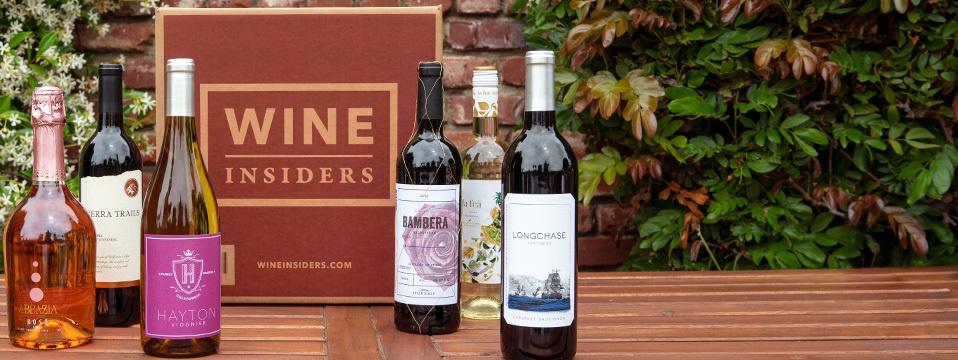
Wine Insiders               9.6

 https://wineinsiders.com/

oin Wine Insiders and start your journey with their hand selected highlight bottle and 15 exceptional wines at the lowest price of any club.

  • Features 15 expertly-selected wines for $89.99 ($329.84 value)
  • 3 bonus bottles of Les Chartrons Bordeaux Supérieur
  • Choose between red, white, or mixed packs of wine
  • Complete tasting notes with every bottle
  • Free shipping on first order
  • Free Professional Grade Corkscrew with second order ($44.99 value)
  • 100% Money-back Double Guarantee
  • No obligations, cancel or skip at any time
  • Digital tasting notes available
  • Just $5.99 per bottle


Amazing Clubs    9.5    http://www.amazingclubs.com

Are you looking for a wine club to impress the wine lover in your life? With Amazing Clubs Wine Club, you get the highest quality of boutique and international wines delivered monthly.

  • Two Full-Sized Bottles of Hard-to-Find, Premium Wines
  • Wine of the Season Club Option with Quarterly Delivery
  • Free Shipping in the Continental U.S.
  • “They’ll Love It” Guarantee
  • Personalized gift announcements
  • Red, white, and mixed options
  • $17 per bottle


Winc                    9.4      https://www.winc.com

Winc is perfect for wine enthusiasts that want to learn more about your wine preferences and select from recommended bottles for your taste profile.

New memberships start at just $32 for 4 bottles (save $22)

  • Determine custom taste profile in 6 questions
  • Select individual bottles with tailored wine recommendations
  • 100% Satisfaction guarantee
  • No obligations, cancel or skip at any time
  • Just $13 per bottle


WSJWine             9.3                    https://www.wsjwine.com

WSJwine delivers top-rated wines including a 97-point Super Tuscan “an absolute masterpiece” and California Cabernet from “one of the iconic wineries of Napa” according to Robert Parker.

  • 15 fantastic wines for $69.99 ($259.99 value)
  • Free five-piece corkscrew set ($49.99 value)
  • Choose between red, white, or mixed packs of wine
  • No obligations, cancel at any time
  • Just $5.83 per bottle


Laithwaites                   9.2      https://www.laithwaiteswine.com

Laithwaite’s 4 Season Wine Club is perfect for anyone that wants to enjoy delicious wine and not think about it any further.

  • 15 fantastic wines for $69.99 ($189.99 value)
  • Free expert tasting wines on every bottle
  • Choose between red, white, or mixed packs of wine
  • Change selections or skip cases at any time
  • 100% satisfaction guarantee on every bottle
  • Just $5.84 per bottle


Bright Cellars                9.1    

https://www.brightcellars.com

When you take Bright Cellar’s quiz, you’ll be matched with wines that fit your taste. Review wines to improve your matches.

  • Try 4 new wines each month
  • Algorithm matches wine to your preferences
  • Personal Bright Cellars Wine Concierge
  • Boutique wines from Italy, Spain, Portugal & South America
  • Skip a month or cancel at anytime
  • Delight guarantee will replace any bottle you don’t lov


Tasting Room               8.8                     https://www.tastingroom.com

Forbes Wine Club by Tasting Room offers incredible flexibility that focuses on your wine preferences and taste from a name you can trust.

  • Rate six mini-bottles to start and create your wine profile
  • Select how many bottles you want and delivery frequency
  • Choose between red, white, and mixed packs
  • Evaluate all the wines you receive for personalized selections
  • Sourced from 10 different countries
  • Earn rewards by referring friends
  • 100% Satisfaction guarantee
  • No obligations, cancel or skip at any time
  • Just $9 per bottle


Nocking Point               8.7   

https://nockingpointwines.com

Drink what the celebrities drink with Nocking Point Wine Club. Each shipment is hand-picked and has a special celebrity guest’s seal of approval.

  • Wines are crafted by a celebrity winemaker
  • Free bag of micro-roasted coffee and t-shirt included in each order
  • Shipments are delivered directly to you door
  • Friendly customer-service team to help with any questions
  • Free Shipping on all orders


Wine of Month  8.6         https://www.wineofthemonthclub.com

Join the original monthly wine club and have a tasting adventure every month with Wine of the Month Club’s shipments of premium wines from around the world.

  • Memberships start at just $23.96
  • Skip or cancel anytime
  • Never pay for a wine you don’t like – simply exchange it
  • Boutique wines from Napa Valley & around the world
  • Just $12 per bottle


STILL MY CHOICE  

WTSO  – Wines Til Sold Old    

https://www.wtso.com     

You sign up for the service via email.   Each day you will get a number of emails detailing a particular wine.  With the purchase of 4 bottles, shipping is always free.  You are not obligated to purchase any wine at any time.   I’ve gone through months of looking at the offerings without purchasing one, then I might find one week, where I pick up about a dozen wines.

The best way to detail WTSO is to give you a link with all of its features  https://www.wtso.com/features

Holiday Gift Wines

Wine Suggestions for Holiday Gifts

During the holiday season many people select wines as the gift for some of their friends.   While this can be a fun experience, it can also be very confusing for some.     The first thing you need to identify is the people that you are buying the wine gift for.

Are they new to wines?
Do they enjoy wines and have it daily?
Are they really into wines and know alot about them?

Those are three different categories of people and the wines you would select for those would also be different.

I will start with a selection of wines for people who are new to wines and are just starting out to enjoy them.

Blends:  Red or White.  These are probably the easiest wines for people to enjoy.  You could just be starting out with wine, or you could be very familiar with wine.  Blends are the one type of wine that would please almost anyone on your list.  Most of the good blends will cost between $9.99 and $14.99.  No need to spend more.

Some of the Red Blends that I have tasted and under $15 are

Bogle Essential Red
Apothic Red
Menage a Trois
19 Crimes Red Blend
Ca’ Momi Rosso

Some of the White Blends that I have tasted and under $15 are

New Age White
14 Hands Hot to Trot
Wolftrap Wite
Apothic White
Menage a Trois

You also can never go wrong purchasing some Sparkling wine as a gift.  I stay
away from true French Champagnes, since they can be pretty pricey.   But here are some nice Sparkling wines under $20

Note:  Brut means bone dry,  Extra Dry means there is a touch of sweetness to the wine

Korbell Brut
Freexenet Cordon Negro Brut or Extra Dry
Mionetto Prosecco
French Cremant

People that know their wines and enjoy them ($12-$25 range)

Reds

J Lohr Cabernet Sauvignon
Beaulieu Vineyard Cabernet Sauvignon
Benzinger Cabernet Sauvignon
Block Nine Pinot Noir
Erath Pinot Noir
Penfold Shiraz

Whites

Simi Chardonnay
Ferrari Carano Fume Blanc
Chateau St Michelle Sauvignon Blanc
Santa Margherita Pinot Grigio
Verdicchio dei Castelli di Jesi
Trebianno

People that really love wine and are have their own collections  ($25-$??)

Reds

Alexander Valley Cabernet Sauvignon
BR Cohen Cabernet Sauvignon
Francis Coppola Claret
Decoy Pinot Noir
Earthquake Petite Syrah
Cakebread Cabernet Sauvignon
Caymus Cabernet Sauvignon
Justin Isocles Cabernet Sauvignon
Italian Barolos ($$)
Italian Super Tuscans (many $25 – $200)
Tenuta SanGuido Sassicaia  (Super Tuscan – $200)
French Bordeaux ($25 – $1000)  try to go with 3rd and 4th growth wines

Whites

Caymus Condundrum
La Crema Chardonnay
Landmark Chardonnay
Bonnet French White
Italian Gavi
Girard Sancerre
Dominque Roger Sancerre
Château Lafaurie-Peyraguey (Sauterne)
Château Climens (Barsac)
Château d’Yquem  (Sauterne $$$$$)

Champagnes

Moët & Chandon
Veuve Clicquot
Taittinger
G.H., Mumm

Fortified Wines  (Ports and Sherries)

Taylor Tawny Port 20 year old
Grahams Ruby Port
Dry Sack Sherry


* Veritas-Health

Veritas-Health LLC

I have been a Chronic Pain patient since 1978.   Its almost as long as I have had a strong passion for wine.   I figured that any discussions that I have about wine and such, really needs to include my life as a chronic pain patient.   Living as a chronic pain patient also meant living with opioids of some dosages on a daily basis.  Because of this, I have had to adjust any wine or beverage consumption.

In 2006, I had several herniated thoracic discs.  At that time, there was not much information about this condition on the internet.  I signed up for Spine-Health to get more information.   They had more than anyone else did at the time.

I became very involved with the forums at Spine-Health, so that in 2008, they made me a Forums moderator.    The company grew adding more pain web sites and formed Veritas-Health LLC.   In 2015, because of this growth, they hired me on as a freelance contractor.

I am presently the Forums Manager for all of these sites

Spine-Health          http://www.spine-health.com/forums

Spine-Health provides detailed Medical articles and videos that cover almost every possible condition, treatment and information regarding Spinal problems.
Importantly, Spine-Health believes that providing the highest-quality patient education on the Internet helps spine specialists serve their patients; they believe that a well-educated patient will heal faster and have fewer recurrences of back pain, and believe that all of this can be achieved without commercial bias.
spine-Health also provide a forums area in which users can interact and share information across a wide variety of pain related subjects. We do not pre-screen the age of our users, as pain related conditions can afflict any age group and users of any age can benefit from the sharing of information and ideas.

Arthritis-Health    https://www.arthritis-health.com/

Since, besides being a spinal patient I have severe and degrading Osteoarthritis, which there is no cure.  Over the years, this condition resulted in both total shoulder replacements and both total hip replacements, and as of now, I am being faced with a total right knee replacement.

What makes Arthritis-Health unique is

  • 100% original, peer-reviewed content
    All of the content on Arthritis-health.com is original and written specifically for Arthritis-health users, members of the general public who are searching for accurate and unbiased information about arthritis. Further, the content is reviewed by at least one member of the Medical Advisory Board before being added to the site. The peer-reviewed process helps ensure that the articles are accurate, complete, balanced and free from commercial influence.
  • Comprehensive information and services
    Arthritis-health.com provides in-depth coverage of the most common issues that patients ask about and is frequently updated with new and useful information including: clear animations of anatomy, conditions, procedures, and more.
  • Independence
    Arthritis-health.com educates patients in a straightforward, informative manner without bias. Unlike other health portals, Arthritis-health.com is not owned or directed by companies that sell health/medical condition related products or medication. None of the articles are written or influenced by companies trying to sell or solicit business. All advertisements and sponsorships are clearly identified and labeled. We do not make any claims relating to the benefit or performance of any specific brand of medical treatment, product, or service. Our articles aim to present the user with comprehensive information but always remind the user to discuss with his or her physician about which treatment or product is best for his or her condition.

Pain-Health              https://www.pain-health.com

Since I’ve been a chronic pain patient for over 40 years and for most of that time, I’ve been on/off opioids, pain management and medication is very important to me.   This site:

  • 100% original, peer-reviewed content
    All of the content on Pain-health.com is original and written specifically for Pain-health users, members of the general public who are searching for accurate and unbiased information about chronic pain. Further, the content is reviewed by at least one member of the Medical Advisory Board before being added to the site. The peer-reviewed process helps ensure that the articles are accurate, complete, balanced and free from commercial influence.
  • Comprehensive information and services
    Pain-health.com provides in-depth coverage of the most common issues that patients ask about and is frequently updated with new and useful information including: clear animations of anatomy, conditions, procedures, and more.
  • Independence
    Pain-health.com educates patients in a straightforward, informative manner without bias. Unlike other health portals, Pain-health.com is not owned or directed by companies that sell health/medical condition related products or medication. None of the articles are written or influenced by companies trying to sell or solicit business. All advertisements and sponsorships are clearly identified and labeled. We do not make any claims relating to the benefit or performance of any specific brand of medical treatment, product, or service. Our articles aim to present the user with comprehensive information but always remind the user to discuss with his or her physician about which treatment or product is best for his or her condition.


Pork Medallion over Arugula

Pork Medallion over Arugula


4-6   Think Pork Cutlets    

½ cup Italian Bread crumbs
½ cup Panko
¼ cup Grated Parmesan cheese
1 tbsp Fresh Lemon Juice

Large bunch of fresh Arugula


Salt/Pepper
Fresh Lemon slices
Oil/Vinegar
1/2 tbs Dijon Mustard
1/4 tbs Mayonnaise
Italian Parmesan cheese

Instructions: 

Pound cutlets between two sheets of parchment paper to paper thin
Salt/Pepper both sides
Mix mustard and mayonnaise together
Drizzle a little olive oil on one side, rub it in to both sides
Rub mustard/mayonnaise mixture on both sides of medallions
Mix Bread Crumbs/Panko/Grated cheese in a plate
Dredge each cutlet into mixture, move to a plate (when done refrigerated)

Heat ¼ Oil Olive in Non Stick Frying pan over medium to mild high temp
Add Pork medallions, do not crowed, if necessary do in batches
Cook for 2 minutes; turn over then another 2 minutes
Transfer to plate to keep warm


Arrange Arugula on a large platter
Salt and Pepper
Squeeze about 1 tbsp. fresh lemon juice
Pour Oil/Vinegar dressing over Arugula
Arrange Pork Medallions over Arugula
Garnish with lemon wedges and fresh parsley

Add Shaved fresh Parmesan cheese 


Serve with a Dry Riesling

  • Can be done with Chicken cutlets as well


Laura

i   Laurawines

Wine, food and travel journalist
Vinitaly International Italian Wine Ambassador
Certified Sommelier WSET level 3 advanced
North American Sommelier Association / World Sommelier Association
Communication and P.R. expert
Founder and Owner LA COM P.R. and Marketing Wine Agency www.lacom.us

Wine judge in international wine competitions

She is Director of Wine education for the Pacific National Food and Beverage Museum.

Most recently Laura Donadoni is an honorable Knight of the Order of the Truffle and the Wines of Alba, a prestigious historic order of ambassadors of authentic Piedmont typical products and wines in the world.

Directly from Laura’s website  About

I have to tell you I kinda like wine…..

I grew up squeezing grapes with my little feet in the family small winery in Bergamo, Italy.  I have wine in my Dna. And as I became a woman, I got passionate about good food, too. Tough life, huh?

I have to tell you I kinda like writing…

I am a journalist: radio, tv, newspapers, blog, never stop writing, telling stories, communicate!

I have to tell you I kinda like traveling…

After Europe and Africa, I ended up in California and I’m gonna stay for a while.I think that the real richness is knowledge, and I think the deepest knowledge of the world is your direct experience!

Olive Oil

                                  Olive Oil

What is olive oil?  Olive oil is fat obtained from the fruit of the Olea Europaea (olive tree) from the Mediterranean region.

Olive oil tastes great when its fresh.  But olives are highly perishable, and their complex flavor degrades quickly, which makes producing and handling , a top notch oil time-sensitive, labor-intensive, and expensive!

Olive oils are graded by production method, acidity content, and flavor. The International Olive Oil Council (IOOC) sets quality standards that most olive-oil-producing countries use, but the United States does not legally recognize these benchmarks. Instead, the U.S. Department of Agriculture uses a different system that was set up before the IOOC existed. However, American olive growers and oil importers are encouraging the USDA to adopt standards similar to those of the IOOC.

Olive oil is grown in many different countries, here are some of the best Olive Oils in the world

Spanish olive oil is typically golden yellow with a fruity, nutty flavor. Spain produces about 45 percent of the world’s olive supply.


Italian  olive oil is often dark green and has an herbal aroma and a grassy flavor. Italy grows about 20 percent of the world’s olives.


Greek olive oil packs a strong flavor  and aroma and tends to be green. Greece produces about 13 percent of the world’s olive supply.


French olive oil is typically pale in color and has a milder flavor than other varieties.


Californian olive oil is light in color and flavor, with a bit of a fruity taste.


Types of Olive Oils
Extra virgin    ( best for salads , dipping in bread, etc)
Premium extra virgin
Extra virgin
Virgin                ( good for salads, can use in cooking)
Fine Virgin
Virgin
Semifine virgin    (not for uncooked sishes, ie salads)
Olive Oil
Pure Olive Oil
Refined olive oil
Lite Olive Oils
These oils do not mean that they contain less fat or are for diets!   They just   go through an additional filtration process to remove most of the natural color,  aroma and flavor.  This makes this type perfect for all types of cooking and baking.

Acidity Levels %
Premium extra-virgin olive oil      0.225
Extra-virgin olive oil                           0.8
Fine virgin olive oil                              1.5
Virgin olive oil                                       2.0   or less
Semifine virgin olive oil                   3.3   (no higher)
Refined oil oil                                       Greater than  3.3


How to Store Olive OIl
Because of olive oil’s high monounsaturated fat content, it can be stored longer than most other oils.   I like to treat my olive oils, the same way I treat and store my wines.  When choosing your storage location, remember that heat, air, and light are the enemies of oil.

Unlike wine, oil does not improve with age. As olive oil gets older, it gradually breaks down, more free oleic acid is formed, the acidity level rises, and flavor weakens. Extra-virgin oils keep better because they have a low acidity level to start with, but you should use lower-quality oils within months because they start out with higher acidity levels. As oil sits on your shelf, its acidity level rises daily, and soon it is not palatable.  You’ll get the best quality and flavor from your olive oil if you use it within a year of pressing. Olive oil remains at its peak for about two or three months after pressing.

While in Italy in 2008, we visited the “PIG Farm” in Tuscany.   A farmer and his family that has olive trees and grape vines to make local Olive oil and wine

Crushing the Olives
All of us watching the olives being crushed
Olives
Stacking the olive discs
Watching the farmer stack
The Finall Press
The Start and the Finish


Olive Oil!


Sources:

https://recipes.howstuffworks.com/how-olive-oil-works2.htm

https://www.americastestkitchen.com/articles/499-everything-you-need-to-know-about-olive-oil


Wine Varietals

Listing of the Major Wine Grapes in the World

Albariño

Spanish white wine grape that makes crisp, refreshing, and light-bodied wines.

Aligoté

White wine grape grown in Burgundy making medium-bodied, crisp, dry wines with spicy character.

Amarone

From Italy’s Veneto Region a strong, dry, long- lived red, made from a blend of partially dried red grapes.

Arneis

A light-bodied dry wine the Piedmont Region of Italy

Asti Spumante

From the Piedmont Region of Italy, A semidry sparkling wine produced from the Moscato di Canelli grape in the village of Asti

Auslese

German white wine from grapes that are very ripe and thus high in sugar

Banylus

A French wine made from late-harvest Grenache grapes and served with chocolate or dishes with a hint of sweetness. By law the wine must contain 15 percent alcohol.

Barbaresco

A red wine from the Piedmont Region of Italy, made from Nebbiolo grapes it is lighter than Barolo.

Bardolino

A light red wine from the Veneto Region of Italy. Blended from several grapes the wine garnet in color, dry and slightly bitter, sometimes lightly sparkling.

Barolo

Highly regarded Italian red, made from Nebbiolo grapes. It is dark, full-bodied and high in tannin and alcohol. Ages well.

Beaujolais

Typically light, fresh, fruity red wines from and area south of Burgundy, near Lyons, in eastern France. Areas: Beaujolais-Blanc, Beaujolais Villages, Brouilly, Chénas, Chiroubles, Fleurie, Juliénas, Mouliné-àVent, Morgon, Regnie, Saint Amour.

Blanc de Blancs

Champagne or white wine made from white grapes.

Blanc de Noirs

White or blush wine or Champagne made from dark grapes.

Blush

American term for rosé. Any wine that is pink in color.

Boal or Bual

Grown on the island of Madeira, it makes medium-sweet wines.

Brunello

This strain of Sangiovese is the only grape permitted for Brunello di Montalcino, the rare, costly Tuscan red. Luscious black and red fruits with chewy tannins.

Cabernet Franc

Red wine grape used in Bordeaux for blending with Cabernet Sauvignon. It is an earlier-maturing red wine, due to its lower level of tannins. Light- to medium-bodied wine with more immediate fruit than Cabernet Sauvignon and some of the herbaceous odors evident in unripe Cabernet Sauvignon.

Cabernet Sauvignon

Currant, Plum, Black Cherry & Spice, with notes of Olive, Vanilla Mint, Tobacco, Toasty Cedar, Anise, Pepper & Herbs. Full-bodied wines with great depth that improve with aging. Cabernet spends from 15 to 30 months aging in American & French Oak barrels which tend to soften the tannins, adding the toasty cedar & vanilla flavors.

Carignan

Known as Carignane in California, and Cirnano in Italy. Once a major blending grape for jug wines, Carignan’s popularity has diminished though it still appears in some blends. Old vineyards are sought after for the intensity of their grapes.

Carmenere

Also known as Grande Vidure, once widely planted in Bordeaux. Now primarily associated with Chile. Carmenere, was imported to Chile in the 1850’s. Carmenere has been frequently mislabeled snf many growers and the Chilean government consider it Merlot.

Cava

Spanish sparkling wine. Produced by the méthode champenoise.

Charbono

Mainly found in California (may possibly be Dolcetto), this grape has dwindled in acreage. Often lean and tannic. Few wineries still produce it.

Champagne

Champagne is the only wine that people accept in such a multitude of styles. Champagnes can range from burnt, carmely oxidized to full bodied fruit and yeast characters to light and citrusy, and everything in between. Then each of these wines can be altered in its amount of residual sweetness from a bone-chilling dryness to sugar syrup. Bottle age will also alter the weight and character of each of these styles.

Chardonnay

Apple, Pear, Vanilla, Fig, Peach, Pineapple, Melon, Citrus, Lemon, Grapefruit, Honey, Spice, Butterscotch, Butter & Hazelnut. Chardonnay takes well to Oak aging & barrel fermentation and is easy to manipulate with techniques such as sur lie aging & malolactic fermentation.

Châteauneuf-du-Pape

The most famous wines of the southern Rhône Valley, are produced in and around the town of the same name (the summer residence of the popes during their exile to Avignon). The reds are rich, ripe, and heady, with full alcohol levels and chewy rustic flavors. Although 13 grape varieties are planted here, the principal varietal is Grenache, followed by Syrah, Cinsault and Mourvèdre (also Vaccarese, Counoise, Terret noir, Muscardin, Clairette, Piquepoul, Picardan, Rousanne, Bourboulenc).

Chenin Blanc

Native of the Loire where it’s the basis of the famous whites: Vouvray, Anjou, Quarts de Chaume and Saumer. In other areas it is a very good blending grape. Called Steen in South Africa and their most-planted grape. California uses it mainly as a blending grape for generic table wines. It can be a pleasant wine, with melon, peach, spice and citrus. The great Loire wines, depending on the producer can be dry and fresh to sweet.

Chianti

From a blend of grapes this fruity, light ruby-to-garnet-colored red may be called Chianti Riserva when aged three or more years.

Chianti Classico

From a designated portion of the Chianti wine district. To be labeled Chianti Classico, both vineyard and winery must be within the specified region.

Claret

British term for red Bordeaux wines.

Colombard (French Colombard)

The second most widely planted white variety in California, nearly all of it for jug wines. It produces an abundant crop, nearly 11 tons per acre, and makes clean and simple wines.

Constantia

This legendary sweet wine from South Africa, was a favorite of Napoleon. It comes from an estate called Groot Constantia.

Cortese

White wine grape grown in Piedmont and Lombardy. Best known for the wine, Gavi. The grape produces a light-bodied, crisp, well-balanced wine.

Dolcetto

From northwest Piedmont it produces soft, round, fruity wines fragrant with licorice and almonds.

Eiswein

“Ice wine,” A sweet German wine, made from grapes that have frozen on the vine. Freezing concentrates the sugars in the grapes prior to harvesting.

Frascati

An Italian fruity, golden white wine, may be dry to sweet.

Fumé Blanc

see Sauvignon Blanc

Gamay

Beaujolais makes its famous, fruity reds exclusively from one of the many Gamays available, the Gamay Noir à Jus Blanc. Low in alcohol and relatively high in acidity, the wines are meant to be drunk soon after bottling; the ultimate example of this is Beaujolais Nouveau, whipped onto shelves everywhere almost overnight. It is also grown in the Loire, but makes no remarkable wines. The Swiss grow it widely, for blending with Pinot Noir; they often chaptalize the wines.

Gamay Beaujolais

A California variety that makes undistinguished wines. Primarily used for blending.

Gattinara

A Piedmont red made from Nebbiolo blended with other grapes. Powerful and long-lived.

Gewürztraminer

A distinctive floral bouquet & spicy flavor are hallmarks of this medium-sweet wine. Grown mainly in Alsace region of France & Germany, and also in Californ>ia, Eastern Europe, Australia, and New Zealand.

Grappa

An Italian spirit distilled from pomace. Dry and high in alcohol, it is an after dinner drink.

Grenache

Used mainly for blending and the making of Rose and Blush Wines in California, while in France it is blended to make Chateauneuf-du-Pape. Originally from Spain is the second most widely grown grape in the world. It produces a fruity, spicy, medium-bodied wine.

Johannisberg Riesling

See Riesling

Kir

An aperitif from the Burgundy Region of France. A glass of dry white wine and a teaspoon of crème de cassis make this popular drink. To make Kir Royale, use champagne or sparkling wine.

Lambrusco

A fizzy, usually red, dry to sweet wine from northern Italy, made from the grape of the same name.

Liebfraumilch

A blended German white, semisweet and fairly neutral, which accounts for up to 50 percent of all German wine exports.

Madeira

A fortified wine named for the island on which its grapes are grown. The wine is slowly heated in a storeroom to over 110ºF, and allowed to cool over a period of months. Styles range from dry apéritifs, from the Sercial grape, to rich and sweet Boal and Malmsey.

Malbec

Once important in Bordeaux and the Loire in various blends, this not-very-hardy grape has been steadily replaced by Merlot and the two Cabernets. However, Argentina is markedly successful with this varietal. In the United States Malbec is a blending grape only, and an insignificant one at that, but a few wineries use it, the most obvious reason being that it’s considered part of the Bordeaux-blend recipe.

Marc

A distilled spirit made from pomace that is known by different names around the world. Italy calls it grappa; in Burgundy, Marc de Bourgogne; in Champagne, Marc de Champagne. Dry and high in alcohol, typically an after dinner drink.

Marsala

Made from Grillo, Catarratto, or Inzolia grapes, this Sicilian wine may be dry or sweet and is commonly used in cooking.

Marsanne

A full-bodied, moderately intense wine with spice, pear and citrus notes. Popular in the Rhône & Australia (especially Victoria) has some of the world’s oldest vineyards. California’s “Rhône-Rangers” have had considerable success with this variety.

Mead

Common in medieval Europe, a wine made by fermenting honey and water. Wine makers now making flavored meads.

Meritage

Registered in 1989 with the U.S. Department of Trademarks and Patents by a group of vintners, who sought to establish standards of identifying red & white wines made of traditional Bordeaux grape blends. They needed a name for these wines since 75% of a single variety is not used, therefore the label could not state a particular variety of grape. Meritage was chosen because it was a combination of two words, merit and heritage. To be called a meritage, the wine must: Blend two or more Bordeaux grape varieties: Red wines/ Cabernet Franc, Cabernet Sauvignon, Carmenere, Gros Verdot, Malbec, Merlot, Petite Verdot & St. Macaire. White wines/ Sauvignon Blanc, Muscadelle and Sémillon. Have less than 90% of any single variety. Be the winery’s best wine of its type. Be produced and bottled by a United States winery from grapes carrying a U.S. appellation. Be limited to a maximum of 25,000 cases produced per vintage.

Merlot

Herbs, Green Olive, Cherry & Chocolate. Softer & medium in weight with fewer tannins than Cabernet and ready to drink sooner. Takes well to Oak aging. It is frequently used as a blending wine with Cabernet to soften

Montepulciano

A medium to full-bodied wine, with good color and structure. Known for its quality and value.

Moscato

see Muscat

Mourvedre

A pleasing wine, of medium-weight, with spicy cherry and berry flavors and moderate tannins. Often used in Châteauneuf-du-Pape.

Müller-Thurgau

A cross of two grapes, Sylvaner and Riesling. Mainly grown in Germany, Northern Italy, and New Zealand. Light in color, and can be dry to medium dry.

Muscat

Also known as Muscat Blanc and Muscat Canelli. With pronounced spice and floral notes it can also be used for blending. A versatile grape that can turn into anything from Asti Spumante and Muscat de Canelli to a dry wine like Muscat d’Alsace.

Nebbiolo

The great grape of Northern Italy, which excels there in Barolo and Barbaresco, strong, ageable wines. Mainly unsuccessful elsewhere, Nebbiolo also now has a small foothold in California. So far the wines are light and uncomplicated, bearing no resemblance to the Italian types.

Petit Verdot

From the Bordeaux Region of France it is used for blending with Cabernet Sauvignon.

Petite Sirah

Plum & blackberry flavors mark this deep, ruby colored wine. Usually full-bodied with chewy tannins. Used in France & California as a blending wine. Not related to the Syrah of France.

Pinot Blanc

Similar flavor and texture to Chardonnay it is used in Champagne, Burgundy, Alsace, Germany, Italy and California and can make a excellent wines. It can be intense, and complex, with ripe pear, spice, citrus and honey notes.

Pinot Grigio/Pinot Gris

At its best this varietal produces wines that are soft, perfumed with more color than most other white wines. Grown mainly in northeast Italy, but as Pinot Gris it is grown in Alsace & known as Tokay.

Pinot Meunier

Grown in the Champagne region of France, it is blended with Pinot Noir and Chardonnay to add fruit flavors to champagne.

Pinot Noir

This is the great, noble grape of Burgundy. Difficult to grow but at its best it is smooth & richer than Cabernet Sauvignon with less tannin. Raisin like flavors with undertones of black cherry, spice & raspberry. Widely used in the making of champagne sparkling wines.

Pinotage

A cross between Pinot Noir and Cinsault. Grown in South Africa. Fermented at higher temperatures and aged in new oak for finesse and wonderful berry flavors.

Port

Fortified wine from the Douro region of Portugal. Styles include: Late Bottle (LB), Tawny, Ruby, Aged, and Vintage. Mostly sweet and red.

Retsina

Dry white Greek wine flavored with pine resin. Dating back to ancient Greece, it is an acquired taste. Dominant flavor is turpentine. Riesling Flavors of apricot & tropical fruit with floral aromas are characteristics of this widely varying wine.  Styles range from dry to sweet.

Rosé

Sometimes called blush. Any light pink wine, dry to sweet, made by removing the skins of red grapes early in the fermentation process or by mixing red and white

Roussanne

A white wine grape of the northern Rhône Valley, mainly for blending with the white wine grape Marsanne.

Sangiovese

Known for its supple texture, medium to full-bodied spice flavors, raspberry cherry & anise. Sangiovese is used in many fine Italian wines including Chianti.

Sauterns

A blend of mostly Sémillon and Sauvignon Blanc grapes, affected by Botrytis cinerea, which concentrates the wine’s sweetness and alcohol.

Sauvignon Blanc

Grassy & herbaceous flavors and aromas mark this light and medium-bodied wine, sometimes with hints of gooseberry & black currant. In California it is often labeled Fume Blanc. New Zealand produces some of the finest Sauvignon Blancs in a markedly fruity style.

Sémillon

The foundation of Sauternes, and many of the dry whites of Graves and Pessac-Léognan. It can make a wonderful late-harvest wine, with complex fig, pear, tobacco and honey notes. As a blending wine it adds body, flavor and texture to Sauvignon Blanc. It may be blended with Chardonnay, but does not add much to the flavor.

Sherry

Fortified wine from the Jerez de la Frontera district in southern Spain. Palomino is the main grape variety, with Pedro Ximénez used for the sweeter, heavier wines. Drier Sherries are best served chilled; the medium-sweet to sweet are best at room temperature. Ranging from dry to very sweet, the styles are: Manzanilla, Fino, Amontillado, Oloroso, Pale Cream, Cream, Palo, and Pedro Ximénez. Shiraz/Syrah Black cherry, spice, pepper, tar & leather with smooth tannins & supple texture make this wine a growing favorite. With early drinking appeal it also has the ability to age well to form more complex wines.

Soave

A straw-colored dry white wine Italy’s Veneto Region. Symphony Symphony is a U. C. Davis clone. In 1948, the Muscat of Alexandria and Grenache Gris grapes were combined to create this delicate Muscat flavor. It’s very distinctive

Tokay

See Pinot Gris.

Traminer

German word for grapes. See Gewürztraminer.

Trebbiano

Trebbiano in Italy and Ugni Blancin France. Found in almost any basic white Italian wine, and is actually a sanctioned ingredient of the blend used for Chianti. In France, it is often called St.Émilion, and used for Cognac and Armagnac brandy.

Ugni Blanc

See Trebbiano

Valpolicella

A light, semidry red from Italy’s Veneto Region, typically drunk young.

Verdicchio

Italian white that produces a pale, light-bodied, crisp wine.

Viognier

Viognier, is one of the most difficult grapes to grow. It makes a floral and spicy white wine, medium to full-bodied and very fruity, with apricot and peach aromas.

Zinfandel

With predominant raspberry flavors and a spicy aroma, Zinfandels can be bold and intense as well as light and fruity. It takes well to blending bringing out flavors of cherry, wild berry & plum with notes of leather, earth & tar. It is the most widely grown grape in California. Much of it is turned into White Zinfandel, a blush wine that is slightly sweet.

Information provided from:    http://www.wines.com/wine-varietals/