

Aging your Wines

Wines like people age very differently. Some of us get to those golden years very gracefully and in fact look and act better than when they were young. Then there are some that as they age, its obvious that they are losing something every day. Since people age, then our wines should also age along with us.
Basic questions:
What wine you can age?
How do you keep it ?
When is too old?
I think the first question that everyone needs answers to is What wines can you age? Not all wines are made for aging, and even some wines made from similar grapes do not age that well.
Average aging for the following wines. (shown in years) https://winefolly.com/tutorial/collecting-age-worthy-wine/
Red Wines:

Nebbiolo ~20 (Italian wines from Piedmont , ie Barolo)
Cabernet Sauvignon ~10–20

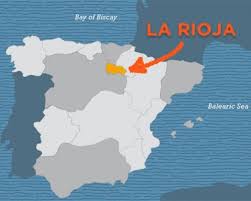
Tempranillo ~10–20 (Spanish Riojas)
Sangiovese ~7–17 (Italian Chiantis, Super Tuscans)

Merlot ~7–17
Syrah ~5–15
Pinot Noir ~10
Malbec ~10
Zinfandel ~5
White Wines
White Rioja ~10–15

Chardonnay ~10
Trebbiano ~8
Sémillon ~7 (Mostly used in blending)
Sauvignon Blanc ~4
Viognier ~4 
Muscadet ~3
Pinot Gris ~3
Dessert and Fortified Wines

Tawny Port ~150
Madeira ~150
Vintage Port ~50–100
Sherry ~75
Hungarian Tokaji Aszu ~20–30
German/Alsatian Riesling ~15–25 (Beerenauslese, Trockenbeerenauslese )

French Sauternes ~15–25
Now, that you have an idea of what type of grapes/wine are suited for aging, you are all set. RIght? No, because even if you took any one of the above wines and put them in the wrong area, they would not age gracefully and you would be totally disappointed. So, How do you keep it ?  so it will age correctly. Instead of repeating everything, just jump over to my other section on http://rdilauro.com/CarpeVino/2018/08/18/storing-wine/
So, now you understand which wines can potentially age better than others, you also have a basic knowledge of the proper conditions that will help those wines age gracefully, but know, the big question is When is too old? There are several factors involved, but again, it helps to understand some basics here.
Wine is perishable and capable of deteriorating, there are complex chemical reactions involving a wine’s sugars, acids and tannins that influence this. This aging can alter the aroma, color, mouthfeel and taste of the wine in a way that may be more pleasing to the taster.
So, how many years do I keep it? When is enough enough? Again, like people, wines slowly move  up to their potential, they start to peak and then unfortunately, those glory times start to fade and the wines slowly lose all their glory and eventually become just an simple ordinary glass of wine (if that).
When I was first trained in wines in the 1970’s, it was basically centered around the classic French bordeaux. We talked about those wines lasting 10, 15 or more years. I have had some 1st growth French Bordeaux that were over 40 years old. They will still ruby red, soft, rich, pleasant tannins and totally unbelievable! As my wine experience grew, California wines were becoming more popular. The Napa Valley Cabernet Sauvignons were nightmares while they were young. So heavy on tannins, that it made those wine almost impossible to drink and enjoy. But you knew that those tannins were an indicator that the wine could age for a very long time and eventually mellow out. But how long is that? I’ve made the mistake several times in allowing wines to age too long. I had some Napa Cabernet’s from the mid 1980s that I kept until 2000 or so. Besides dealing with so many cork problems, most of those wines were not even drinkable.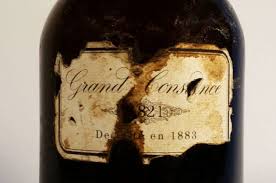
Fast forward to the year 2000 and onward . There were changes in California wines and even French wines. The trend was making wines to be consumed earlier, by that I mean totally drinkable and peaking in a shorter period of time. So, many Cabernet Sauvignon’s were ready to drink within 5 years and after 10 years there were well on their way downhill. So, now, unless there is an exceptional vintage year from California, I do not cellar those Cabs or other full reds (ie Merlot, Petite-Sirah, Cabernet Franc) for more than 7 years.
The way I handle all of this now is purchasing several bottles of the same wine that I intend to age. I like to start with at least 6. I will taste the first one as soon as I bought it. This way I would have a good indicator of the structure and the potential longevity of the wine. Then I put them to bed and about every 18 months or so , I would open another bottle. This way I have a pretty good idea of where the wine was going, had it peaked yet and how much longer I should age it. When I have a wine that is still showing strong youth and promise, I will buy another 6 bottles.
Overall, aging of wines should be a fun project. But since there is generally an financial investment involved, you should know the basics of what you are doing.
Happy Aging.
You know, Stallion? It’s too bad we gotta get old, huh?
