When is it time

When is the right time to drink your wine?

This question has been asked over and over.    Normally there are two parts to this question.   One is when  is it the best time to drink that wine
(Vintage Year) and secondly, is it time now, should I wait. (Wine Life Span)

Most wine publications produce various Wine Vintage Charts that will help you to determine

What year was the best
Should I drink it now
Should I hold the wine till later

This varies between wines, countries, regions and much more.


This is just one example of what a wine vintage chart can look like.  Overall it can get very confusing.

Vintage charts summarize the quality and character of the wines from a particular region in a specific year. They are by necessity general in nature, but can help consumers make good choices when faced with unfamiliar wines. They also help collectors determine when their wines will be drinking well.
(from Wine Spectator)

Normal tags associated wine various vintage years are:

Drink Now  – Essentially means to drink that vintage year now
Drink or Hold – You can drink it now, but it still will last for more years
Hold –   Dont drink it, instead hold on to the wine for later years
Past Peak –  Go ahead and drink it now, it wont get any better

Each country, region, wine type will have the Vintage year with one of the recommendations.   The higher the number, the better the wines attributes should be.  Normally, wine lovers only select wines with a rating over 90.
This is an example of Italian wines from the Piedmont region of Italy.

2011 93 Drink or hold Rich, fleshy Barolos and balanced Barbarescos; the best have vibrant structures for aging. A fine year for Barbera
2010 97 Hold A cool growing season and ideal weather before harvest; pure, elegant and structured reds, with fine potential for aging

Two very important things to remember regarding Vintage charts and Wine Ratings:

  1. The fact that a wine has a very high rating, does NOT mean that this wine is
    is special and that you will automatically love it.  A wine rating of 95 for a
    wine from this Piedmont region of Italy, does not mean you are going to like it.
    You might be quite satisfied with a lower rating from a wine in a region or     grape type that you like.
  2. Wine ratings are like reviews on cars, restaurants and many other products.
    Many times these ratings get influenced by manufacturers, producers, distributors, etc.    At the wine retail shop I worked for in Brookfield, CT, the owner always wanted to display wines with a 90 rating or higher.    These ratings basically come from three sources  (Wine Spectator, Robert  Parker, and Wine Enthusiast).    You will find some wines that have an above 90 rating from one of those three, but yet have a below 90 from another source.   I always like wines that all three sources basically had the same rating.    One thing I introduced at this retail store, was a Store Selection Rating.   After tasting the wine, we would put our own rating.  But instead of a number value, we gave a A, B, C rating like your grades in school.

Here are some of the general accepted ratings for wine:

  • 96 to 100 points – Extraordinary wines that display all attributes you’d expect to find in this variety; wines worth the extra effort to find, purchase, and consume.
  • 90 to 95 points – This is the “outstanding” category and are considered terrific buys.
  • 80 to 89 points – Barely above average wines that have some finesse, flavor, and character, but they have no noticeable flaws.
  • 70 to 79 points – Average wines that are soundly made and straightforward.
  • 60 to 69 points – Below average wines that have noticeable character flaws; are often awkward and lacking in flavor.
  • 50 to 59 points – These are unacceptable wines.

In general, I always paid more attention to the Vintage year rating.   Because of the many variables in producing wines, the year is important.  The year could be a perfect year for wine growing.  It could have a lot of sun, or too much rain, or at harvest time, it was too cold.   All of these factors play a lot in determining the rating of a given vintage year

So, my message here is to pay more attention to a rating or trait that is given to a particular vintage years.   And also remember, that the rating for any given vintage year varies.  What might be an excellent year for California Napa Valley Cabernet Sauvignon,  might be below average from a French Bordeaux.

Now that we have a basic understanding of Vintage Years and Wine Ratings, lets get into what I call a Wine’s Life Span

In reality, this is not much different than what we can map against a humans life span.  When we  are  young , we are full of action, a bit awkward, making bold harsh decisions.  As we mature, we become more mellow and easier to take.  Then as we get older and older we start to fade.

Really, not much different than the life span of a wine.  So the key  is to know the perfect time to drink that wine, at is  peak.  Nothing says that if you drink the wine too early or too late that you will not like it.  But drinking it at is prime can result in so much satisfaction.


Of course, I need to state, that different types of wine, are going to go through this life span at different times.   For instance, a Sauvignon Blanc life span is quick.  Perhaps the best time to drink one of those is about 2 years after the vintage year.   But for California Cabernet Sauvignon or French Bordeaux, those wines might not reach their peak for 10 or 15 years after the bottling date.

In general, white wines go through this life span much quicker then reds.  Normally the fuller the wine, the longer life span the wine will have.  A Chardonny might not peak until 4 years after bottling date, where as a full red will last that much longer.

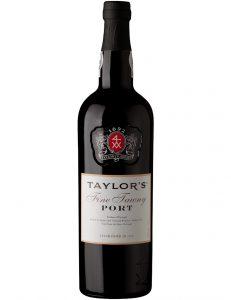
I love PORT wines.   I’ve recently purchased a half case of

Pincas 2011 Vintage Port

This Port wine has a 99 rating from and while you can drink it now, it will be at its best in 2030 and will continue to out perform into 2045.

The one mistake I have mad many times is holding onto a wine too long.


So then when it was time to drink it, it was very disappointing, where take that same wine and drink it at is prime and you have a golden gem.

Knowing the exact right time can be very tricky.  But by using some of the information I provided above, your decision will be at least an educated one.

Oak Barrels

The History of OAK Barrels and Wine

The oak wine barrel is one of the most recognizable symbols associated with wine. We have romanticized the barrel and the act of aging wine inside of it to such a degree, that after the barrels have been used for their intended purpose we often turn them into tables, benches, planters and even candle holders. Yet the reason we began aging wine in oak barrels in the first place was not intentional, but the result of a happy accident. For millennia, the clay amphora was the storage medium of choice for transporting wine

The practice of using amphorae continued in the Greek and then the Roman Empire. As the Romans pushed north into Europe, and away from the Mediterranean, transporting the clay amphorae grew increasingly difficult. While the Romans were aware of palm wood barrels, the price and difficulty of bending the wood made them a poor choice. When the Romans encountered the Gauls, they found a group of people who were using wooden barrels, often made of oak, to transport beer.

The Romans quickly realized they had found a solution to their amphora issue. While other woods were used, oak was popular for a number of reasons. First, the wood was much softer and easier to bend into the traditional barrel shape than palm wood, thus the oak only needed minimal toasting and a barrel could be created much faster. Second, oak was abundant in the forests of continental Europe. And finally, oak, with its tight grain, offered a waterproof storage medium. The transition to wooden barrels was swift. In less than two centuries, tens of millions of amphorae were discarded.

The porous nature of an oak barrel allows evaporation and oxygenation to occur in wine but typically not at levels that would cause oxidation or spoilage. The typical 59-gallon(225-liter) barrel can lose anywhere from 5​12 to 6​12 gallons (21 to 25 liters) (of mostly alcohol and water) in a year through evaporation. This allows the wine to concentrate its flavor and aroma compounds. Small amounts of oxygen are allowed to pass through the barrel and act as a softening agent upon the wine’s tannins.

The chemical properties of oak can have a profound effect on wine. Phenols within the wood interact to produce vanilla type flavors and can give the impression of tea notes or sweetness. The degree of “toast” on the barrel can also impart different properties affecting the tannin levels as well as the aggressive wood flavors.

Where OAK comes from

Oak trees are typically between 80–120 years old prior to harvesting with the ideal conditions being a cool climate in a dense forest region that gives the trees opportunity to mature slowly and develop a tighter grain. Typically one tree can provide enough wood for two 225-litre (59 US gal) barrels. The trees are typically harvested in the winter months when there is less sap in the trunk.

Parts of an Oak Barrel


Charring Oak Barrels

Last time we looked at the differences between new oak versus neutral oak wine barrels. New oak imparts lots of flavors to wine. But after about three vintages, the oak no longer imparts flavor so it is called neutral oak.

Much of the flavor imparted by the oak occurs naturally from the raw wood. But winemakers learned long ago that by “toasting” the inside of an oak barrel, they can enhance these flavors.

After a barrel is built, its inside can be exposed to fire to “toast” it. This is done either over an open flame or using a hand-held torch. The fire ‘caramelizes’ the wood’s natural sugars and brings out complex compounds. From this, the wine will ultimately take on flavors that are toasty, charred, spicy and sweet depending on the amount of time the wood is toasted.

A lightly toasted barrel spends about 25 minutes exposed to flame while a heavily toasted barrel may get up to one hour of flame exposure.

Essentially, the heavier the toast, the stronger and more varied are the imparted flavors:

Light Toasting – Vanilla, coconut, caramel, clove and cinnamon

Medium Toasting – Vanilla, honey, caramel, toast, coffee, cocoa

Heavy Toasting – Vanilla, espresso, smoke, crème brûlée, butterscotch, toffee, molasse

Major areas will top Oak is harvested and made into wine barrels

France
In France, both the Quercus robur (common oak) and Quercus petraea (white oak) are considered apt for wine making, however, the latter is considered far superior for its finer grain and richer contribution of aromatic components like vanillin and its derivates, methyl-octalactone and tannins, as well as phenols and volatile aldehydes.

French oak typically comes from one or more primary forests: Allier, Limousin, Nevers, Tronçais and Vosges. The wood from each of these forests has slightly different characteristics. Many winemakers utilize barrels made from different cooperages, regions and degrees of toasting in blending their wines to enhance the complexity of the resulting wine.[9]

Hungary
The trees in the Hungarian Zemplén Mountains grow slower in the volcanic soil and smaller, creating fine tight grain which sequentially lends itself to a very delicate extraction.

The hemicellulose in the Hungarian oak breaks down more easily, and conveys an exceptional selection of toasted, vanilla, sugary, woody, spicy and caramel-like flavors – imparting these aromas with less intensity, and slower than American or French oak.

United States
The species of oak typically used for American oak production is the Quercus alba which is a white oak species that is characterized by its relatively fast growth, wider grains and lower wood tannins. It is found in most of the Eastern United States as well as MissouriMinnesota and Wisconsin where many wine barrels are from. In Oregon the Quercus garryana white oak has started to gain usage due to its closer similarities to European oak.

The major differences between various oak

American oak tends to be more intensely flavored than French oak with more sweet and vanilla overtones due to the American oak having two to four times as many lactones.[8] Winemakers choose American oak typically for bold, powerful reds, base wines for “assemblage”, or for warm climate Chardonnays. Besides being derived from different species, a major difference between American and French oak comes from the preparation of the wood. The tighter grain and less watertight nature of French oak obliges coopers to split the wood along the grain. The wood is then aged or “seasoned” for 24 to 36 months in the open air, in a so-called wood-yard.

French oak, on the other hand, generates silky and transparent tannins, which transmit a sensation of light sweetness combined with fruity flavors that persist in the mouth. Spices and toasted almond are noteworthy, combined with flavors of ripe red fruit in red wines, and notes of peach, exotic fruits and floral aromas like jasmine and rose in whites, depending on the grape variety employed.

Not just wine

Bourbon and Tennessee whiskeys are aged in American Oak.  Scotch whiskey
is  normally aged in European Oak.   These barrels are either toasted (Europe)
or charred (USA)


Toasting both mellows the tannins in the wood, as well as changes the flavors the barrel might impart from raw wood to more spicy, vanilla notes—toasting actually helps release vanillin from the cellulose in the wood. There are varying degrees of toasting—from a light toast to a heavy toast and, as you might imagine, that changes the way they can influence a wine. Essentially, the heavier the toast, the stronger the barrel’s flavors..

The word “Charred” implies that something has gone past toasting to partially burning, and indeed charred barrels look black inside—they are about an eighth of an inch charred. Charred barrels aren’t really used for wine, but they are a part of bourbon production. That charred wood ends up becoming a sort of activated carbon filter, which can help remove sulfur compounds from a whisky, and make a smoother drink. Charred barrels also impart a darker color, smoky notes as well as caramel, honey and plenty of spicy accents.

Beer aged in Oak Barrels

From imperial stouts to lagers, almost every beer style on Earth is now being aged in wood.  So many craft brewers are using old whiskey barrels (and rum barrels and tequila barrels and wine barrels) to add layers of nuance to their brews.


Fun things to do with small oak barrels

The standard size of a wine oak barrel can cost up to $2,500   So, that may not be feasible for everyday usage for people.  But there are different sizes that can be used by anyone for more exciting beverages.   One of the easiest  is
to make your whiskey based cocktails.   Making a bourbon or rye Manhattan and storing it in one of those small oak barrels will give you an extra and pleasing flavor


You can also try making your own  vinegar.  Starting with the vinegar “mother” adding wine or other ingredients you can make your own delicious wine vinegar and more complex balsamic vinegar.


The beauty of Wine Barrels in Caves


  • Majority of the details contained in these post comes from Wikipedia

Wine Varietals

Listing of the Major Wine Grapes in the World

Albariño

Spanish white wine grape that makes crisp, refreshing, and light-bodied wines.

Aligoté

White wine grape grown in Burgundy making medium-bodied, crisp, dry wines with spicy character.

Amarone

From Italy’s Veneto Region a strong, dry, long- lived red, made from a blend of partially dried red grapes.

Arneis

A light-bodied dry wine the Piedmont Region of Italy

Asti Spumante

From the Piedmont Region of Italy, A semidry sparkling wine produced from the Moscato di Canelli grape in the village of Asti

Auslese

German white wine from grapes that are very ripe and thus high in sugar

Banylus

A French wine made from late-harvest Grenache grapes and served with chocolate or dishes with a hint of sweetness. By law the wine must contain 15 percent alcohol.

Barbaresco

A red wine from the Piedmont Region of Italy, made from Nebbiolo grapes it is lighter than Barolo.

Bardolino

A light red wine from the Veneto Region of Italy. Blended from several grapes the wine garnet in color, dry and slightly bitter, sometimes lightly sparkling.

Barolo

Highly regarded Italian red, made from Nebbiolo grapes. It is dark, full-bodied and high in tannin and alcohol. Ages well.

Beaujolais

Typically light, fresh, fruity red wines from and area south of Burgundy, near Lyons, in eastern France. Areas: Beaujolais-Blanc, Beaujolais Villages, Brouilly, Chénas, Chiroubles, Fleurie, Juliénas, Mouliné-àVent, Morgon, Regnie, Saint Amour.

Blanc de Blancs

Champagne or white wine made from white grapes.

Blanc de Noirs

White or blush wine or Champagne made from dark grapes.

Blush

American term for rosé. Any wine that is pink in color.

Boal or Bual

Grown on the island of Madeira, it makes medium-sweet wines.

Brunello

This strain of Sangiovese is the only grape permitted for Brunello di Montalcino, the rare, costly Tuscan red. Luscious black and red fruits with chewy tannins.

Cabernet Franc

Red wine grape used in Bordeaux for blending with Cabernet Sauvignon. It is an earlier-maturing red wine, due to its lower level of tannins. Light- to medium-bodied wine with more immediate fruit than Cabernet Sauvignon and some of the herbaceous odors evident in unripe Cabernet Sauvignon.

Cabernet Sauvignon

Currant, Plum, Black Cherry & Spice, with notes of Olive, Vanilla Mint, Tobacco, Toasty Cedar, Anise, Pepper & Herbs. Full-bodied wines with great depth that improve with aging. Cabernet spends from 15 to 30 months aging in American & French Oak barrels which tend to soften the tannins, adding the toasty cedar & vanilla flavors.

Carignan

Known as Carignane in California, and Cirnano in Italy. Once a major blending grape for jug wines, Carignan’s popularity has diminished though it still appears in some blends. Old vineyards are sought after for the intensity of their grapes.

Carmenere

Also known as Grande Vidure, once widely planted in Bordeaux. Now primarily associated with Chile. Carmenere, was imported to Chile in the 1850’s. Carmenere has been frequently mislabeled snf many growers and the Chilean government consider it Merlot.

Cava

Spanish sparkling wine. Produced by the méthode champenoise.

Charbono

Mainly found in California (may possibly be Dolcetto), this grape has dwindled in acreage. Often lean and tannic. Few wineries still produce it.

Champagne

Champagne is the only wine that people accept in such a multitude of styles. Champagnes can range from burnt, carmely oxidized to full bodied fruit and yeast characters to light and citrusy, and everything in between. Then each of these wines can be altered in its amount of residual sweetness from a bone-chilling dryness to sugar syrup. Bottle age will also alter the weight and character of each of these styles.

Chardonnay

Apple, Pear, Vanilla, Fig, Peach, Pineapple, Melon, Citrus, Lemon, Grapefruit, Honey, Spice, Butterscotch, Butter & Hazelnut. Chardonnay takes well to Oak aging & barrel fermentation and is easy to manipulate with techniques such as sur lie aging & malolactic fermentation.

Châteauneuf-du-Pape

The most famous wines of the southern Rhône Valley, are produced in and around the town of the same name (the summer residence of the popes during their exile to Avignon). The reds are rich, ripe, and heady, with full alcohol levels and chewy rustic flavors. Although 13 grape varieties are planted here, the principal varietal is Grenache, followed by Syrah, Cinsault and Mourvèdre (also Vaccarese, Counoise, Terret noir, Muscardin, Clairette, Piquepoul, Picardan, Rousanne, Bourboulenc).

Chenin Blanc

Native of the Loire where it’s the basis of the famous whites: Vouvray, Anjou, Quarts de Chaume and Saumer. In other areas it is a very good blending grape. Called Steen in South Africa and their most-planted grape. California uses it mainly as a blending grape for generic table wines. It can be a pleasant wine, with melon, peach, spice and citrus. The great Loire wines, depending on the producer can be dry and fresh to sweet.

Chianti

From a blend of grapes this fruity, light ruby-to-garnet-colored red may be called Chianti Riserva when aged three or more years.

Chianti Classico

From a designated portion of the Chianti wine district. To be labeled Chianti Classico, both vineyard and winery must be within the specified region.

Claret

British term for red Bordeaux wines.

Colombard (French Colombard)

The second most widely planted white variety in California, nearly all of it for jug wines. It produces an abundant crop, nearly 11 tons per acre, and makes clean and simple wines.

Constantia

This legendary sweet wine from South Africa, was a favorite of Napoleon. It comes from an estate called Groot Constantia.

Cortese

White wine grape grown in Piedmont and Lombardy. Best known for the wine, Gavi. The grape produces a light-bodied, crisp, well-balanced wine.

Dolcetto

From northwest Piedmont it produces soft, round, fruity wines fragrant with licorice and almonds.

Eiswein

“Ice wine,” A sweet German wine, made from grapes that have frozen on the vine. Freezing concentrates the sugars in the grapes prior to harvesting.

Frascati

An Italian fruity, golden white wine, may be dry to sweet.

Fumé Blanc

see Sauvignon Blanc

Gamay

Beaujolais makes its famous, fruity reds exclusively from one of the many Gamays available, the Gamay Noir à Jus Blanc. Low in alcohol and relatively high in acidity, the wines are meant to be drunk soon after bottling; the ultimate example of this is Beaujolais Nouveau, whipped onto shelves everywhere almost overnight. It is also grown in the Loire, but makes no remarkable wines. The Swiss grow it widely, for blending with Pinot Noir; they often chaptalize the wines.

Gamay Beaujolais

A California variety that makes undistinguished wines. Primarily used for blending.

Gattinara

A Piedmont red made from Nebbiolo blended with other grapes. Powerful and long-lived.

Gewürztraminer

A distinctive floral bouquet & spicy flavor are hallmarks of this medium-sweet wine. Grown mainly in Alsace region of France & Germany, and also in Californ>ia, Eastern Europe, Australia, and New Zealand.

Grappa

An Italian spirit distilled from pomace. Dry and high in alcohol, it is an after dinner drink.

Grenache

Used mainly for blending and the making of Rose and Blush Wines in California, while in France it is blended to make Chateauneuf-du-Pape. Originally from Spain is the second most widely grown grape in the world. It produces a fruity, spicy, medium-bodied wine.

Johannisberg Riesling

See Riesling

Kir

An aperitif from the Burgundy Region of France. A glass of dry white wine and a teaspoon of crème de cassis make this popular drink. To make Kir Royale, use champagne or sparkling wine.

Lambrusco

A fizzy, usually red, dry to sweet wine from northern Italy, made from the grape of the same name.

Liebfraumilch

A blended German white, semisweet and fairly neutral, which accounts for up to 50 percent of all German wine exports.

Madeira

A fortified wine named for the island on which its grapes are grown. The wine is slowly heated in a storeroom to over 110ºF, and allowed to cool over a period of months. Styles range from dry apéritifs, from the Sercial grape, to rich and sweet Boal and Malmsey.

Malbec

Once important in Bordeaux and the Loire in various blends, this not-very-hardy grape has been steadily replaced by Merlot and the two Cabernets. However, Argentina is markedly successful with this varietal. In the United States Malbec is a blending grape only, and an insignificant one at that, but a few wineries use it, the most obvious reason being that it’s considered part of the Bordeaux-blend recipe.

Marc

A distilled spirit made from pomace that is known by different names around the world. Italy calls it grappa; in Burgundy, Marc de Bourgogne; in Champagne, Marc de Champagne. Dry and high in alcohol, typically an after dinner drink.

Marsala

Made from Grillo, Catarratto, or Inzolia grapes, this Sicilian wine may be dry or sweet and is commonly used in cooking.

Marsanne

A full-bodied, moderately intense wine with spice, pear and citrus notes. Popular in the Rhône & Australia (especially Victoria) has some of the world’s oldest vineyards. California’s “Rhône-Rangers” have had considerable success with this variety.

Mead

Common in medieval Europe, a wine made by fermenting honey and water. Wine makers now making flavored meads.

Meritage

Registered in 1989 with the U.S. Department of Trademarks and Patents by a group of vintners, who sought to establish standards of identifying red & white wines made of traditional Bordeaux grape blends. They needed a name for these wines since 75% of a single variety is not used, therefore the label could not state a particular variety of grape. Meritage was chosen because it was a combination of two words, merit and heritage. To be called a meritage, the wine must: Blend two or more Bordeaux grape varieties: Red wines/ Cabernet Franc, Cabernet Sauvignon, Carmenere, Gros Verdot, Malbec, Merlot, Petite Verdot & St. Macaire. White wines/ Sauvignon Blanc, Muscadelle and Sémillon. Have less than 90% of any single variety. Be the winery’s best wine of its type. Be produced and bottled by a United States winery from grapes carrying a U.S. appellation. Be limited to a maximum of 25,000 cases produced per vintage.

Merlot

Herbs, Green Olive, Cherry & Chocolate. Softer & medium in weight with fewer tannins than Cabernet and ready to drink sooner. Takes well to Oak aging. It is frequently used as a blending wine with Cabernet to soften

Montepulciano

A medium to full-bodied wine, with good color and structure. Known for its quality and value.

Moscato

see Muscat

Mourvedre

A pleasing wine, of medium-weight, with spicy cherry and berry flavors and moderate tannins. Often used in Châteauneuf-du-Pape.

Müller-Thurgau

A cross of two grapes, Sylvaner and Riesling. Mainly grown in Germany, Northern Italy, and New Zealand. Light in color, and can be dry to medium dry.

Muscat

Also known as Muscat Blanc and Muscat Canelli. With pronounced spice and floral notes it can also be used for blending. A versatile grape that can turn into anything from Asti Spumante and Muscat de Canelli to a dry wine like Muscat d’Alsace.

Nebbiolo

The great grape of Northern Italy, which excels there in Barolo and Barbaresco, strong, ageable wines. Mainly unsuccessful elsewhere, Nebbiolo also now has a small foothold in California. So far the wines are light and uncomplicated, bearing no resemblance to the Italian types.

Petit Verdot

From the Bordeaux Region of France it is used for blending with Cabernet Sauvignon.

Petite Sirah

Plum & blackberry flavors mark this deep, ruby colored wine. Usually full-bodied with chewy tannins. Used in France & California as a blending wine. Not related to the Syrah of France.

Pinot Blanc

Similar flavor and texture to Chardonnay it is used in Champagne, Burgundy, Alsace, Germany, Italy and California and can make a excellent wines. It can be intense, and complex, with ripe pear, spice, citrus and honey notes.

Pinot Grigio/Pinot Gris

At its best this varietal produces wines that are soft, perfumed with more color than most other white wines. Grown mainly in northeast Italy, but as Pinot Gris it is grown in Alsace & known as Tokay.

Pinot Meunier

Grown in the Champagne region of France, it is blended with Pinot Noir and Chardonnay to add fruit flavors to champagne.

Pinot Noir

This is the great, noble grape of Burgundy. Difficult to grow but at its best it is smooth & richer than Cabernet Sauvignon with less tannin. Raisin like flavors with undertones of black cherry, spice & raspberry. Widely used in the making of champagne sparkling wines.

Pinotage

A cross between Pinot Noir and Cinsault. Grown in South Africa. Fermented at higher temperatures and aged in new oak for finesse and wonderful berry flavors.

Port

Fortified wine from the Douro region of Portugal. Styles include: Late Bottle (LB), Tawny, Ruby, Aged, and Vintage. Mostly sweet and red.

Retsina

Dry white Greek wine flavored with pine resin. Dating back to ancient Greece, it is an acquired taste. Dominant flavor is turpentine. Riesling Flavors of apricot & tropical fruit with floral aromas are characteristics of this widely varying wine.  Styles range from dry to sweet.

Rosé

Sometimes called blush. Any light pink wine, dry to sweet, made by removing the skins of red grapes early in the fermentation process or by mixing red and white

Roussanne

A white wine grape of the northern Rhône Valley, mainly for blending with the white wine grape Marsanne.

Sangiovese

Known for its supple texture, medium to full-bodied spice flavors, raspberry cherry & anise. Sangiovese is used in many fine Italian wines including Chianti.

Sauterns

A blend of mostly Sémillon and Sauvignon Blanc grapes, affected by Botrytis cinerea, which concentrates the wine’s sweetness and alcohol.

Sauvignon Blanc

Grassy & herbaceous flavors and aromas mark this light and medium-bodied wine, sometimes with hints of gooseberry & black currant. In California it is often labeled Fume Blanc. New Zealand produces some of the finest Sauvignon Blancs in a markedly fruity style.

Sémillon

The foundation of Sauternes, and many of the dry whites of Graves and Pessac-Léognan. It can make a wonderful late-harvest wine, with complex fig, pear, tobacco and honey notes. As a blending wine it adds body, flavor and texture to Sauvignon Blanc. It may be blended with Chardonnay, but does not add much to the flavor.

Sherry

Fortified wine from the Jerez de la Frontera district in southern Spain. Palomino is the main grape variety, with Pedro Ximénez used for the sweeter, heavier wines. Drier Sherries are best served chilled; the medium-sweet to sweet are best at room temperature. Ranging from dry to very sweet, the styles are: Manzanilla, Fino, Amontillado, Oloroso, Pale Cream, Cream, Palo, and Pedro Ximénez. Shiraz/Syrah Black cherry, spice, pepper, tar & leather with smooth tannins & supple texture make this wine a growing favorite. With early drinking appeal it also has the ability to age well to form more complex wines.

Soave

A straw-colored dry white wine Italy’s Veneto Region. Symphony Symphony is a U. C. Davis clone. In 1948, the Muscat of Alexandria and Grenache Gris grapes were combined to create this delicate Muscat flavor. It’s very distinctive

Tokay

See Pinot Gris.

Traminer

German word for grapes. See Gewürztraminer.

Trebbiano

Trebbiano in Italy and Ugni Blancin France. Found in almost any basic white Italian wine, and is actually a sanctioned ingredient of the blend used for Chianti. In France, it is often called St.Émilion, and used for Cognac and Armagnac brandy.

Ugni Blanc

See Trebbiano

Valpolicella

A light, semidry red from Italy’s Veneto Region, typically drunk young.

Verdicchio

Italian white that produces a pale, light-bodied, crisp wine.

Viognier

Viognier, is one of the most difficult grapes to grow. It makes a floral and spicy white wine, medium to full-bodied and very fruity, with apricot and peach aromas.

Zinfandel

With predominant raspberry flavors and a spicy aroma, Zinfandels can be bold and intense as well as light and fruity. It takes well to blending bringing out flavors of cherry, wild berry & plum with notes of leather, earth & tar. It is the most widely grown grape in California. Much of it is turned into White Zinfandel, a blush wine that is slightly sweet.

Information provided from:    http://www.wines.com/wine-varietals/

Shapes

                                  Wine Bottles Come in All Shapes

Wine bottles come in all shapes and sizes, from tall and slender to short and stout. And while the bottle shape doesn’t make a difference in terms of impacting the wine’s flavor, the bottle chosen does often represent a good amount of history and tradition that reflects back to where the wine is made.
So, by just looking at the shape of a bottle, you can almost immediately say what kind of grape was being used.

Here are the basic categories of wine bottle shapes

High Shoulder, Claret style   –  Bordeaux,  Cabernet Sauvignon, Merlot, Syrah

Claret Style


Sloped  – Red and White Burgundies

Burgundy (Red or White)


Tall Slender –  Rieslings and other German style wines

Other wine bottle shapes

Port  (similar to the Claret bottle)


Rose ( Cote de Provence)


Champagne


Size Counts

    Wine Bottles of all Sizes

Wine is always a very interesting subject.   There is so much about wine that you need to discover to completely understand and appreciate everything about this fermented juice.   Its not necessary to learn all about wine to enjoy it  because drinking wine is really where the enjoyment starts and ends.

There are some interesting facts about wine bottles.   They come in different sizes, Why? and they come in different shapes and at times colors Why?

Lets first talk about the sizes.

Wine bottle dimensions and wine bottle shapes vary. Wine bottles typically measure 3 to 3.2 inches in diameter and are about 12 inches tall. Champagne comes in slightly larger containers that measure up to 3.5 inches in diameter and closer to 12.5 inches tall in 750-milliliter amounts.

When you go into your local wine retail shop and are looking for a bottle of wine for dinner, you normally would select the standard  bottle  which is the .750  (n the older days, it was called a 5th)

750ml =  25.3605 oz
5th       =  25.6 oz           (size became illegal in 1980)

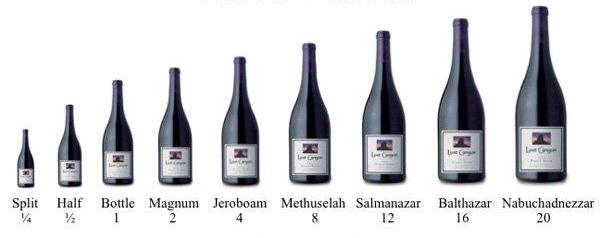
But I am sure you have seen bigger bottles.  Many people refer to them as double bottles, but the correct term is magnum.   It doesnt stop there, there are bigger and bigger bottles, here is a quick breakdown of the different sizes

Split  (Half Bottle)           375ml
Bottle (standard)            750ml
Magnum                             1.5 litres     or   2 bottles
Double Magnum            3.0 litres     or  4 bottles
Jeroboam                          4.5 litres     or   6 bottles
Methuselah                      6.0 litres     or   8 bottles
Salmanazar                      9.0 litres     or  12 bottles
Balthazar                         12.0 litres    or   16 bottles
Nebuchadnezzar         15.0 litres    or  20 bottles

As you can tell, some of these names are a bit strange.   The strange ones are named after biblical kings.   Here are some myths or stories about these names

Jeroboam was the first king of the northern kingdom of Israel, after they split off from the rest of the kingdom following the death of Solomon.
Rehoboam was a son of Solomon who succeeded his father as king of Israel.
Methuselah was the oldest man in the Bible
Salmanazar was an Assyrian king. In the Bible, he was known for his role in the last conquest of Israel.
Balthazar was one of the Three Wise Men who delivered gifts of gold, frankincense, and myrrh to Jesus when he was born.
Nebuchadnezzar is credited with the construction of the Hanging Gardens of Babylon as well as with the destruction of Solomon’s Temple.

Besides the interesting myths about these names, the sizes do have a significance when it comes to the wine.   Most shoppers of any product will realize that when the size is bigger, you generally pay a litle less.   So, a quart of milk lets say cost $1.50, a half gallon which is 2 quarts might only cost $1.35, so you save buying in bulk.    This is not always the case when it comes to wine.

Most of the time, you will pay more for the larger bottles.   Now, for the average medium priced wines (ie Mondavi Private Cellars, Mark West, YellowTail, etc) the double bottle (magnum) will cost a little less than 2 bottles.

But in your finer wines, expect to pay more.  For example, a bottle of Chateau Lynch-Bages 2012 may cost $125.   The magnum size of that same wine, may run as much as $275.  Why?  Wines in the magnum size age half the time of a standard bottle of wine.   This allows the finer wines to age more gracefully and slowly and because of this, the final results will be finer.

Handling and pouring of these large size bottles can present a bit of a problem.  I think anyone can handle the magnum size of wine, but when you start to get into those larger sizes, it becomes more difficult.   At times, too difficult for one person to handle.

I have seen devices such as the one on the left used to pour some special wine out of a large large bottle of wine.    This aid makes it a bit easier and chances for breakage is minimized.

I was at a wine tasting, where we had Methuselah size bottles of Champagne.  It was hard enough just to pop the cork on the Champagne (using the exact method you do on a single bottle)   We ad trouble doing this and at our first pour, one of the bottles slipped and we lost about $700 of Champagne.   So, having a device or pourers who know what they are doing is so very important.


The Nose

Le Nez Du Vin   –    The Nose of Wine

Aromas:  Origin and Classification  There are more than one thousand aroma molecules that have been identified to wines.  However, they only account for one part of wine to a thousand.  Where did the aromas come from?   A grape starts when the flower forms as a bud.  It will give off a very subtle scent.  As the fruit develops and with sunshine, the grapes make and store aroma precursors.   They do not give off any fragrance of their own.   The aromas start during the fermentation process.  t the end during the maturing and bottle stages, new aroma molecules from, called tertirary aromas.

Primary  An example is with wines made from the Muscat grape family.   When you drink this wine, it almost feels like you are biting into fresh grapes.  At this point is where you pick up most of the floral and fruity notes

Secondary These are created during the fermentation process mostly with sugars and amino acids.  This slowly develops into the wine’s aromatic potential.   The aromas of banana, pineapple, apple, butter.   As the wine ages, it can take on more aromas of dried fruit, apricots, currants, etc

Tertiary This is where the aromas develop as the wine matures in oak barrels.  Here is where you can pick up the aromas of vanilla, fresh butter note, leather, clove, mushroom, chocolate , smoke and much more.

The Sense of Smell  

Without getting all scientific, the sense of smell, the olfactory epithelium carries hundreds of receptors to the brain, which in basically responsible for tasting


 Scent  Perception when we sniff a wine
Aroma  Perception when the wine is in our mouth
Flavor  Perception during tasting, the “taste” of the wine

My wine teacher back in the 1970s always stressed to me how to pick out all the differences between  Scent, Aroma and Flavors.  He would have me right them down next to the wines we were tasting.   Honestly, I could pick out a few things , but at that time, my palate was far from trained enough to pick out everything. 

Over the years, I did start to pick up some specific aromas in the red wines.   The classic black current, cherry, vanilla noses became clearer to me.  When I ran wine tastings , I tried to explain to the audience on how to look for those aromas.   Most of the time, that didnt work, unless I  had an audience of people who were really into wine.   When I ran tastings at the wine shop, I talked about these aromas, but also told people do not fret if you can detect them.  Just try to visualize any aroma that you get when you sniff and taste the wine.

A few years ago, a doctor friend of mine gave me a gift “Le Nez Du Vin”, by JeanLenoir.  It was a Red wine tasting kit that contained 12 vials of different aromas that are found in wines.   You would open one vial at a time and smell it.  Concentrating on what you are perceiving the aroma to be.    Each vial is numbered and the booklet describes the aroma.  The first time, I went through all the vials, knowing what aroma they were suppose to be.   From that point on, each vial sniffing was done blindly.  It took me about 6 months of doing this 2 or 3 times a week before I was able to pick out a number of those aromas.   Some were so easy,  Pepper, Truffle, and the easiest Smoke.   But trying to distinguish between Cherry, Blackberry, Black current was a bit harder to do.


The sommelier’s of the world are trained to pick out each of these aromas.   It is so interesting to watch a sommelier sniff and taste a wine and in about 30 seconds rattle of 10 or more aromas and flavors that picked up and then another set of traits they picked up from the taste.   Not an easy task!

I do believe that aromas are so very important when it comes to picking up wine types.   I’ve felt that over the years, my palate was trained well enough to pick up the differences between a Paulliac, a Margaux and a Graves.   Since I was French school trained, those were my target areas.  But I’ve expanded into the new world of wines, the California sets, Washington State,  New York, Australia and New Zealand.   I do have to confess,  the aroma, the smell, the taste of any Sauvignon Blanc from the Marlborough region of New Zealand is unmistakable.

I strongly recommend for any serious wine person to invest in one of these aroma tasting kits.  It has proven so much for my overall experiences.


Remember the Nose


Aging

                     Aging your Wines

Wines like people age very differently.  Some of us get to those golden years very gracefully and in fact look and act better than when they were young.  Then there are some that as they age, its obvious that they are losing something every day.   Since people age, then our wines should also age along with us.

Basic questions:

What wine you can age? 
How do you keep it ? 
When is too old?

I think the first question that everyone needs answers to is  What wines can you age?  Not all wines are made for aging, and even some wines made from similar grapes do not age that well.

Average aging for the following wines.  (shown in years)  https://winefolly.com/tutorial/collecting-age-worthy-wine/

Red Wines:

Piedmont , Italy

Nebbiolo ~20  (Italian wines from Piedmont , ie Barolo)

Cabernet Sauvignon ~10–20

Napa Valley


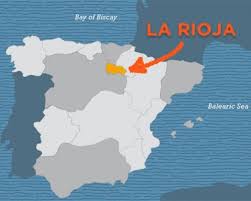
Tempranillo ~10–20 (Spanish Riojas)

Rioja Region of Spain

Sangiovese ~7–17 (Italian Chiantis, Super Tuscans)

Old Vine Zinfandel

Merlot ~7–17
Syrah ~5–15
Pinot Noir ~10
Malbec ~10
Zinfandel ~5


White Wines

White Rioja ~10–15

Chardonnay Region of France

Chardonnay ~10


Trebbiano ~8
Sémillon ~7  (Mostly used in blending)
Sauvignon Blanc ~4
Viognier ~4 

Muscadet ~3
Pinot Gris ~3

Dessert and Fortified Wines

100+ Year old Maderia

Tawny Port ~150
Madeira ~150
Vintage Port ~50–100


Sherry ~75
Hungarian Tokaji Aszu ~20–30
German/Alsatian Riesling ~15–25  (Beerenauslese,  Trockenbeerenauslese )


French Sauternes ~15–25


Now, that you have an idea of what type of grapes/wine are suited for aging, you are all set.  RIght?  No, because even if you took any one of the above wines and put them in the wrong area, they would not age gracefully and you would be totally disappointed.   So,  How do you keep it ?   so it will age correctly.    Instead of repeating everything, just jump over to my other section on http://rdilauro.com/CarpeVino/2018/08/18/storing-wine/

So, now you understand which wines can potentially age better than others,  you also have a basic knowledge of the proper conditions that will help those wines age gracefully, but know, the big question is When is too old?   There are several factors involved, but again, it helps to understand some basics here.

Wine is perishable and capable of deteriorating, there are complex chemical reactions involving a wine’s sugars, acids and tannins that influence this.  This aging can alter the aroma, color, mouthfeel and taste of the wine in a way that may be more pleasing to the taster.

So, how many years do I keep it?  When is enough enough?   Again, like people, wines slowly move up to their potential, they start to peak and then unfortunately, those glory times start to fade and the wines slowly lose all their glory and eventually become just an simple ordinary glass of wine (if that).

Wild Tannins

When I was first trained in wines in the 1970’s, it was basically centered around the classic French bordeaux. We talked about  those wines lasting 10, 15 or more years.   I have had some 1st growth French Bordeaux that were over 40 years old.  They will still ruby red, soft, rich,  pleasant tannins and totally unbelievable!   As my wine experience grew, California wines were becoming more popular.   The Napa Valley Cabernet Sauvignons were nightmares while they were young.   So heavy on tannins, that it made those wine almost impossible to drink and enjoy.   But you knew that those tannins were an indicator that the wine could age for a very long time and eventually mellow out.  But how long is that?   I’ve made the mistake several times in allowing wines to age too long.   I had some Napa Cabernet’s from the mid 1980s that I kept until 2000 or so.   Besides dealing with so many cork problems, most of those wines were not even drinkable.


Fast forward to the year 2000 and onward .  There were changes in California wines and even French wines.   The trend was making wines to be consumed earlier, by that I mean totally drinkable and peaking in a shorter period of time.  So, many Cabernet Sauvignon’s were ready to drink within 5 years and after 10 years there were well on their way downhill.    So, now, unless there is an exceptional vintage year from California, I do not cellar those Cabs or other full reds (ie Merlot, Petite-Sirah, Cabernet Franc) for more than 7 years.

The way I handle all of this now is purchasing several bottles of the same wine that I intend to age.   I like to start with at least 6.   I will taste the first one as soon as I bought it.   This way I would have a good indicator of the structure and the potential longevity of the wine.   Then I put them to bed and about every 18 months or so , I would open another bottle.   This way I have a pretty good idea of where the wine was going, had it peaked yet and how much longer I should age it.   When I have a wine that is still showing strong youth and promise, I will buy another 6 bottles.

Overall, aging of wines should be a fun project.  But since there is generally an financial investment involved, you should know the basics of what you are doing.

Happy Aging.

You know, Stallion? It’s too bad we gotta get old, huh?


Wine Folly

Today, I have to talk about Madeline Puckette’s book  The WINE FOLLY – Magnum Edition.

I have been associated with wines and beverages for over 40 years now.  I was trained by a sommelier and spent hours and hours reading over 60 books about wines, how they are made, the grapes, the regions, etc.   I read Hugh Johnson’s Atlas of Wines, several editions cover to cover and used that as a basis for education when I taught wine appreciation.

Wine Folly is a new approach to wine education.  It removes the old stuffy snobbery approach with all those big words that most people do not understand or even care about.

Madeline’s approach is so fresh.  Its humorous, its fun, its educational, its detailed.  It covers just about every aspect that anyone needs to know about wines.   This book is great for the person who just wants to start learning about wine, or for someone who is a sommelier.

A fantastic book, hop over to Amazon to purchase a copy.  You will not regret it!