Italy

Wine Regions of Italy
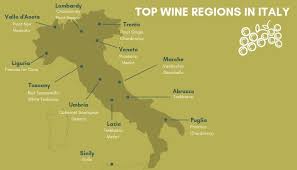


Italian wine is produced in every region of Italy, home to some of the oldest wine-producing regions in the world. Italy is the world’s largest producer of wine, with an area of 702,000 hectares (1,730,000 acres) under vineyard cultivation, and contributing a 2013–2017 annual average of 48.3 million hl of wine. I

These are the major wine regions of Italy.   There are many more, but these are the ones that have produced some of the great Italian wines:

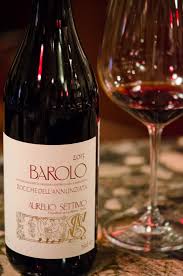
Piemonte wine Is the range of Italian wines made in the region of Piedmont in the northwestern corner of Italy. The best-known wines from the region include Barolo  and Barbaresco. They are made from the Nebbiolo grape.  Barolo has been called the King of Wines from Italy.
Other popular grapes used for red wine production are Barbera and Dolcetto. Wine made with the Barbera grape is often fruity, with high acidity. It can be delicate with less tannin than wine made from the Nebbiolo grape.

Barbera is the most widely planted grape in the region, but Nebbiolo and Dolcetto account for a significant portion of the area’s red wine production as well. With white wines, Moscato is the most prominent with its sparkling and frizzante style wines. Other notable white wines include styles made from the Cortese grape in Gavi as well as blends of Cortese with Arneis and Favorita from Colli Tortonesi and Alto Monferrato.

The Piedmont produces more DOCG wines by volume than any other Italian wine region with nearly 84% of all the areas wine production falling under a DOCG designation. The area has no Indicazione Geografica Tipica (IGT) classification, in contrast to Tuscany where IGT wines or Super Tuscans make up a significant portion of that region’s wine production.

Venetian wine is produced in Veneto, a highly productive wine region in north-eastern Italy.
The broader area comprising Veneto, Friuli-Venezia Giulia and Trentino-Alto Adige/Südtirol is known collectively as the Tre Venezie, after the Republic of Venice. Veneto is the most populous and biggest denominazione di origine controllata (DOC) producer of the three regions. Although the Tre Venezie collectively produce more red wine than white, the Veneto region produces more whites under DOC and is notably home to the Prosecco and Soave wines.

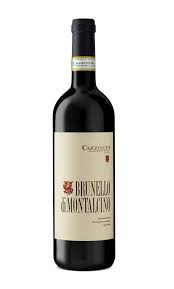
Tuscan wine (Italian Toscana) is Italian wine from the Tuscany region. Located in central Italy along the Tyrrhenian coast, Tuscany is home to some of the world’s most notable wine regionsChianti, Brunello di Montalcino and Vino Nobile di Montepulciano are primarily made with Sangiovese grape whereas the Vernaccia grape is the basis of the white Vernaccia di San Gimignano.

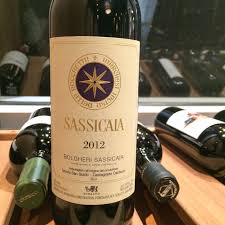
Super Tuscans are an unofficial category of Tuscan wines, not recognized within the Italian wine classification system. Although an extraordinary number of wines claim to be “the first Super Tuscan,” most would agree that this credit belongs to Sassicaia the brainchild of marchese Mario Incisa della Rocchetta, who planted Cabernet Sauvignon at his Tenuta San Guido estate in Bolgheri back in 1944. It was for many years the marchese’s personal wine, until, starting with the 1968 vintage, it was released commercially in 1971.[6] The growth of Super Tuscans is also rooted in the restrictive DOC practices of the Chianti zone prior to the 1990s.

Abruzzo (Abruzzi) is an Italian wine region located in the mountainous central Italian region of Abruzzo along the Adriatic Sea. It is bordered by the Molise wine region to the south, Marche to the north and Lazio to the west. Abruzzo’s rugged terrain, 65% of which is mountainous, help to isolate the region from the winemaking influence of the ancient Romans and Etruscans in Tuscany but the area has had a long history of wine production.[1][2]

Today more than 22 million cases of wine are produced annually in Abruzzo, making it the seventh most productive region in Italy, but only 21.5% of which is made under the Denominazione di origine controllata (DOC) designation. More than two-thirds of the region’s wine is produced by co-operatives or sold in bulk to negociants in other Italian wine regions in Tuscany, Piedmont and the Veneto for blending.The most notable wine of the region is Montepulciano d’Abruzzo produced with the Montepulciano grape that is distinct from the Sangiovese grape behind the Tuscan wine Vino Nobile di Montepulciano.Together with Trebbiano d’Abruzzo, Montepulciano d’Abruzzo is one of the most widely exported DOC wine from Italy, particularly to the United States.

Puglia (Apulia to many English speakers) is a long, thin wine region in the far south-eastern corner of the ‘boot’ of Italy.  Probably the most familiar wine from this region is Primitivo.  While they are genetically the same grape, both clones of the Croatian grape Crljenak, the main difference between Primitivo and Zinfandel are the eventual style of both of these wines. With terroir and winemaking style affecting the finished product. Zinfandel is distinctively Californian.   This has been said to be the oldest grape used in producing wine.

 Sicily’s most famous wine, Marsala, was first made in the city of that name on the western coast by the Woodhouse firm, which also sold Port. Like its sisters Port and Sherry, Marsala  is a fortified wine with an alcohol content of around twenty percent

Nero d’ Avola
This hearty red is Sicily’s most popular non-fortified varietal, now produced by numerous Sicilian wineries. Often compared to Syrah, it is sometimes blended with other reds but usually allowed to stand on its own. A full-bodied red like this one is not easily overlooked, and dozens of wineries
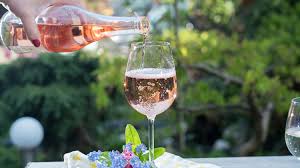
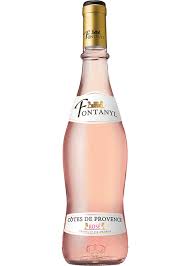
Rose and Spring

Spring is around the corner and the one wine really that speaks Spring is ROSE

How does this wine get the pink color?  Are there pink grapes?

Wikipedia Answer:  Rosé wines are made from a wide variety of grapes and can be found all around the globe. When rosé wine is the primary product, it is produced with the skin contact method. Black-skinned grapes are crushed and the skins are allowed to remain in contact with the juice for a short period, typically two to twenty hours.

When any grape is first crushed (white or red) the fruit juice is always clear. The color is determined by how long this clear juice is left in contact with the grape skins.  So basically, white wines do not stay in contact with the white grape skins very long, where red wines stay in contact with the red grape skins longer.   As Wikipedia’s definition (above)  Rose wines are made from red grapes, but the resulting juice does not stay in contact with the red grapes for extended periods of time.  The less time the juice is in contact, the lighter color rose will result, where the longer the contact, the darker the color.

Some misconceptions about Rose wine

“Rose wines are made by mixing White and Red Wine”   This is NOT true.
“White Zinfandel is not a Rose”  But it is, its just a very sweet rose.
“The darker the color of the Rose wine, the sweeter it will be”  NOT true             

The early days of Rose wine

While I do not have any accurate dates when Rose wines started to blossom in the wine world, but the early Rose wines came from:

France: 
Cote d Provence (light and refreshing)
Tavel ( more body and color and not as dry


Portugal:
Mateus,  Lancers were the big name brands and they tend to be on the sweet side


United States:
All the blush wines, the sweeter ones from the Finger Lakes in New York and the White Zinfandel from California


Where Rose is being made today

Just about every wine producing country/region is now producing Rose wines.  Each is somewhat unique, made from different grapes or a blend of grapes.

Some of the more interesting of these Roses are:

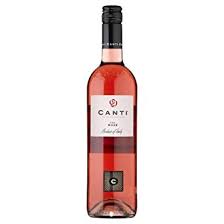
Italy:
Made from the Sangiovese grape resulting in a fuller body wine


Portugal: 
Now making Rose from many of the grapes from the Douro valley plus many other grapes

New Zealand:
Many made from the Pinot Noir grape resulting in a bigger and not a completely dry wine

Austria: 
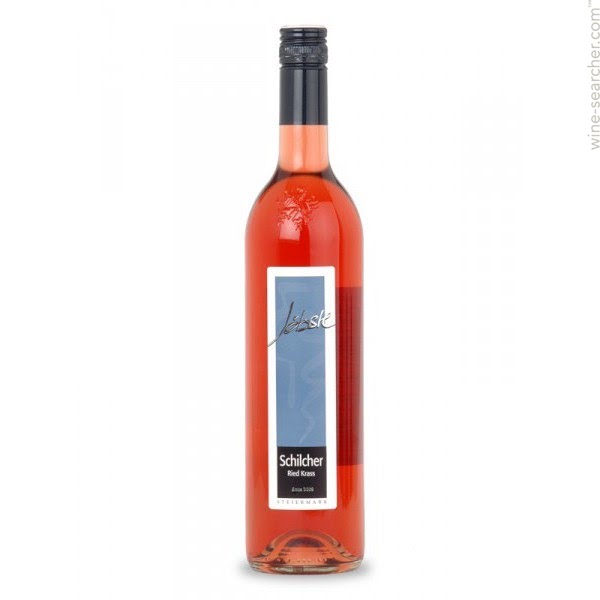
Made from the blaufränkisch grape creating a light and lively wine.


Israel:
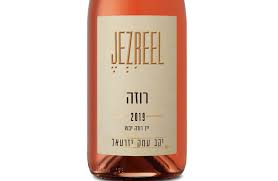
Made from the Made from cinsault and mourvèdre  grapes. Much richer
than the everyday rose.  Full bodied.


And there are many other countries making Rose’s today.  This includes Greece,  England, Georgia, South Africa.


Rose Profiles

Color

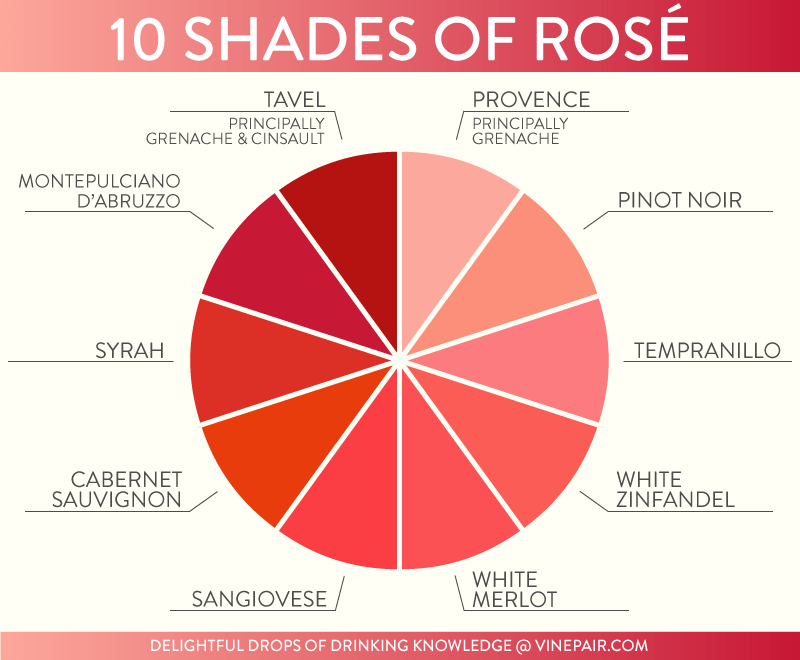
There are so many different color shades of Rose wines.   Much depends on the grape being used and how long the winemaker keeps the grape skins intact with the juice.


Flavor

The flavors of  rose wines tend to be more subtle versions of their red wine varietal counterparts. The fruit expectations lean towards strawberry, cherry, and raspberry with some citrus and watermelon presenting on a regular basis. Rose wines can run from the extra dry and light to a full bodied semi-sweet wine.

Old world (Europe) roses tend to be drier in style, while New world (anywhere else) tend to be not as dry.  Most rose wine will be around 12% abv (alcohol content).  You will find some that are lower than 12% and they tend to be more on the sweeter side.

When can you drink Rose wine? 

ANYTIME.   For years, people always associate rose with Spring and Summer time.  There really isn’t anything more inviting than to have a bottle of Cote d Provence, sitting on the banks of the River Seine in Paris laying down with a picnic lunch of fine cheeses and breads.

Today, rose wines have become so food friendly that the can go with almost any meal and can be served year round.   This wine can handle Surf and Turf,  Outdoor BBQs, Italian, Chinese or even Mexican cuisine.

Most rose wine should be slightly chilled, some varietals can taste great at room temperature and some extremely chilled.   You need to experiment a bit here.  But there are no formal guidelines, your taste and preference is what really counts

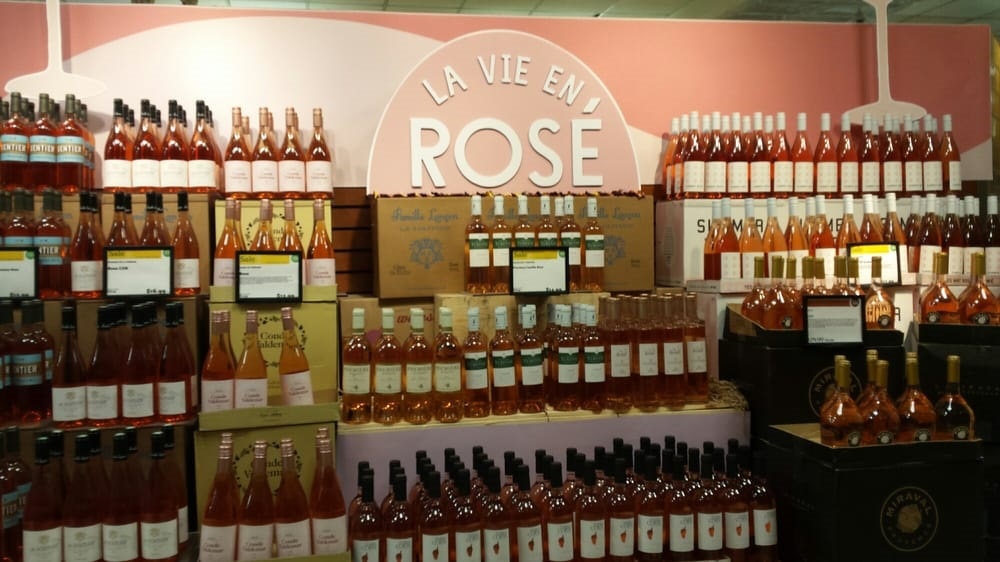
So next time you are in a wine shop, browse the Rose section.  Its growing and growing.  And with Spring around the corner, most wine retail shops will have display after display of Rose wine.


Oh and another treat.  Many winemakers make sparkling Rose.   Thats an extra treat.


ENJOY

Organic vs Natural Wine

Organic vs Natural Wines

Basic Definition and Terms

Organic wine” is made with grapes grown on an organic farm—the same way an apple orchard could be organic. … “Natural wine” is a loose term that describes wines made with minimal intervention in the vineyards and in the cellar, but it can be a bit of a misnomer.

Natural wine is more of a concept than a well-defined category with agreed-upon characteristics. In its purest form, it is wine made from unadulterated fermented grape juice and nothing else. “People think that natural wine is a fad or a new thing, but it’s the traditional way to make wine

Organic” is a system of farming and food processing, as well as a label. … Sulfites are allowed in small amounts (less than 100 mg/L (ppm)); this wine cannot be labeled as “organic” but can mention the use of organic grapes. 2 – wine made from organic grapes with no added sulfites
Simply stated, organic produce and other ingredients are grown without the use of pesticides, synthetic fertilizers, sewage sludge, genetically modified organisms, or ionizing radiation. … Organic meat, poultry, eggs, and dairy products come from animals that are given no antibiotics or growth hormones.

I’ve read so many articles regarding Organic and Natural wines.   I’ve tasted many of them.  My overall opinion so far is that, these wines are not very expensive ($10-$20 range) and the taste is nothing to get excited about (so far)  This does not take away from the quality of the wine or the people that make it.

When I tried explaining this to many customers in the retail wine shop, I tried to keep it as simple as possible, without getting into the details and chemistry behind it.

Natural Wine  The main ingredient (Grape, Fruit, Plant, etc) is allowed to turn to wine naturally without the addition of any yeasts.   This was the method used in ancient Greek and Roman times.   Some natural winemakers will add a minimal amount of sulfites.  This is required to ensure that the wine stays the same from when it was first bottled until a consumer drinks it
What it isn’t

Organic Wine.   Many times, I use the phrase Green control.  This is very similar to Green Farming.   This means there there is  NO  non-artificial, chemical ingredients added.  No artificial fertilizers or insect control can be used. Only natural soil (compost) and minerals can be used and pest control is maintained using other living organisms (such as bees).   As with natural wines, there always is the addition of minimal amounts of sulfites.    

Different countries have different regulations and controls on what can be called organic wines.  In the United States the premium control given is Certified wine.  There is an intensive certification process that a wine maker must go through to obtain that level.   Chile, handles this differently.  They utilize  IMO Control (Institute for Market Ecology).

Now about the standard normal process of winemaking

“Conventional” winemaking — shorthand for non-natural wine — is defined by technical intervention. In the vineyard, that intervention comes in the form of pesticides and herbicides. In the cellar, intervention generally comes in the form of lab-grown yeast (to control the fermentation process and regulate flavor), acid (to increase the wine’s acidity, which in turn can help the wine age better), and sulfites added at the time of bottling (to preserve flavor). Many winemakers also add sugar, which doesn’t make the wine sweet but instead, through turning into alcohol, creates the perception of “body.” (It’s common practice in Burgundy.

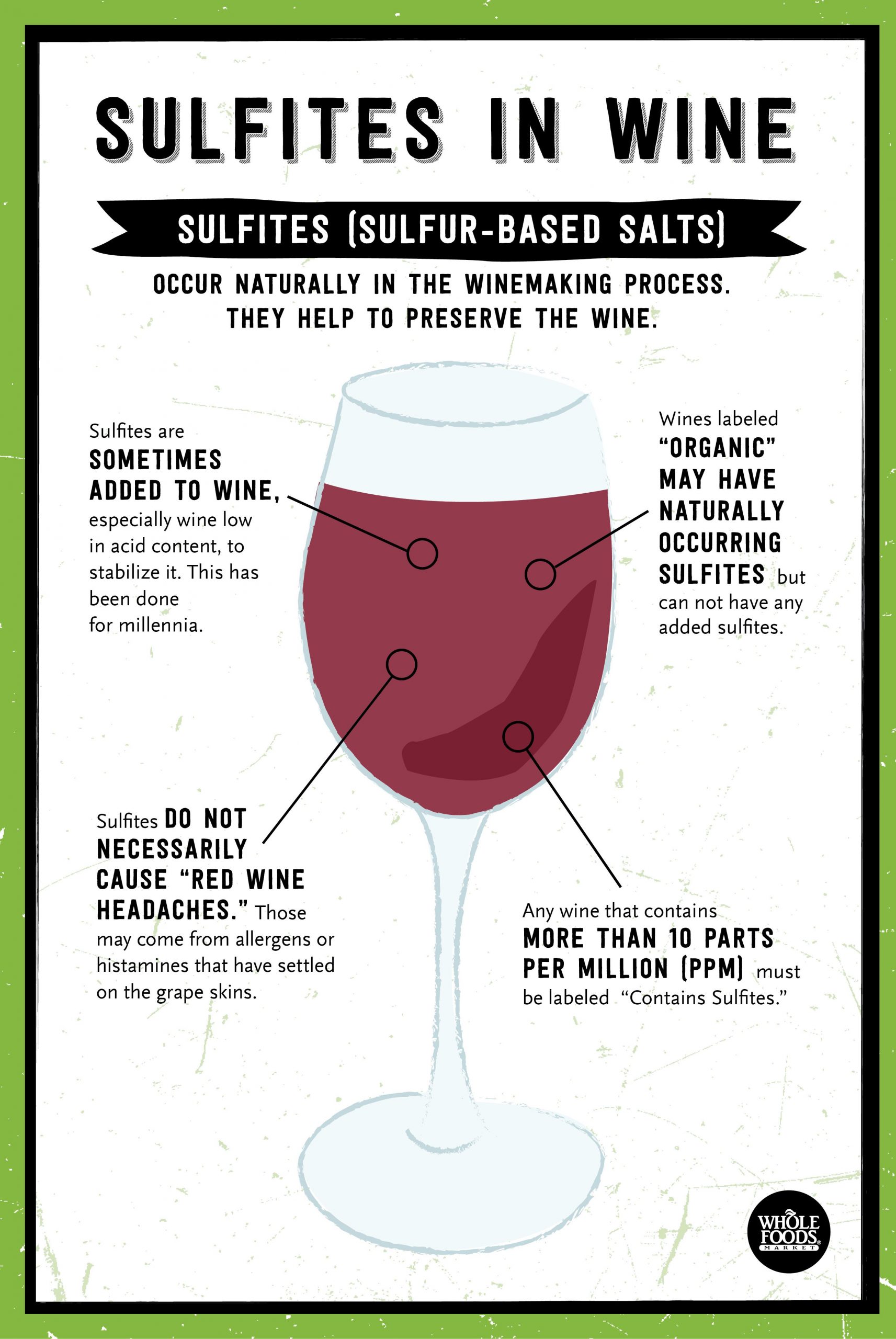
Going off topic now!    Just the word sulfite brings up so many different discussions.  People blame the headaches that get after drinking red wine on sulfites.  In reality, white wine has more sulfites than red wine does.   Also, if you look at sulfite charts on different foods and beverages you will see that wine is always at the very bottom in the amount of sulfites they contain.
There is NO such thing as a wine without sulfites.   What you will look for are wines that do not contain any ADDITIONAL sulfites.   But always keep in mind that sulfites are a natural by product of grape fermentation.
So, the next logical question asked “Then why do I get headaches after drinking red wine?”


There are two answers:

–   Antihistamines.  Red wine can contain more histamines than white wine.
People with allergies therefor can get headaches after drinking red wine.
–   Consuming too much wine!

There is another method called Biodynamic   But for the purposes of this discussion,  I am not going to get into those differences or examples.  Thats another topic. 

Today there is a strong movement  to organic and natural products.   Most people are trying to move to products that overall are better for a person’s health.   This is very good movement.   My son, who besides being a professional chef, has a degree in Nutrition.   One thing he always told me when it comes to products….  “If the ingredients label contain more than a handful of items or items that you are hard pressed to identify, then GET RID OF IT”

Besides going to my natural and organic foods/beverages/etc, there is also a big concern regarding Vegetarians and Vegans.   But most wines are NOT!

WHY?

The reason that all wines are not vegan or even vegetarian-friendly has to do with how the wine is clarified and a process called ‘fining’. … Traditionally the most commonly used fining agents were casein (a milk protein), albumin (egg whites), gelatin (animal protein) and isinglass (fish bladder protein).

Adding to that, many of the oak barrels use in aging wines are held together by horse glue.  So, you have the animal influence right there.   There are some wines that are aged in OAK that the barrels are not held together by animal glue.  One method, is the stainless steel process.

Here are some wines that can be called 100% vegan

  • Bellissima Prosecco. …
  • Blossom Hill. …
  • Charles Shaw Red Wine Varieties. …
  • Cooper’s Hawk Vineyards. …
  • Cycles Gladiator. …
  • DAOU Vineyards. …
  • Frey Vineyards. …
  • JUSTIN Wines.

SO, what are the good Organic or Natural wine?

(I am taking this directly from the internet, these are not my personal choices, but instead an general. consensus)

Top 10 organic wines
  • Domaine Carneros 2009 Brut Vintage Cuvée. (Gayot.com) …
  • Madroña 2011 Signature Collection Dry Riesling. (Gayot.com) …
  • Santa Julia 2012 Chardonnay Orgánica. (Gayot.com) …
  • Sokol Blosser 2012 Pinot Gris. …
  • BioKult 2010 Rosé …
  • Famille Perrin 2011 Nature Côtes du Rhône. …
  • Gérard Bertrand 2010 Cigalus. …
  • Benziger 2011 Joaquin’s Inferno.
  • 11 New Natural Wines to Buy Right Now
    • 2018 Sans Wine Co Sauvignon Blanc. …
    • 2018 Los Chuchaquis ‘Methode Ancestrale’ Albariño, Stirm Wine Company. …
    • 2017 Barrow Vineyard Reserve Dry Riesling, Bloomer Creek Vineyard. …
    • 2018 Kalkundkiesel Blanc, Weingut Claus Preisinger. …
    • 2018 Tsolikouri, Baia’s Wine. …
    • 2018 The Prince in His Caves, The Scholium Project.

    Bottom line, it is always your choice.  What ever life style you are living, you eating or drinking habits   Its always your choice.   Knowing the details behind your decisions is always beneficial   I hope in some way I have shed the light on the topic about Organic vs Natural wines!

When is it time

When is the right time to drink your wine?

This question has been asked over and over.    Normally there are two parts to this question.   One is when  is it the best time to drink that wine
(Vintage Year) and secondly, is it time now, should I wait. (Wine Life Span)

Most wine publications produce various Wine Vintage Charts that will help you to determine

What year was the best
Should I drink it now
Should I hold the wine till later

This varies between wines, countries, regions and much more.


This is just one example of what a wine vintage chart can look like.  Overall it can get very confusing.

Vintage charts summarize the quality and character of the wines from a particular region in a specific year. They are by necessity general in nature, but can help consumers make good choices when faced with unfamiliar wines. They also help collectors determine when their wines will be drinking well.
(from Wine Spectator)

Normal tags associated wine various vintage years are:

Drink Now  – Essentially means to drink that vintage year now
Drink or Hold – You can drink it now, but it still will last for more years
Hold –   Dont drink it, instead hold on to the wine for later years
Past Peak –  Go ahead and drink it now, it wont get any better

Each country, region, wine type will have the Vintage year with one of the recommendations.   The higher the number, the better the wines attributes should be.  Normally, wine lovers only select wines with a rating over 90.
This is an example of Italian wines from the Piedmont region of Italy.

2011 93 Drink or hold Rich, fleshy Barolos and balanced Barbarescos; the best have vibrant structures for aging. A fine year for Barbera
2010 97 Hold A cool growing season and ideal weather before harvest; pure, elegant and structured reds, with fine potential for aging

Two very important things to remember regarding Vintage charts and Wine Ratings:

  1. The fact that a wine has a very high rating, does NOT mean that this wine is
    is special and that you will automatically love it.  A wine rating of 95 for a
    wine from this Piedmont region of Italy, does not mean you are going to like it.
    You might be quite satisfied with a lower rating from a wine in a region or     grape type that you like.
  2. Wine ratings are like reviews on cars, restaurants and many other products.
    Many times these ratings get influenced by manufacturers, producers, distributors, etc.    At the wine retail shop I worked for in Brookfield, CT, the owner always wanted to display wines with a 90 rating or higher.    These ratings basically come from three sources  (Wine Spectator, Robert  Parker, and Wine Enthusiast).    You will find some wines that have an above 90 rating from one of those three, but yet have a below 90 from another source.   I always like wines that all three sources basically had the same rating.    One thing I introduced at this retail store, was a Store Selection Rating.   After tasting the wine, we would put our own rating.  But instead of a number value, we gave a A, B, C rating like your grades in school.

Here are some of the general accepted ratings for wine:

  • 96 to 100 points – Extraordinary wines that display all attributes you’d expect to find in this variety; wines worth the extra effort to find, purchase, and consume.
  • 90 to 95 points – This is the “outstanding” category and are considered terrific buys.
  • 80 to 89 points – Barely above average wines that have some finesse, flavor, and character, but they have no noticeable flaws.
  • 70 to 79 points – Average wines that are soundly made and straightforward.
  • 60 to 69 points – Below average wines that have noticeable character flaws; are often awkward and lacking in flavor.
  • 50 to 59 points – These are unacceptable wines.

In general, I always paid more attention to the Vintage year rating.   Because of the many variables in producing wines, the year is important.  The year could be a perfect year for wine growing.  It could have a lot of sun, or too much rain, or at harvest time, it was too cold.   All of these factors play a lot in determining the rating of a given vintage year

So, my message here is to pay more attention to a rating or trait that is given to a particular vintage years.   And also remember, that the rating for any given vintage year varies.  What might be an excellent year for California Napa Valley Cabernet Sauvignon,  might be below average from a French Bordeaux.

Now that we have a basic understanding of Vintage Years and Wine Ratings, lets get into what I call a Wine’s Life Span

In reality, this is not much different than what we can map against a humans life span.  When we  are  young , we are full of action, a bit awkward, making bold harsh decisions.  As we mature, we become more mellow and easier to take.  Then as we get older and older we start to fade.

Really, not much different than the life span of a wine.  So the key  is to know the perfect time to drink that wine, at is  peak.  Nothing says that if you drink the wine too early or too late that you will not like it.  But drinking it at is prime can result in so much satisfaction.


Of course, I need to state, that different types of wine, are going to go through this life span at different times.   For instance, a Sauvignon Blanc life span is quick.  Perhaps the best time to drink one of those is about 2 years after the vintage year.   But for California Cabernet Sauvignon or French Bordeaux, those wines might not reach their peak for 10 or 15 years after the bottling date.

In general, white wines go through this life span much quicker then reds.  Normally the fuller the wine, the longer life span the wine will have.  A Chardonny might not peak until 4 years after bottling date, where as a full red will last that much longer.

I love PORT wines.   I’ve recently purchased a half case of

Pincas 2011 Vintage Port

This Port wine has a 99 rating from and while you can drink it now, it will be at its best in 2030 and will continue to out perform into 2045.

The one mistake I have mad many times is holding onto a wine too long.


So then when it was time to drink it, it was very disappointing, where take that same wine and drink it at is prime and you have a golden gem.

Knowing the exact right time can be very tricky.  But by using some of the information I provided above, your decision will be at least an educated one.

Samantha

       SamanthaSommelier

A graduate of the University of Arizona with a degree in marketing, she decided to pursue her passion for wine.  She graduated from the International Culinary Center of California and completed her certificate through the Court of Master Sommeliers.   Samantha is involved with so many aspects of wine and food.

Take a look at her web site to learn more.

One of Samantha services are personally designed Wine Tastings.  They are  designed to be a fun and approachable way to enjoy, drink, and learn about wine, all from the comfort of your own home. As nothing goes better with wine than friends and food, many of her  tastings have a food-pairing focus as well. She want her clients to feel as if she is their personal Sommelier friend, so she works with each client’s individual needs and tastes to best complement the ideal wine line-up

You will find Samantha to  be a fun loving person, always with a smile and her passions go beyond wine.  Just take a look at her website to review many of the features.   She loves to travel, with much of it as wine destinations.
Samantha combines it all.

  • Caring Sommelier who wants to help anyone develop an appreciation for wine
  • Food/Wine pairing is so very important and she pays close attention to this
  • Fashion plays a role in her total picture of being a young energetic sommelier.

Take a look at her web site, you will be glad you did


Champagne

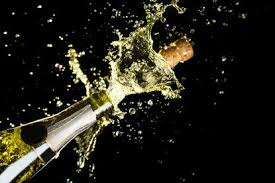
Its here!  2020   What better post then to talk about Champagne

Any article that talks about Champagne, has to start out with the origin of Champagne and how it was made.

The history of Champagne has seen the wine evolve from being a pale, pinkish still wine to the sparkling wine now associated with the region.
The Romans were the first to plant vineyards in this area of northeast France, with the region being cultivated by at least the 5th century, possibly earlier. When Hugh Capet was crowned King of France in 987 at the cathedral of Reims, located in the heart of the region.

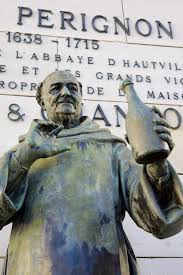
The cold winter temperatures prematurely halted fermentation in the cellars, leaving dormant yeast cells that would awaken in the warmth of spring and start fermenting again. One of the byproducts of fermentation is the release of carbon dioxide gas, which, if the wine is bottled, is trapped inside the wine, causing intense pressure. The pressure inside the weak, early French wine bottles often caused the bottles to explode, creating havoc in the cellars. If the bottle survived, the wine was found to contain bubbles, something that the early Champenois were horrified to see, considering it a fault. As late as the 17th century, Champenois wine makers, most notably the Benedictine monk Dom Pérignon (1638–1715), were still trying to rid their wines of the bubbles.  Many people believed that Dom Perignon was the founder of Champagne, he was not..  Instead he developed the first bottle that would contain the pressure without bursting the bottle.

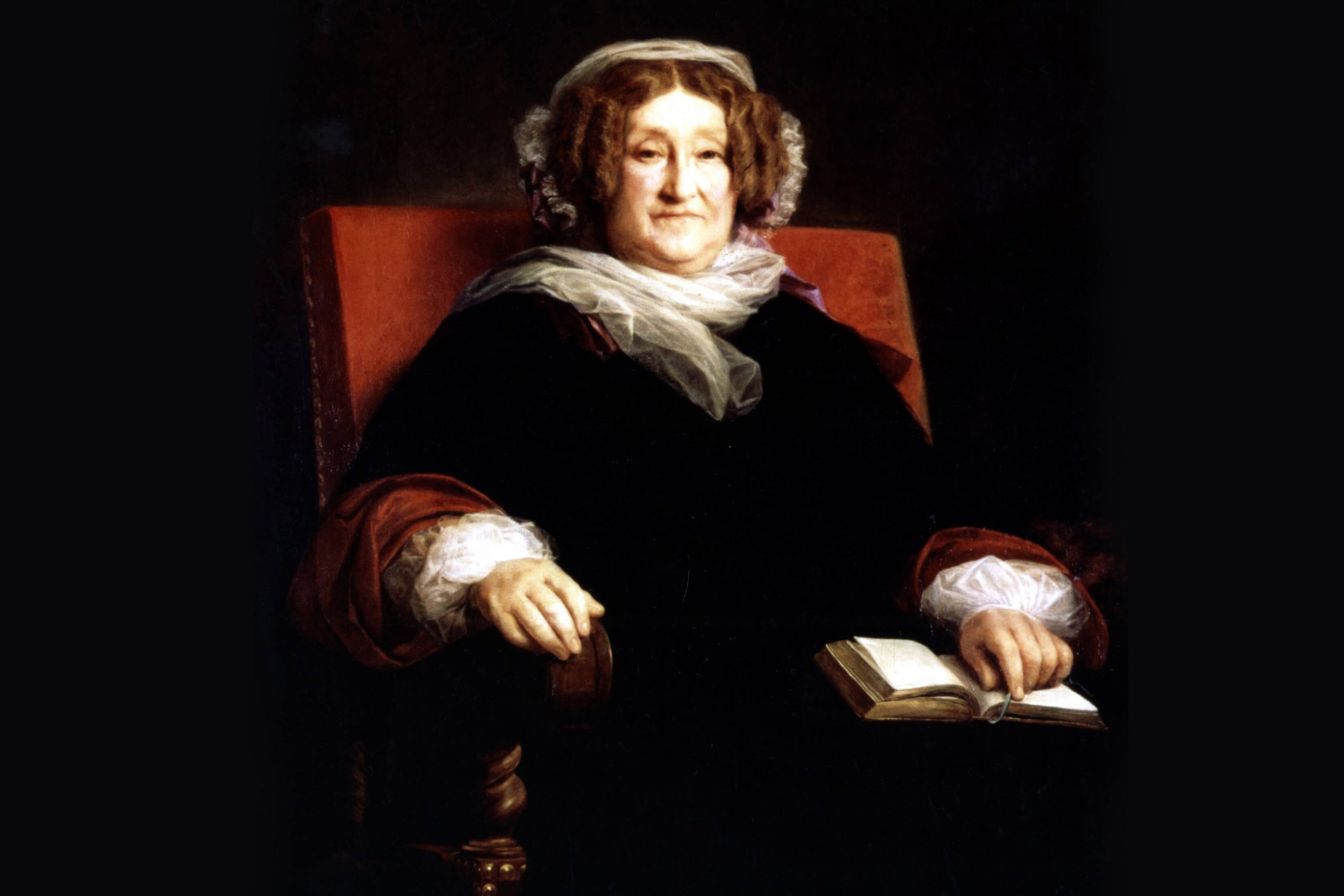
The person really responsible for the birth of champagne, was Madam Clicquot.    Advances by the house of Veuve Clicquot in the development of the méthode champenoise made production of sparkling wine on a large scale profitable, and this period saw the founding of many of today’s famous Champagne houses,

This describes the  méthode champenoise used in making Champagne

Step 1: Selecting the Cuvée: The cuvée is the base wine selected to make the Champagne. The most expensive Champagnes are made from cuvées from Grand Cru vineyards in the Champagne region. Cuvées can be from a pure grape variety, such as Chardonnay or Pinot Noir, or can be a mixture of several grape varieties. Chardonnay is a white grape variety with white juice, Pinot Noir a red grape variety with WHITE juice. Pinot Meunier, a red grape, is a relative of Pinot Noir, also used extensively.

  • Blanc de noirs means “white of blacks”. It is a white wine produced entirely from black grapes (another name for red grapes). Pinot Noir, Pinot Meunier  are the only two black grapes permitted within the Champagne AOC.
  • Blanc de blancs means “white of whites”, and is used to designate Champagnes made exclusively from Chardonnay grapes.
  • Rosé wines (also known as Pink Champagne) are produced either by leaving the clear juice of black grapes to macerate on its skins for a brief time or, more commonly, by adding a small amount of still Pinot noir red wine to the sparkling wine cuvée.

Step 2: Assemblage is the French art of blending still white wines to create the base wine for Champagne. Assemblage is at the core of all fine Champagne.

Step 3:  Tirage (the second fermentation): Next sugar, yeast and yeast nutrients are added, and the entire concoction, called the “tirage”, is put in a thick walled glass bottle and sealed with a bottle cap. The tirage is placed in a cool cellar (55-60 F) and allowed to slowly ferment, producing alcohol and carbon dioxide.

Step 4 Aging: As the fermentation proceeds, yeast cells die and after several months, the fermentation is complete. However, the Champagne continues to age in the cool cellar for several more years resulting in a toasty, yeasty characteristic. During this aging period, the yeast cells split open and spill into the solution imparting complex, yeasty flavors to the Champagne. The best and most expensive Champagne is aged for five or more years. This completes the second fermentation.

Step 5: Riddling: After the aging process is complete the dead yeast cells are removed through a process known as riddling (Le Remuage). The Champagne bottle is placed upside down in a holder at a 75 degree angle. Each day the riddler comes through the cellar and turns the bottle 1/8th of a turn while keeping it upside down. This procedure forces the dead yeast cells into the neck of the bottle where they are subsequently removed. A riddler typically handles 20,000 to 30,000 bottles per day.

Step 6: Disgorging: The Champagne bottle is kept upside down while the neck is frozen in an ice-salt bath. This procedure results in the formation of a plug of frozen wine containing the dead yeast cells. Finally, the bottle cap is removed and the pressure of the carbon dioxide gas in the bottle forces the plug of frozen wine out (“disgorging”) leaving behind clear Champagne.

Step 7:  Adding the Dosage: At this point the “Dosage”, a mixture of white wine, brandy and sugar is added to adjust the sweetness level of the wine and to top up the bottle.

Step 8: Corking: The bottle is then corked and the cork wired down to secure the high internal pressure of the carbon dioxide. The sweetness levels of Champagne range from very dry (ultra brut) to very sweet (doux), with brut being the most common.

Reference: https://mobile.henrisreserve.com/

Why Champagne?  Why Sparkling wine?

Champagne can only be called Champagne if it comes from the Champagne region in northern France. A typical Champagne or U.S. sparkling wine is made from a blend of three grapes: chardonnay, pinot noir, and pinot meunier. …   Basically, that translate into no other wine producers of sparkling wines can call their product Champagne.  Even though the process is identical, there is a lot of respect given to the origins of Champagne.

How to open a bottle of Champagne 

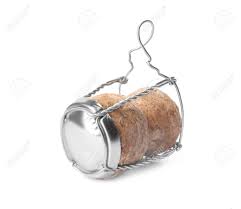
All champagne bottles from any country, always have
a wire cage that surrounds the expanded cork.    To remove
this cork, you need to turn the cage exactly 5 and 1/2 turns.
That will completely open up the cage, so you can remove
the cork.

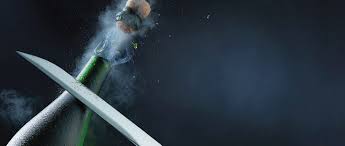
Sabering

This is another method, mostly for show to open a bottle of champagne.  Its
called sabering and you can use almost any device from a true saber to a simple kitchen knife.  Word to the wise, this is not always the easiest way to open champagne and many times it results in a lot of champagne being wasted


Types of Sparkling Wines

Champagne    – Only for the Champagne Region of France
Cremant           – Directly outside the region of France
Cava                   – Spain
Prosecco         – Italy
Sekt                   – Germany
Sparkling        – USA

Champagne or Sparkling Wine  – Dry or Sweet

  • Brut Nature: 0-2g/L. Brut Nature is also known as zero dosage, ultra brut, brut sauvage and non-dosage. …
  • Extra Brut: up to 6g/L. Extra Brut has no detectable sweetness with 0-6g/L of residual sugar. …
  • Brut: up to 12g/L. …
  • Extra Sec: 12-17g/L. …
  • Sec: 17-32g/L. …
  • Demi-Sec: 32-50g/L. …
  • Doux: more than 50g/L.

Call it Champagne or Sparkling wine, whatever, for years it has been the trademark of celebrations.  For the crowning of a new ship,  to a toast at a wedding, or to ring in the new year.

Whatever the occasion, its a special type of wine that everyone should try


Ordering Wine in a restaurant

The Challenge ?  The Mystery ?  The Fear ? or the Enjoyment!!

All of us have been here before.   We go to a restaurant and having a perfect dinner.   We know exactly what we what to order to eat, but now the tough part,  how and what to order for the wine.   It gets even tougher when the people you are with are all having different types of food, which makes it difficult to select one wine to pair with everything.

Years ago, almost all restaurants had wine lists where you could order a bottle of wine.  You could order different bottles of wine to pair with each meal someone would be having.  But in today’s environment, drinking and driving dont and should never mix.    So that adds to the dilemma.

We know we could always count on the wait staff to help select the correct wine.  Red wine with meat, white wine with fish, full bodied wines with big meals, the right wine with meals with cheese, the right wine with spicy foods.   This can all get very confusing.


But, that also depends on the restaurant you are going to and how much training does the wait staff have.  There are many restaurants that make sure that their staff are well versed in terms of food and wine pairing.   But that is not always the case.  In most of the finer restaurants, they will have at least one person really trained on wines.  They may not be sommeliers, but they can provide you with good choices when it comes to your
wine selection.


Luckily, today in most restaurants, wines can be ordered by the glass.  This eliminates the complexity and challenge in order the correct wine for all the people eating dinner.  People can now select the wine that they feel is best paired with their meal, or more importantly the wine that they really like the most.


While I love wines and I love pairing them with food.  The most important aspect for everyone is to select the wine that fits them perfectly, so that they can enjoy the meal.  After all, those are the ingredients for a perfect evening!

Women in Wine

For centuries, the winemaking business has been a male dominated if not exclusive occupation.   Its so refreshing to see that women have begun to enter this field and make a big impact on the industry.

This move has not and is still not easy.. One problem immediately apparent in any sommelier survey is that the proportion of women in the Master Sommelier community remains glaringly small. In the U.S. there are currently 182 Master Sommeliers, of whom just 29 are women.   The better news is
this year’s Top 100 People in the U.S. Wine Industry list by the blog IntoWine.com, 24 out of 100 were women.

Two women always comes to mind when I think about wine making.

Barbe-Nicole Clicquot , known as the “Grande Dame of Champagne ‘


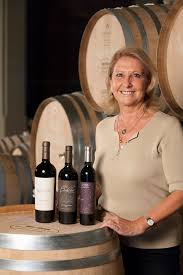
Susana Balbo
.    She has been making a name for herself in the wine industry for over 30 years. She was Argentina’s first female winemaker and the first woman president of Wines of Argentina, an organization that promotes the country’s wine industry to a global market.

One of her trademarks, is the label on her Crios series of
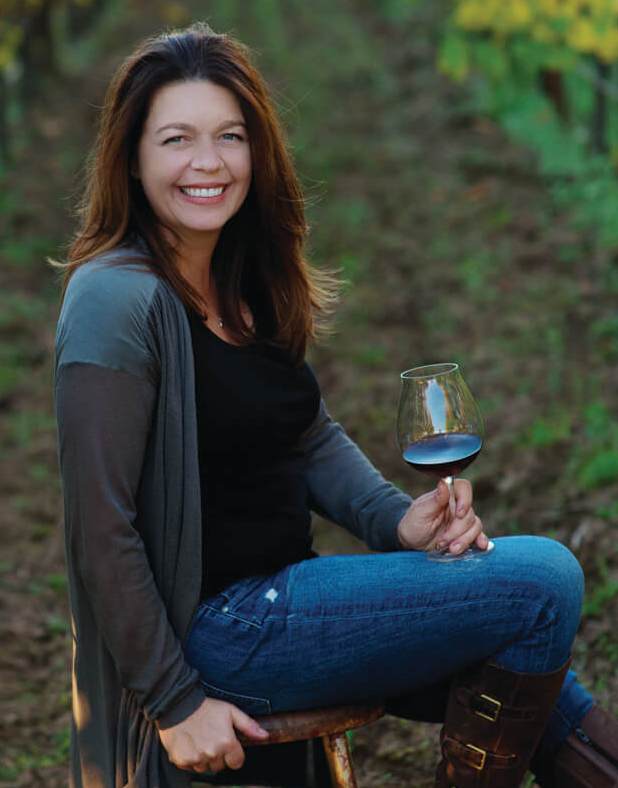
wines. This family spirit lives and breathes with her Crios wine range. Crios in Spanish means “offspring” and was created in 2001 as a tribute to her son, José, and daughter, Ana.



Other notable women in wine for their major accomplishments are:

Hannah Weinberger, the first female winemaker in Napa Valley – 1880s

Madeline Triffon, the first female Master Sommelier in USA – 1987

MaryAnn Graff, the first female modern winemaker in California – 1965ish

Sarah Morphew Stephen, the first female Master of Wine – 1970


Here are some recent female winemakers that everyone should take notice to.

Vanya Cullen  – Cullen Wines, Margaret River, Australia

Cullen, who farms by biodynamic principles, focuses on Chardonnay and Cabernet Sauvignon. For her, a sustainable mindset is paramount, as she considers herself a custodian of “an ancient land.” The Wilyabrup, which means “place of red ochre,” is a subregion of Margaret River that Cullen believes provides “the purest expression of place because the natural environment is so clean.”


Trizanne Barnard –  Trizanne Signature Wines,  South Africa

In Kommetjie, a quaint village on South Africa’s Cape Peninsula, Barnard makes wine for her namesake label. She sources grapes from two diverse regions, Elim and Swartland, and she strives to honor those origins.

“I respect the area from which I source grapes and try to make a wine that reflects as much,” says Barnard.


Luisa Ponzi – Ponzi Vineyards, Willamette Valley, Oregon

Ponzi gained perspective on Old World methods as she attended school in Beaune, France, and interned with Christophe Roumier, of Domaine Georges Roumier in Burgundy, as well as Luca Currado, winemaker at Vietti in Piedmont. She was exposed to more than just the stringent rules that shape European viticulture.


Sarah Crowe – Yarra Yering, Yarra Valley, Australia

In 2013, after a stint at Bimbadgen, she departed Hunter Valley for Yarra Valley. She’s made Yarra Yering’s wines since, and picked up a 2017 Winemaker of the Year distinction from James Halliday.


Kathy Joseph – Fiddlehead Cellars, Santa Barbara, California

Joseph founded Fiddlehead Cellars in 1989 in Santa Barbara County and, in 1996, purchased the Fiddlestix Vineyard in the Sta. Rita Hills American Viticultural Area. Her wines express finesse, or “personality with elegance,” as Joseph puts it. Joseph’s focus is on fewer varieties—she grows Grüner Veltliner and Pinot Noir—and refinement of technique.


Helen Masters – Ati Rangi, Martinborough, New Zealand

Her advice for women who seek to be winemakers: “I’d equally give this advice to [all aspiring] winemakers. If you’re passionate about wine, get into it, boots and all. Learn everything you can, go everywhere you can and most importantly, figure out how you want to work. There’s huge diversity in the industry, with businesses large and small. Within that, there’s great opportunity to find the one that suits you.”


Credit:  Wine Enthusiast 3/19