

Cheese, Cheese, Chesse and Wine

A little history — Who made the first cheese?
According to an ancient legend, it was made accidentally by an Arabian merchant who put his supply of milk into a pouch made from a sheep’s stomach, as he set out on a day’s journey across the desert. The rennet in the lining of the pouch, combined with the heat of the sun, caused the milk to separate into curd and whey. That night he found that the whey satisfied his thirst, and the cheese (curd) had a delightful flavor which satisfied his hunger.
Thomas Jefferson was the first to bring mac and cheese to America. While visiting France he fell in love with so many of the pasta dishes he had been served. He brought a pasta machine back with him and first served Mac-and-Cheese at a state dinner in 1802!
The first milk used for cheese was from goats or sheep, as these were most prevalent in the Mediterranean areas of the Fertile Crescent. There are ancient Sumerian records going back as far as 4000 BC showing they ate cheese.
Thomas Meacham who hailed from Sandy Creek, New York. He was quite proud of his cheese-making abilities, and in 1835 he held a public celebration in Oswego where he revealed ten cheeses of his own creation. He made two giant wheels of cheese, each weighing in at 750 pounds, one for Vice President Martin Van Buren and the other for New York Governor William Macy.
The really really big wheel—four feet wide and two feet tall—he made for President Andrew Jackson and sent it to him via schooner. When it arrived in Washington, it was paraded to the White House in a cart drawn by twenty four horses.
The Canadians still hold the record for the largest cheese: a 57,000 pound monster made in Ontario in 1995.
Cheese Rinds are the outside layer that form on a cheese during the cheesemaking and aging process. Most rinds (except for wax, cloth or bark)– are naturally edible and will enhance a cheese’s overall flavor
Can you eat Cheese Rinds?
The velvety white, gray, or yellow rinds of many soft or semisoft cheeses (think Brie or Taleggio) are edible and often have a pungent, mushroomy flavor.
Discard the inedible wax rinds on hard cheeses, like Gouda and Manchego,
Save earthy Parmesan rinds for simmering in soups and stews (pecorino works, too).
End of the History lesson
I love wine, there isn’t anything about wine that I do not like What makes wine even better is food and cheese. Wine and Cheese, to me, is just like Bread and Water.
I love cheeses of almost every kind and used in almost every way. I have total weaknesses for Pizza .
.
I love any kind of Parmigiana cheese, Grilled cheese sandwiches, Macaroni and cheese and then some more. But for me, what makes any cheese shine even more is having it with wine.
Interesting Facts About Cheese
1. Cheese was created over 4,000 years ago-by accident
Legend has it the first cheese was created accidentally, by storing milk in a container lined with an animal’s stomach. An enzyme from the stomach caused the milk to separate into liquid (whey) and solids (curd).
2. It takes 10 pounds of milk to make just 1 pound of cheese.
Cows eat about 90 pounds of feed every day and produce 2,604 gallons of milk per year. That can make a lot of cheese!
3. Over 25% of cheese in the U.S. is made in Wisconsin (the rest comes mostly from California, Idaho and New York).  More than half the nation’s artisan cheese is made in Wisconsin.
4. Some cheeses are illegal in the United States. Because of safety concerns related to bacteria, the FDA has banned certain cheeses from entering the United States. These include cheeses made with raw milk and aged under 60 days, including Brie de Meaux, Reblochon, Valencay, Epoisses, and Camembert de Normandie
5. Cheese caves are a real thing. Storing cheese in caves, whether natural or man-made, helps to age them and imparts another level of flavor.  Caves are cool and humid, which is exactly what cheese needs to age properly.
6. Mice don’t like cheese. Despite popular belief, mice 
actually don’t like cheese.
7. Lactose-intolerant people can eat cheese Aged cheeses have less lactose than fresh and usually can be enjoyed without discomfort. Cheeses like Brie, Camembert, cheddar, Gouda, Muenster, Parmesan, provolone and Swiss are good choices.
8. There’s a reason certain cheese names are capitalized. If a cheese is named after a city or country, it’s capitalized. Examples include Asiago, American, Brie, Camembert, Gouda, Gruyere and Parmesan. Cheeses that aren’t capitalized include cheddar, feta, fontina, mozarella and provolone
9. Curd sizes yield different types of cheese Large curds yield softer cheeses, such as ricotta and mascarpone. Small curds yield hard cheeses-think Parmesan and Romano
10. There are 60 Master Cheesemakers in the United States…and every one of them lives in Wisconsin. Is the only state that has a Master Cheesemaker program. Before entering the program, you need to have a cheesemaker’s license for 10 years, a process that requires 250 school hours and a six-month apprenticeship.
Cheese made from Milk from
Cow – Probably the most common type of milk used for cheese making – which could be credited due to its abundance and stability. It is very versatile, containing just the right amount of fat and protein.
Cheeses include Cheddar, Muenster, Mozzarella, Colby Jack, Swiss Cheese, Parmesan, Gouda, Gruyere, Bleu, Appenzell, Asadero, Camembert, Cambozola
Goat – or chèvre as it is called in France, is more similar to human milk and is very low in potassium, making it safer for people with kidney disorders; thus it is often consumed by people who are ill or have low tolerance to cow’s milk.
Cheeses include: Bucheron, Chabis, Clochette, Couronne Lochoise, Chabichou du Poitou, Valençay, Pyramide, Mato, Crottin de Chavignol, Pélardon, Picodon, Pouligny Saint-Pierre, Rocamadour, Sainte-Maure de Touraine, Castelo Blanco, Brunost and Caprino
Sheep – Due to its high lactose content, sheep’s milk is hardly consumed as is, but is commonly used to make dairy products like Yogurt.
Cheeses include : Feta, Roquefort, Manchego, Pecorino Romano, Berkswell, Castellano, Malvern, Meira, Olde York, Serat, Orla and Yorkshire Blue.
Buffalo – Has a high fat content, making it ideal for mozzarella production. Unfortunately, water buffalo milk is not easy to come by, making it a prized commodity in the dairy industry.
Cheese include: Mozzarella.
Cheeses with Wine
I can not think of any two better items together Put some wine and cheese together, add some fresh crusty bread and you are as close to heaven as possible.
Cheese Types
Hard  As the name suggests, hard cheese is firm. Often savory, it can be divided into two categories: hard, such as Parmesan, and semi-hard, such as Gouda and Grevé. Production involves separating and draining most of the whey before pressing the curd, which is then either brined to create a hard rind or waxed. Finally, the cheese is aged for between two and 36 months, and in some cases even longer. Ageing determines the intensity of the flavor. A well-aged cheese will be more flavorful, less creamy and grainier in texture. Hard cheeses are lactose-free too – good news for the lactose-intolerant.
Hard cheese has a moisture content of less than 50% due to the cheese being aged for a long period of time which causes the cheese to lose some of its moisture content and have a stronger flavor.
Examples:
Cheddar USA, United Kingdom
Comet – France
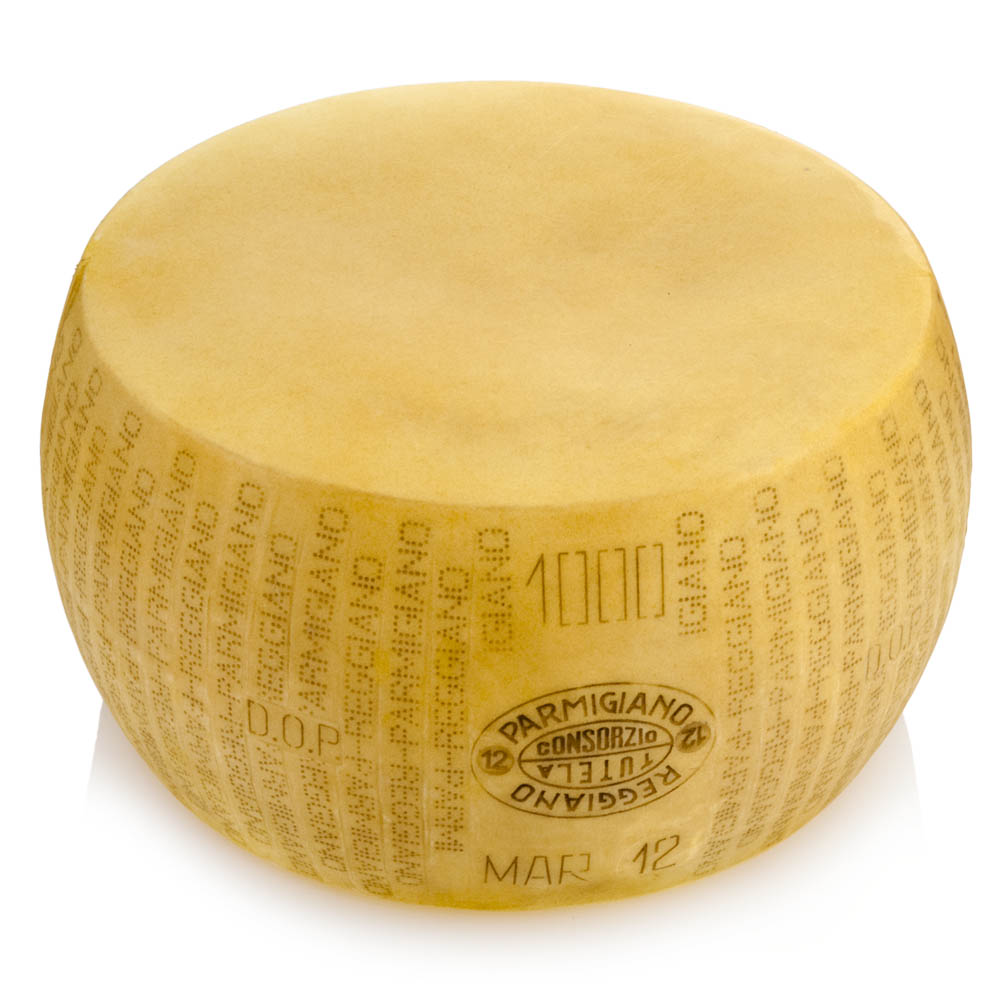
Parmigiano Reggiano – Italy
Provolone – Italy
Aged Gouda – Netherlands
Wines:
Mild/Medium Light reds, Pinot Noir, Beaujolais, dry Roses
Sharp Bordeaux, Côtes-du-Rhône, Zinfandel, Rioja, Chianti
Soft  A Soft Cheese is a cheese with a lot of moisture in it, keeping its texture so soft that it is usually spreadable. The process of making Soft Cheeses differs from making “Hard Cheeses” in that the curds aren’t pressed to squeeze out the whey, as they would be for instance in making a hard cheese like Cheddar. Consequently, they have a high moisture content, making them ideal growing places for mold. These cheeses are typically the most perishable and are sometimes held in brines.
Examples:
Cottage Cheese – USA
Queso Blanco – Mexico, Spain
Cream Cheese – USA
Mozzarella – Italy
Ricotta – Italy
Feta – Greece
Goat – France
Grueye – Switzerland
Wines
Chardonnay, Riesling, Pinot Grigio, Sauvignon Blanc,
Strong Stilton, England’s answer to French Roquefort is another strong flavored cheese. Also considered by many enthusiasts as the “king of cheeses”. A sharp white Cheddar has a very distinctive character. Among the soft cheeses, Camembert is known for strong flavor
Examples:
Stinking Bishop – United Kingdom
Limburger – Germany, Belgium and Netherlands
Stilton – United Kingdom
Roquefort – France
Brie de Meaux – France
Muenster / Munster – France
Camembert – France
Wines:
Zinfandel, Malbec, Red Blends, Riesling
With Stilton or Roquefort: Tawny or Vintage Port
Herb  Is basically any soft or semi-hard cheese. Then fresh chives, parsley, and tarragon or other herbs are added and blended to this cheese spread.
Examp[e:
Boursin – Original from Normandy, France, now made worldwide
Wines:
Merlot, White blends
The same I always say about wine. Its not about what the book tells you to have, its what you want and like. Thats all that counts