Ordering Wine in a restaurant

The Challenge ?  The Mystery ?  The Fear ? or the Enjoyment!!

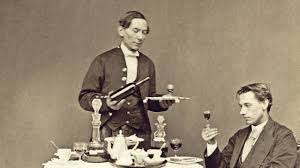
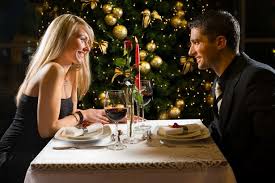
All of us have been here before.   We go to a restaurant and having a perfect dinner.   We know exactly what we what to order to eat, but now the tough part,  how and what to order for the wine.   It gets even tougher when the people you are with are all having different types of food, which makes it difficult to select one wine to pair with everything.

Years ago, almost all restaurants had wine lists where you could order a bottle of wine.  You could order different bottles of wine to pair with each meal someone would be having.  But in today’s environment, drinking and driving dont and should never mix.    So that adds to the dilemma.

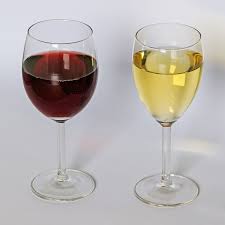
We know we could always count on the wait staff to help select the correct wine.  Red wine with meat, white wine with fish, full bodied wines with big meals, the right wine with meals with cheese, the right wine with spicy foods.   This can all get very confusing.


But, that also depends on the restaurant you are going to and how much training does the wait staff have.  There are many restaurants that make sure that their staff are well versed in terms of food and wine pairing.   But that is not always the case.  In most of the finer restaurants, they will have at least one person really trained on wines.  They may not be sommeliers, but they can provide you with good choices when it comes to your
wine selection.


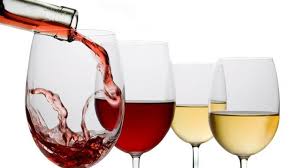
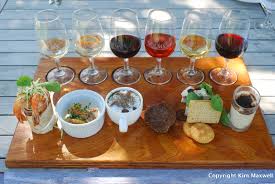
Luckily, today in most restaurants, wines can be ordered by the glass.  This eliminates the complexity and challenge in order the correct wine for all the people eating dinner.  People can now select the wine that they feel is best paired with their meal, or more importantly the wine that they really like the most.


While I love wines and I love pairing them with food.  The most important aspect for everyone is to select the wine that fits them perfectly, so that they can enjoy the meal.  After all, those are the ingredients for a perfect evening!

Olive Oil

                                  Olive Oil

What is olive oil?  Olive oil is fat obtained from the fruit of the Olea Europaea (olive tree) from the Mediterranean region.

Olive oil tastes great when its fresh.  But olives are highly perishable, and their complex flavor degrades quickly, which makes producing and handling , a top notch oil time-sensitive, labor-intensive, and expensive!

Olive oils are graded by production method, acidity content, and flavor. The International Olive Oil Council (IOOC) sets quality standards that most olive-oil-producing countries use, but the United States does not legally recognize these benchmarks. Instead, the U.S. Department of Agriculture uses a different system that was set up before the IOOC existed. However, American olive growers and oil importers are encouraging the USDA to adopt standards similar to those of the IOOC.

Olive oil is grown in many different countries, here are some of the best Olive Oils in the world

Spanish olive oil is typically golden yellow with a fruity, nutty flavor. Spain produces about 45 percent of the world’s olive supply.


Italian  olive oil is often dark green and has an herbal aroma and a grassy flavor. Italy grows about 20 percent of the world’s olives.


Greek olive oil packs a strong flavor  and aroma and tends to be green. Greece produces about 13 percent of the world’s olive supply.


French olive oil is typically pale in color and has a milder flavor than other varieties.


Californian olive oil is light in color and flavor, with a bit of a fruity taste.


Types of Olive Oils
Extra virgin    ( best for salads , dipping in bread, etc)
Premium extra virgin
Extra virgin
Virgin                ( good for salads, can use in cooking)
Fine Virgin
Virgin
Semifine virgin    (not for uncooked sishes, ie salads)
Olive Oil
Pure Olive Oil
Refined olive oil
Lite Olive Oils
These oils do not mean that they contain less fat or are for diets!   They just   go through an additional filtration process to remove most of the natural color,  aroma and flavor.  This makes this type perfect for all types of cooking and baking.

Acidity Levels %
Premium extra-virgin olive oil      0.225
Extra-virgin olive oil                           0.8
Fine virgin olive oil                              1.5
Virgin olive oil                                       2.0   or less
Semifine virgin olive oil                   3.3   (no higher)
Refined oil oil                                       Greater than  3.3


How to Store Olive OIl
Because of olive oil’s high monounsaturated fat content, it can be stored longer than most other oils.   I like to treat my olive oils, the same way I treat and store my wines.  When choosing your storage location, remember that heat, air, and light are the enemies of oil.

Unlike wine, oil does not improve with age. As olive oil gets older, it gradually breaks down, more free oleic acid is formed, the acidity level rises, and flavor weakens. Extra-virgin oils keep better because they have a low acidity level to start with, but you should use lower-quality oils within months because they start out with higher acidity levels. As oil sits on your shelf, its acidity level rises daily, and soon it is not palatable.  You’ll get the best quality and flavor from your olive oil if you use it within a year of pressing. Olive oil remains at its peak for about two or three months after pressing.

While in Italy in 2008, we visited the “PIG Farm” in Tuscany.   A farmer and his family that has olive trees and grape vines to make local Olive oil and wine

Crushing the Olives
All of us watching the olives being crushed
Olives
Stacking the olive discs
Watching the farmer stack
The Finall Press
The Start and the Finish


Olive Oil!


Sources:

https://recipes.howstuffworks.com/how-olive-oil-works2.htm

https://www.americastestkitchen.com/articles/499-everything-you-need-to-know-about-olive-oil


Cheese

                                                                Cheese, Cheese, Chesse and Wine


A little history — Who made the first cheese?

According to an ancient legend, it was made accidentally by an Arabian merchant who put his supply of milk into a pouch made from a sheep’s stomach, as he set out on a day’s journey across the desert. The rennet in the lining of the pouch, combined with the heat of the sun, caused the milk to separate into curd and whey. That night he found that the whey satisfied his thirst, and the cheese (curd) had a delightful flavor which satisfied his hunger.

Thomas Jefferson was the first to bring mac and cheese to America.  While visiting France he fell in love with so many of the pasta dishes he had been served. He brought a pasta machine back with him and first served Mac-and-Cheese at a state dinner in 1802!

The first milk used for cheese was from goats or sheep, as these were most prevalent in the Mediterranean areas of the Fertile Crescent. There are ancient Sumerian records going back as far as 4000 BC showing they ate cheese.

Thomas Meacham who hailed from Sandy Creek, New York.  He was quite proud of his cheese-making abilities, and in 1835 he held a public celebration in Oswego where he revealed ten cheeses of his own creation. He made two giant wheels of cheese, each weighing in at 750 pounds, one for Vice President Martin Van Buren and the other for  New York Governor William Macy.

The really really big wheel—four feet wide and two feet tall—he made for President Andrew Jackson and sent it to him via schooner. When it arrived in Washington, it was paraded to the White House in a cart drawn by twenty four horses.

The Canadians still hold the record for the largest cheese: a 57,000 pound monster made in Ontario in 1995.

Cheese Rinds  are the outside layer that form on a cheese during the cheesemaking and aging process. Most rinds (except for wax, cloth or bark)–  are naturally edible and will enhance a cheese’s overall flavor

Can you eat Cheese Rinds?

The velvety white, gray, or yellow rinds of many soft or semisoft cheeses (think Brie or Taleggio) are edible and often have a pungent, mushroomy flavor.

Discard the inedible wax rinds on hard cheeses, like Gouda and Manchego,

Save earthy Parmesan rinds for simmering in soups and stews (pecorino works, too).

End of the History lesson

I love wine, there isn’t anything about wine that I do not like   What makes wine  even better is food and cheese.   Wine and Cheese, to me, is just like  Bread and Water.

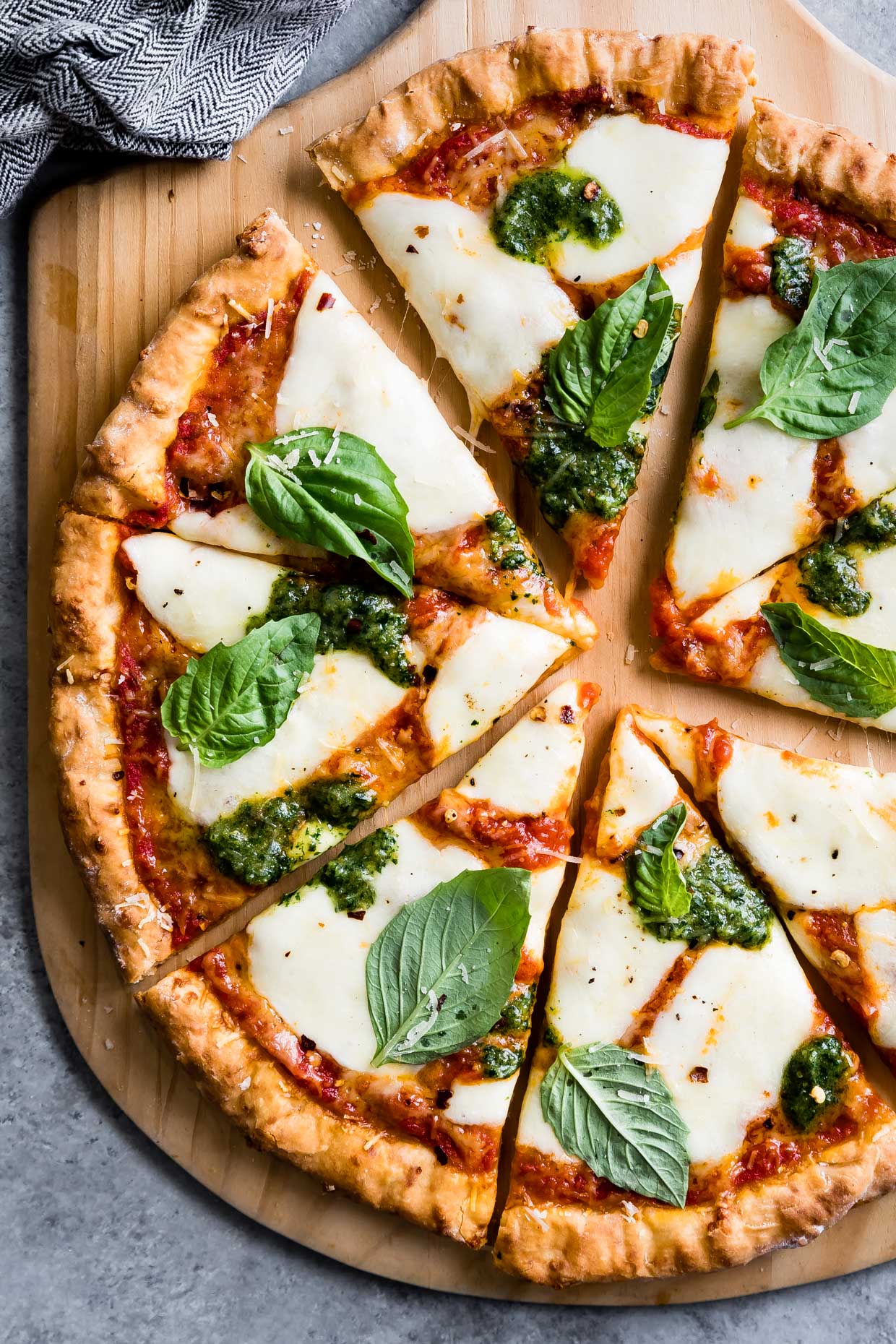
I love cheeses of almost every kind and used in almost every way.    I have total weaknesses for Pizza.

I love  any kind of Parmigiana cheese,  Grilled cheese sandwiches,  Macaroni and cheese and then some more.    But for me, what makes any cheese shine even more is having it with wine.
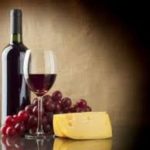


Interesting Facts About Cheese

1. Cheese was created over 4,000 years ago-by accident
Legend has it the first cheese was created accidentally, by storing milk in a container lined with an animal’s stomach. An enzyme from the stomach caused the milk to separate into liquid (whey) and solids (curd).


2. It takes 10 pounds of milk to make just 1 pound of cheese.
Cows eat about 90 pounds of feed every day and produce 2,604 gallons of milk per year. That can make a lot of cheese!


3. Over 25% of cheese in the U.S. is made in Wisconsin (the rest comes mostly from California, Idaho and New York). More than half the nation’s artisan cheese is made in Wisconsin.
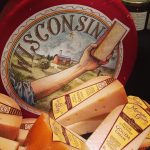


4. Some cheeses are illegal in the United States.  Because of safety concerns related to bacteria, the FDA has banned certain cheeses from entering the United States. These include cheeses made with raw milk and aged under 60 days, including Brie de Meaux, Reblochon, Valencay, Epoisses, and Camembert de Normandie


5. Cheese caves are a real thing.  Storing cheese in caves, whether natural or man-made, helps to age them and imparts another level of flavor. Caves are cool and humid, which is exactly what cheese needs to age properly.


6. Mice don’t like cheese.  Despite popular belief, mice 

actually don’t like cheese.


7. Lactose-intolerant people can eat cheese    Aged cheeses have less lactose than fresh and usually can be enjoyed without discomfort.  Cheeses like Brie, Camembert, cheddar, Gouda, Muenster, Parmesan, provolone and Swiss are good choices.


8. There’s a reason certain cheese names are capitalized.  If a cheese is named after a city or country, it’s capitalized.  Examples include Asiago, American, Brie, Camembert, Gouda, Gruyere and Parmesan. Cheeses that aren’t capitalized include cheddar, feta, fontina, mozarella and provolone


9. Curd sizes yield different types of cheese    Large curds yield softer cheeses, such as ricotta and mascarpone. Small curds yield hard cheeses-think Parmesan and Romano


10. There are 60 Master Cheesemakers in the United States…and every one of them lives in Wisconsin.    Is the only state that has a Master Cheesemaker program.  Before entering the program, you need to have a cheesemaker’s license for 10 years, a process that requires 250 school hours and a six-month apprenticeship.


Cheese made from Milk from

Cow  – Probably the most common type of milk used for cheese making – which could be credited due to its abundance and stability. It is very versatile, containing just the right amount of fat and protein.
Cheeses  include Cheddar, Muenster, Mozzarella, Colby Jack, Swiss Cheese, Parmesan, Gouda, Gruyere, Bleu, Appenzell, Asadero, Camembert, Cambozola

Goat  – or chèvre as it is called in France, is more similar to human milk and is very low in potassium, making it safer for people with kidney disorders; thus it is often consumed by people who are ill or have low tolerance to cow’s milk.
Cheeses include: Bucheron, Chabis, Clochette, Couronne Lochoise, Chabichou du Poitou, Valençay, Pyramide, Mato, Crottin de Chavignol, Pélardon, Picodon, Pouligny Saint-Pierre, Rocamadour, Sainte-Maure de Touraine, Castelo Blanco, Brunost and Caprino

Sheep  –  Due to its high lactose content, sheep’s milk is hardly consumed as is, but is commonly used to make dairy products like Yogurt.
Cheeses include : Feta, Roquefort, Manchego, Pecorino Romano, Berkswell, Castellano, Malvern, Meira, Olde York, Serat, Orla and Yorkshire Blue.

Buffalo  –  Has a high fat content, making it ideal for mozzarella production. Unfortunately, water buffalo milk is not easy to come by, making it a prized commodity in the dairy industry.
Cheese include:   Mozzarella.


Cheeses with Wine


I can not think of any two better items together   Put some wine and cheese together, add some fresh crusty bread and you are as close to heaven as possible.


Cheese Types


Hard  As the name suggests, hard cheese is firm. Often savory, it can be divided into two categories: hard, such as  Parmesan, and semi-hard, such as Gouda and Grevé. Production involves separating and draining most of the whey before pressing the curd, which is then either brined to create a hard rind or waxed. Finally, the cheese is aged for between two and 36 months, and in some cases even longer. Ageing determines the intensity of the flavor. A well-aged cheese will be more flavorful, less creamy and grainier in texture. Hard cheeses are lactose-free too – good news for the lactose-intolerant.
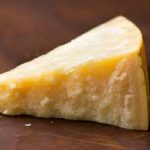
Hard cheese has a moisture content of less than 50% due to the cheese being aged for a long period of time which causes the cheese to lose some of its moisture content and have a stronger flavor.

Examples:

Cheddar    USA, United Kingdom
Comet  –  France
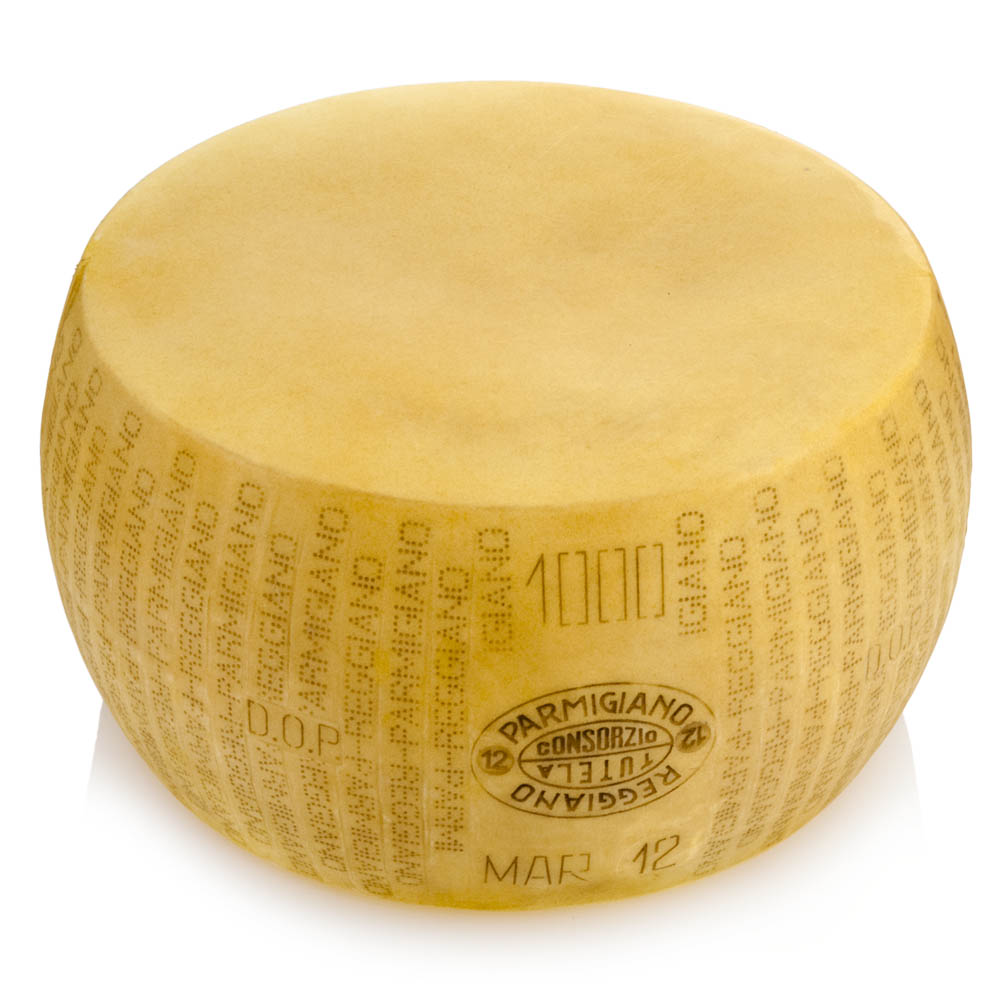
Parmigiano Reggiano  – Italy
Provolone  – Italy
Aged Gouda – Netherlands

Wines:
Mild/Medium           Light reds, Pinot Noir, Beaujolais, dry Roses
Sharp                          Bordeaux,  Côtes-du-Rhône, Zinfandel, Rioja, Chianti 


Soft   A Soft Cheese is a cheese with a lot of moisture in it, keeping its texture so soft that it is usually spreadable.  The process of making Soft Cheeses differs from making “Hard Cheeses” in that the curds aren’t pressed to squeeze out the whey, as they would be for instance in making a hard cheese like Cheddar. Consequently, they have a high moisture content, making them ideal growing places for mold. These cheeses are typically the most perishable and are sometimes held in brines.

Examples:

Cottage Cheese  – USA
Queso Blanco  – Mexico, Spain
Cream Cheese  – USA
Mozzarella – Italy
Ricotta –  Italy
Feta – Greece
Goat – France
Grueye –  Switzerland

Wines
Chardonnay,  Riesling, Pinot Grigio, Sauvignon Blanc,


Strong  Stilton, England’s answer to French Roquefort is another strong flavored cheese. Also considered by many enthusiasts as the “king of cheeses”.   A sharp white Cheddar has a very distinctive character. Among the soft cheeses, Camembert is known for strong flavor


Examples:

Stinking Bishop  – United Kingdom
Limburger –  GermanyBelgium and Netherlands
Stilton
–  United Kingdom
Roquefort  –  France
Brie de Meaux  – France
Muenster / Munster  – France
Camembert – France

Wines:
Zinfandel, Malbec, Red Blends, Riesling
With Stilton or Roquefort:   Tawny or Vintage Port


Herb  Is basically any soft or semi-hard cheese.  Then fresh chives, parsley, and tarragon or other herbs are added  and blended to this cheese spread.
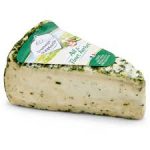


Examp[e:

Boursin  –  Original from  Normandy, France, now made worldwide

Wines:
Merlot, White blends


The same I always say about wine.   Its not about what the book tells you to have, its what you want and like.   Thats all that counts


Wine Dinners


                      WINE DINNERS


Coordinating and executing wine dinners can be a large task, but can also be so much fun.    I live in a private Lake Club Community, Candlewood Lake Club in New MIlford, CT.   Each year, I organize a Wine Dinner.

I always pick a theme of the dinner to make it a bit more interesting.   In the past number of years, some of my themes have been

Champagne Night
Regional Wines (CT and NY)
Around the World in 80 Wines
Dont wine for me Argentina

The easy part is pick out the theme.   Once I have that in place, I start to select a group of wines that I would like to use at the dinner.   All of the dinners are 7 course meals, so, I start with about 30 or more wines that I would like to go with.   I pick out several  “Welcome to the Dinner” wines,  wines to go with the initial course, and step through right up to the desserts.   I spend some time going over these list of wines, until I have the ones that I really want to use.

My next step is to start working with our caterer.  Since the caterer is the one that does all of the club’s social events, I get to know them very well.    I sit down with their head chef and tell them about my theme and then identify the wines I want to use at each course.   From that point on, we work together on coming up with the best pairing dish for that particular course.    This can go on for weeks.  I always give myself about 2 months lead time in preparing for these dinners, because I know there will be a lot of give/take, discussions, tastings about the different food that will be served.   I rely on the chef’s experience about food, and I rely on my experience on wine and food pairing.   Plus I have an additional resource.  My son is a formal chef, so I have always bounced things off of him.   I have had some battles with the caterer ,  mainly because he would want to serve this dish and I didnt think it went well with the wine I selected.  Since it was my dinner, I would continue ‘discussing’ these concerns until we had a joint agreement.

So, now I have the Theme,  I have the Wines and I have all the Courses of Food.

Now I begin on preparing the various materials I provide for each table.
I like to name each table after a specific wine or wine region.   I place a 5×7 laminated card at each place setting identifying each food course, the wine and a brief description of both.   Then at each table ,  I provide some basic information about the Wines being served, How some of the food was prepared, general tasting instructions and whatever I think is appropriate for that given tasting.

I love using props.   For the Sparkling Wine dinner, I gave a simple presentation of sabering (which failed).  I explained how each champagne, sparking wine, or beer caged cork cage will come off in exactly 5 and 1/2 turns.   Told people they could win bets on this, since it is valid for any cage I have seen from any country.    For the Around the World in 80 Wines dinner, I had a large map in front of the room, which large colored pins pointed to the country/region of the wines that we would be tasting.  I would use a marker to draw the paths we took from one place to another.   (ie staring in California, flying to New York, jetsetting over to Europe, , etc)   My most fun was at the Dont Wine for me Argentina.    I dressed up as a Argentina Gaucho.  Black pants, white shirt,  a fake knife (facon) and a cloth belt (Faja).  I put on a gaucho Hat and wore typical gaucho boots.    To me, it was fun doing that, plus it lightens the mood of the audience.

Through out the evening, between courses, I would stand up and talk about various items that pertained to that particular dinner theme.   I talked about how Champagne is made, why Champagne can come only from France and the rest is Sparkling Wine.  That Torrentes is a grape that is unique to Argentina, that Malbec originated in France, and was used more for blending, etc.

My objective was to make the wine dinner a perfect pairing of food and wine.
To demonstrate just how much correct pairing can enhance both the food and wine.   I love to educate anyone on wine, but I also wanted everyone to have fun and enjoy the evening.


Wine Dinner Menus and Wines

———————————————————————————–
 CLC Wine Dinner 2006
Sparkling Wines
————————————————————————————

Introduction                                                                           Spanish Frexinet

Parmesan Reggiano  (Italian)
Camembert   (French)
Spanish Manchego  (Spanish)

First Course                                                                           Blanc de Blanc

Fresh Tuna Trio
  Tuna tartar, tuna roll and tuna tonnato
  garnished with a cucumber amuse

Second Course                                                                  Italian Processco Brut

Goat Cheese and Herb Polenta topped with
grilled portabella mushrooms and a balsamic
buerre blanc

Third Course                                                                         French Rose Champagne

Grilled Pesto Shrimp served over a saffron-tomato
Risotto sauce with kalamata olives and crumbled feta

Fourth Course                                                                       California Brut Vintage

Shitake Crusted Filet Mignon. Sauced with an
Asian demi-glace served over a cold sesame noodle
salad.

Fifth Course                                                                           SEC

Rocky’s Angel Food Cake with two sauces
 lemon and raspberry)

 ———————————-————————-————————-
CLC Wine Dinner Menu 2007
Wine Pairing with Food
————————————————————————————

Welcome                                                         Chardonnay with Cassis (Kir)
Cheese and Crudites Platter

First Course                                                  2006 Villa Rosi Gavi

EGGPLANT and White Bean Tapa
Diced eggplant sautéed with zucchini , white beans, tomatoes, garlic and fresh herbs garnished with pesto

Second Course                                          2006 Saladini Pilastri Rosato

Mini-Potato and Forest Mushroom Lasagna
In a chive béchamel sauce

Third Course                                              2006 Coopers Creek Dry Riesling

Fresh Crab-Crusted Cod
Served over a vegetable risotto with a lobster sherry sauce

Fourth Course                                          2006 Joel Gott Zinfandel

Braised Short Ribs
Done Osso Bucco style with vegetables and herbs served with wilted spinach and mashed potatoes

Fifth Course                                            2005 Hayman Hill Meritage

Assorted Cheeses and Jellies

Sixth Course                                           Taylor Fladgate 10yr

Triple Chocolate Mousse
Three layers of mouse, dark chocolate, milk chocolate and white chocolate on a thin layer of chocolate cake sauced with a raspberry puree


————————————————————————————

 CLC Wine Dinner Menu 2008
Regional Wines (CT and NY)
————————————————————————————


Welcome                                                  Hopkins Dry Cider

Apples/Pears Chutney, Chicken Pate  and Nuts


First Course                                           Stonington Seaport White

New England Clam Chowder
Classic New England fresh clam chowder seasoned with bacon, fresh thyme, carrots, celery and red potatoes.

 Second Course                                  Chamard Chardonnay Reserve

Fresh Corn-Fried Oysters
Served with a horseradish cream, avocado salad and cherry tomato salsa


Third Course                                        Stonington Triad Rose

Layered Vegetable Tower
Portabella mushrooms, wilted spinach, roasted peppers, tomatoes
Zucchini whipped goat cheese served on a bed of mixed greens

Fourth Course                                   DiGrazia Fieldstone Reserve

Pumpkin Ravioli
In a fresh sage butter sauce garnished with pecorino romano fresh sage butter sauce garnished with pecorino romano cheese.

Fifth Course                                   Pellegrini Cabernet Franc

Beef Braciola
Filet mignon pounded thin, rolled and stuffed with pancetta, spinach, mushrooms and ricotta cheese sauced a tomato-demi glace

 Dessert                                           Tomasello Blackberry wine
DiGrazia Blacksmith Port

Flourless Chocolate Cake
Served with a raspberry puree and mocha whipped cream


 ———————————-————————-————————-

 CLC WINE DINNER – 2011
Around the World in 80 Wines
————————————————————————————


Welcome – Selection of Cheeses and Dips      Domain Chandon Brut

First Course                                                                     Oyster Bay Sauvignon Blanc

House Cured Salmon and Salmon Tartare
with grilled flatbread and a noodle salad

Second Course                                                              Dr. Loosen Riesling
Brats and Slaw
bratwurst in a light mustard sauce
served with German potato salad and red cabbage slaw

Third Course                                                                BrainCain Tre Super Tuscan

Fresh Domestic Mozzarella and CT Farm Tomatoes
layered with Parma Proscuitto and drizzled with fresh basil,
garlic, extra virgin olive oil and a balsamic reduction

Fourth Course                                                           Les Lauzeraries Tavel Rose

Wild Mushroom and Goat Cheese Tart
served on a pool of French vichyssoise

Fifth Course                                                               Clos de los Siete

Grilled Sirloin Steak
topped with chimmichurri sauce on a bed of Spanish risotto with chorizo sausage, red bell pepper and corn

Dessert                                                                       Fonseca Bin 27 Port

Chocolate Mousse Torte
served with a raspberry puree
and mocha whipped cream


————————————————————————————

Candlewood Lake Club Wine Dinner  2012
“Don’t wine for me Argentina”
————————————————————————————

Had to dress like a gaucho from Argentina!


Welcome                                                                 Pascual Toso Brut

Selection of Opening Snacks

First Course                                                          Crios Torrontes

 Provaleta
toasted french round topped with provolone cheese
sprinkled with oregano and chili pepper
drizzled with chimmichurri

Second Course                                                 Felino Chardonnay

 Grilled Shrimp
wrapped with bacon served with a cilantro butter

Third Course                                                    Crios – Rose

Grilled Short Rib and Manchego Empanadas
wrapped in pastry with wild mushrooms

Fourth Course                                                La Posta Cocina

Grilled Baby Lamb Chops and Chorizo
served with a tomato sofrito glaze
and a mango-black bean salsa

Fifth Course                                                 Felipe Rutini Malbec

Grilled Filet Mignon
Topped with a Argentinean cabernet-smoky chilpolte reduction
served on a bed of Spanish paprika roasted sliced potatoes

Sixth Course

Flourless Chocolate Cake
served with mocha whipped cream,
grilled pineapple and a mango puree


Food and Wine Pairing

 Food and Wine Pairing     Stolen from the Wine Folly

  1. The wine should be more acidic than the food.
  2. The wine should be sweeter than the food.
  3. The wine should have the same flavor intensity as the food.
  4. Red wines pair best with bold flavored meats (e.g. red meat).
  5. White wines pair best with light-intensity meats (e.g. fish or chicken).
  6. Bitter wines (e.g. red wines) are best balanced with fat.
  7. It is better to match the wine with the sauce than with the meat.
  8. More often than not, White, Sparkling and Rosé wines create contrasting pairings.
  9. More often than not, Red wines will create congruent pairings.

But it is also very subjective in terms of the likes and disk likes of individuals. The above set of sort of golden rules are important to remember, but that does not mean you can not alter any of those.    This goes back to when people said that You had to serve white wine with fish and red wine with meat   I am very glad that semi-rule has basically been eradicated.  You drink the wine you like with the food you like.  That being said, follow some tips/rules and principles you can create a marriage in heaven between food and wine.

I have paired this wine types with food types over the years.   While they might not be everyone’s first choice, it was the marriage between both the food and wine that made me select what I did.

Pinot Noir:   You can serve this with just about any meal, meat, fish, spicy, etc.  I like to use it for most of my barbecues.  Be it pizza grilled , salmon grilled, or a simple burger.

Chardonnay:  I love it best with Roasted Chicken

Sauvignon Blanc:   My shell fish wine.  I especially love it with Lobster, but I have enjoyed it so many times with steamed clams,  clams and linguine

Sancerre:  Even though a Sancerre is essential a Sauvignon Blanc, to me it has more body and a bit of French crispness that is lacking from most other Savigunon Blancs.  I love to pair his with Shrimp, especially Shrimp Scampi.

Zinfandel:  My favorite pairing.  A bold Zinfandel from Lodi and a Rack of Lamb.  The Rack of Lamb I serve with a Fresh Rosemary/Garlic Zinfandel reduction.  The fullness and spice/pepper from the Zinfandel just goes great with the Lamb.

Cabernet Sauvignon/Bordeaux:   I love this wine with any red rich piece of beef.   Prime Ribs, Filet Mignon, NY Stip Steak, etc.   My favorite pair is a French St Emillion Bordeaux with a perfectly cooked Chateaubriand.   The first time I had this was at a French restaurant in Manhasset, Long Island.    The meat just melted in my mouth, no need for a knife and the wine was a 1964 Chateau Clos Fourtet.

Pinot Grigio:   I serve this with almost any light pasta dish, especially those with a cream sauce.   I like the crisp and acidity when served with something like Fettuccine Alfredo.

Syrah or Shiraz:  With a real spicy BBQ dish.  I love making Chicken wings that are marinated in a wine glaze containing Ghost Chili Peppers.   Now, since those are the HOTTEST peppers in the world, I really needed something to tame the heat.   If it wasnt for a Shiraz, I would probably opt for a crsip IPA!

There are so many more, as time goes by, I will probably add to this list.

For several years I ran 7 course wine dinners for about a hundred people.   I would select the wine theme  (ie Champagne, CT Wines, Wines from Argentina, etc) and then I would work with the caterer in coming up with the best food course to serve with my wine.   This was a give and take procedure with several trials before I got exactly what I wanted.   I was fortunate enough to be able to tap into my son’s skills, since he is an established formal chef.

I still remember one dinner when I was serving  Susana Balbo Signature Malbec  with  Bife de lomo (tenderloin) along with a Chimichurri sauce.

Everyone who tasted the meat and drank the wine thought it was one of the best combinations that they have ever had.   That is what I always strive for when pairing food and wine


Some Food and Wine pairing I have enjoyed over the years

Oysters with a French Loire Valley Muscadet
Rack of Lamb with a California  Old Vine Zinfandel with fresh rosemary sauce  Clams  over Linguine with a chilled Italian Gavi
Any Italian pasta dish (with or without cheese) with a Barbera d’ Asti
Caviar with Champagne
Lobster with Sauvignon Blanc
Roasted Chicken with a full bodied, medium oaky Chardonnay
Escargot with a French Sancerre

The list could go on and on.  But again its really up to your taste.   Try to look for wines that will compliment the food.     To get really in depth knowledge of Food and Wine pairing, I suggest you visit 
https://winefolly.com/tutorial/getting-started-with-food-and-wine-pairing/


One last statement, one of the best marriages made in heaven is

  Rich Chocolate with a Full bodied Cabernet Sauvignon