

Every since I was a little boy, I remember all bottles of wine had corks that 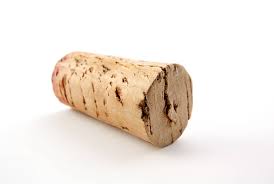
needed to be pulled out using a winged cork screw. There was always something magical about how the cork screw went into the cork and without a lot of effort, the cord would pop out with little fanfare. Natural cork is very expensive, it actually adds to the cost of the wine. Cork is grown in Portugal and comes from cork trees (Sobreiro) that need to be at least 25 years old. But then the cork can only be harvested (stripped) every 9 years. Even though these cork trees can live for over two centuries, there has been a decline in the quantity of cork trees and the quality cork (harvested too soon, poor techniques) That is making natural cork more and more expensive.
About 10 years ago, some wine makers came up with the idea of using artificial cork. 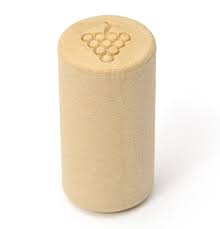
These corks were so smooth and dense and were excellent in keeping oxygen out. But these corks presented a new challenge. They could be very difficult to remove without breaking the cork screw or chipping the bottle!
One of the worst enemies of wine is oxygen (oxidation), but at the same time it is also its best friend. Once you open a bottle, the living wine starts to breathe. For many young reds, this allows time for those harsh tannins to turn from little brats into cozy comfortable grandparents.
At the same time however, once the wine is exposed to the air, it starts to break down. This oxidation process eventually will make the wine almost tasteless over time. (much depends on the type of wine) So what was next?
The nostalgic screw top. 
We all remember those that came on inexpensive bottles of wine and the jug wines. But in reality, the screw top is an excellent way to preserve wine. It keeps air from coming into contact with the wine better than all other stoppers. One drawback, on that special occasion, do you really want to see the waiter opening a bottle of wine by twisting the cap!
Which is really the best? The best for us or the best for the wine!

This is a topic that can go on and on and around and around. I know that the old school wine folks will insist that only real cork should be used and that it is the best . But why, I question? It does provide the best fit when it comes to being placed in the bottle. BUT since cork is a natural resource, in time, that resource will begin to dry up.
When that starts to happen, the cost of using natural cork will continue to rise. Just like we have to pay more money for daily game tickets because the salaries of the professional athletes continues to rise. All of this is passed on to the consumer. The cost of using natural cork has to be included in the price of the wine. Add to this, that the number of trees in Portugal and Spain producing quality cork is
diminishing.
So, its Rocky vs Apollo Creed... The Great Wine Cork Debate!
Natural corks vs synthetic corks: Which on wines?
Weighing in at so many pounds, the challenger * Synthetic wine corks *
The Good
-Synthetic corks DO effectively prevent the most annoying ‘cork taint’
-The second advantage of synthetic wine corks is simply economics: they’re cheaper
The Bad
-Synthetic corks don’t expand/contract within the bottle
-Synthetic corks can be difficult to remove
-Synthetic corks can’t allow small amounts of oxygen that help age bottled age
Standing in the other corner, is our champion from Spain. Weighing in at the perfect weigh is * The Natural cork *
The Good
– Harvesting does not kill the trees
– Can be recycled
– An old and generally effective method of enclosing wine
– Allows wine to breathe; best for aging
The Bad
– Susceptible to cork taint
– Take a long time to age and can only be harvested every 9-12 years
The WINNER ?

I still remember reading To Cork or Not to Cork by George Taber and how interested I became on this simple subject.  A few paragraphs from his book
For nearly four centuries virtually every bottle of wine had a cork in it. But starting in the 1970s, a revolution began to topple the cork monopoly. In recent years, the rebellion has been gathering strength. Belatedly, the cork industry began fighting back, while trying to retain its predominant position. Each year 20 billion closures go onto wine bottles, and, increasingly, they are not corks.
The cause of the onslaught against cork is an obscure chemical compound known as TCA. In amounts as low as several parts per trillion, the compound can make a $400 bottle of wine smell like wet newspaper and taste equally bad. Such wine is said to be “corked.” While cork’s enemies urge people to throw off the old and embrace new closures, millions of wine drinkers around the world are still in love with the romance of the cork and the ceremony of opening a bottle.
With a thorough command of history, science, winemaking, and marketing, Taber examines all sides of the debate. Along the way, he collects a host of great characters and pivotal moments in the production, storage, and consumption of wine, and paints a truly satisfying portrait of a wholly intriguing controversy. As Australian winemaker Brian Croser describes it: “It’s scary how passionate people can be on this topic. Prejudice and extreme positions have taken over, and science has often gone out the window.”