Whiskey

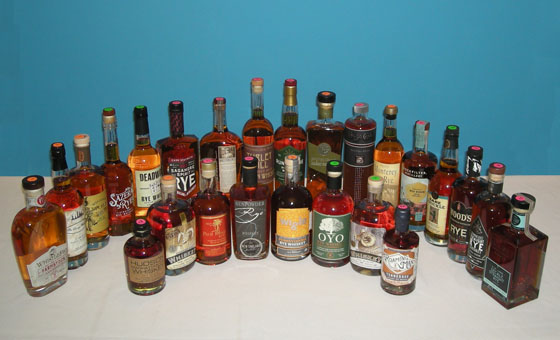
  RYE WHISKEY


HistoryRye whiskey was historically the prevalent whiskey of the northeastern states, especially Pennsylvania and Maryland. Pittsburgh was the center of rye whiskey production in the late 1700s and early 1800s. …

To be called a Rye whiskey, at least 51% of the grain used must be rye.  It  can also contain corn or malted barley.   This distilled whiskey is then aged in charred new oak barrels.

Different parts of the United States have different meanings for the term whiskey.  In the east, any where above Washington DC, when you ask for whiskey, you will automatically get rye whiskey.   Below Washington DC, you would get bourbon whiskey   Rye whiskey tends to be very flavorful,  which many refer to as a spicy and fruity taste.

Canadian rye  whiskey does not have that requirement.  In fact, they do not even have to use rye as the primary grain.   They can use more or less rye and more or less neutral spirits for blending.   This is why, Canadian rye whiskeys are considered lighter bu less flavor full as the American rye whiskey

Rye whiskeys can be considered blended rye.   A blended rye whiskey  is the product of blending different types of whiskeys and sometimes also neutral grain spirits, coloring, and flavorings. It is generally the product of mixing one or more higher-quality straight or single malt whiskies with less expensive spirits and other ingredients.

Rye whiskeys can also be made as straight rye.  This means that has been so aged for at least two years and has not been blended with other spirits may be further designated as straight, as in straight rye whiskey.

BLENDED AMERICAN RYE WHISKEY

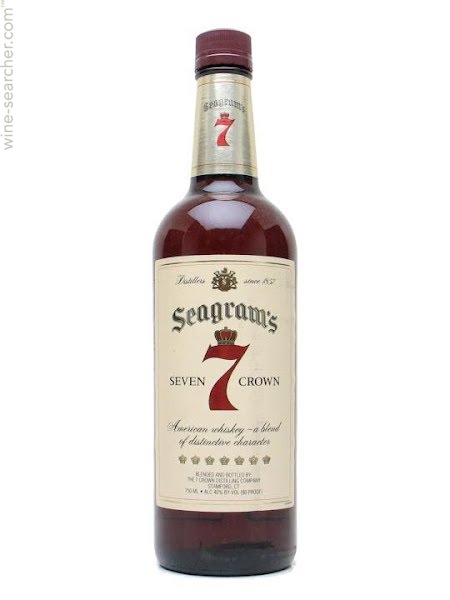
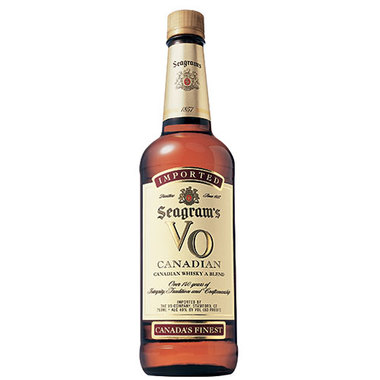
Seagram  Ok, I have to be honest, I am not a big fan of American standard rye whiskeys.   To me they are always to harsh by themselves and even in some drinks, the infamous 7 & 7, I still find the alcohol and rye comes at me way too fast and furious.


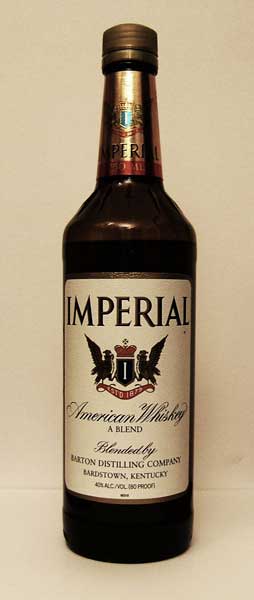
Imperial    Basically, the same as my comments on Seagams.    I listed this one here, because it was the choice rye when doing boilermakers.   Now for you youngsters, a boilermaker is when yo take a shot glass full of rye and dump in directly into a glass of beer.   Then you pick up the glass and chug it all down!    Way      too many boilermakers in my early college days!

BLENDED CANADIAN RYE WHISKEY

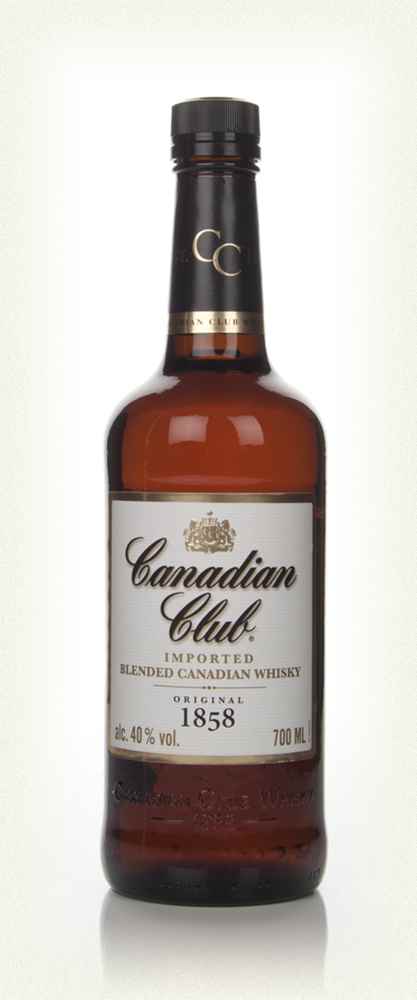
Seagrams VO and Canadian Club      I first started drinking the Canadian ryes when I was drinking Manhattans.  I always find that these whiskey were smoother and provided a better all around classic cocktail   The American ryes always seemed to harsh and that harshness stood above whatever cocktail you were making.


STRAIGHT RYE WHISKEY

Now we are talking the type of Ryes that I have always enjoyed!


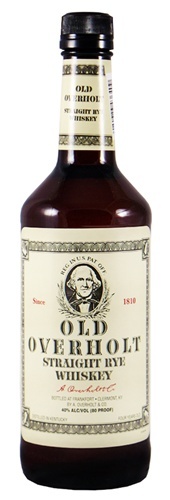
Old Overholt  


This is the straight American rye.  If you ever wanted to experience a true hearty straight rye, this is the one.  You can smell the dark grain rye,  the char smoke and char vanilla cola.

This is really not a full, heavy rye, more on the light mellow side, and leaves a nice smoky char vanilla after taste.


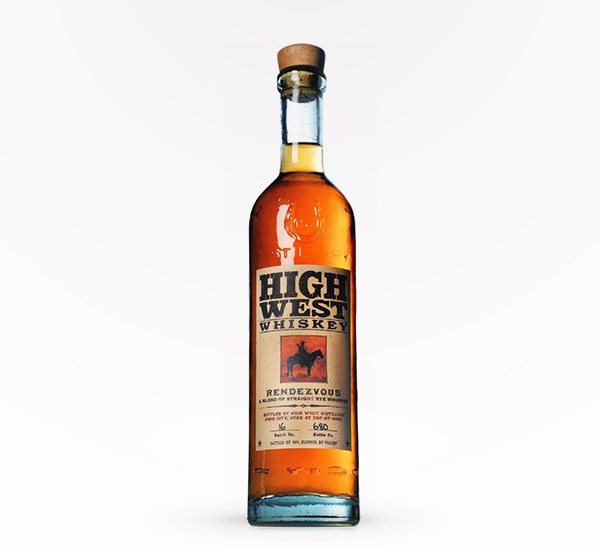
High West Rendezvous    I have to steal these tasting notes, because I wasnt sure how I could describe this rye: 

 “Nose, heat, mint, anise, cinnamon. Palate, molasses, mint, anise, fruit cake and dark chocolate. Finish is long, hot and satisfying.”


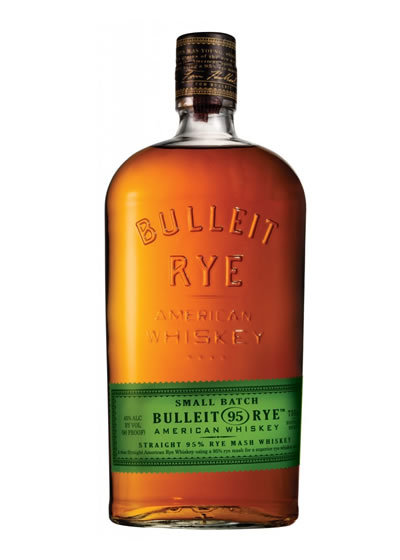
Bullit  Very strong nose of the rye grain, charred grains, vanilla, cinnamon and other spices along with summer fruit.  Sweet and Syrupy to the taste , while the aftertaste is medium, but black pepper tones really shine through.


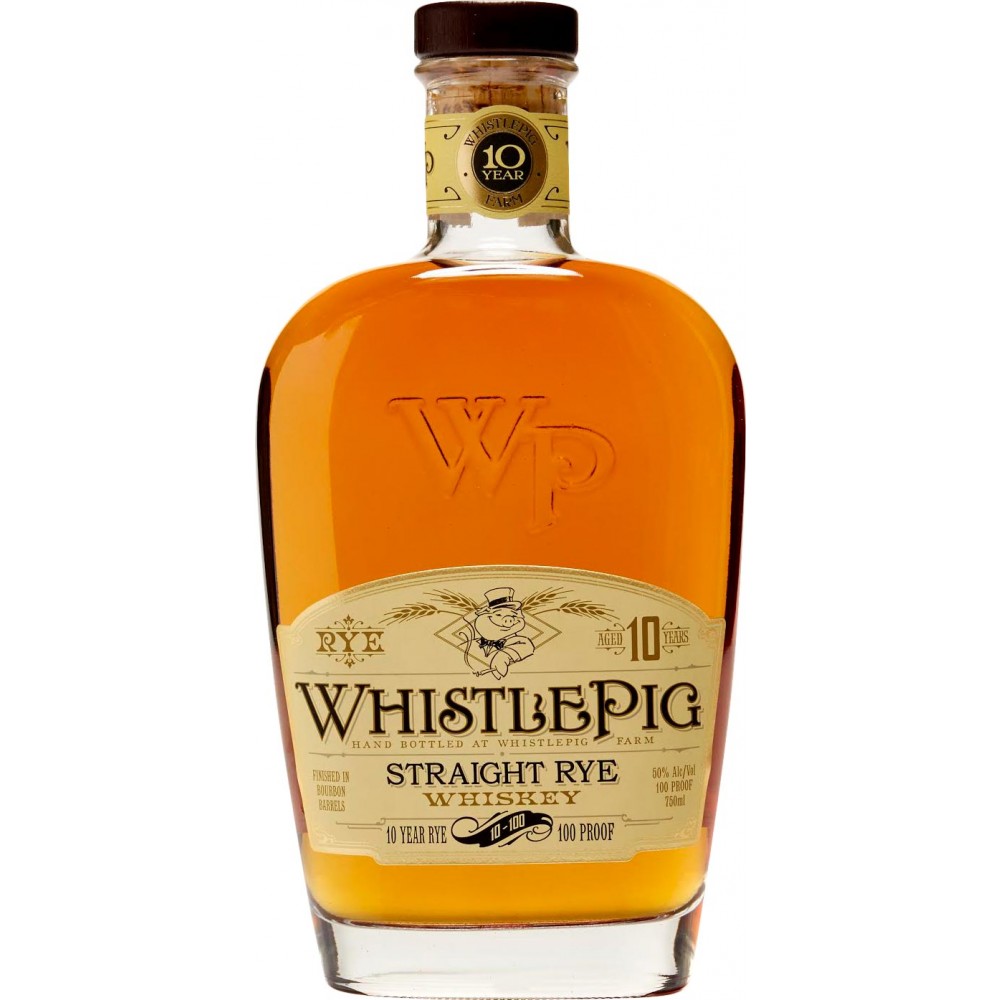
Whistle Pig    Again like most straight ryes, there is a pronounced aroma of rye and charred rye.   Add to this strong scents of ginger and nutmeg with a hint of anise.  During the finish, this mellows out to a creamy full texture with hints of butterscotch


Scotch

                                                                       SCOTCH


BLENDED SCOTCH

BLENDED  A blended scotch whiskey  is the product of blending different types of scotch whiskeys and sometimes also neutral grain spirits, coloring, and flavorings. It is generally the product of mixing one or more higher-quality straight or single malt whiskies with less expensive spirits and other ingredients

Johnny Walker They make several different versions.  From the original Red, Black, Blue, Green and Gold.  And you cant forget their short lived Double Black.  Considering the price of their upper premiums, I still find the Johnny Walker Black to do it all.  Its rich, very full and has that strong iodine flavor that is associated with Scotch.  A long lingering aftertaste.  I prefer this one over ice only.


Dewars A mainstay name for years.  Probably one of the most popular and recognized blended scotch whiskeys.  Light in taste, but yet still bold on the tongue.


Grants  


Very similar in style to Dewars.   Perhaps a bit more body and richness. .  Their 12 year old is an excellent blended scotch.   Rich, full of summer ripened fruits, vanilla , honey and a slight tone of butterscotch


SINGLE MALT SCOTCH

SINGLE MALT   Single malt Scotch is single malt whisky made in Scotland. To be a single malt scotch the whisky must have been distilled at a single distillery using a pot still distillation process and made from a mash of malted barley. …

HIGHLAND   Highland distilleries primarily produce single malt, which is made from 100% malted barley at a single distillery. Highland single malt is usually made on a pot still, a less complex distilling apparatus that preserves more of the flavorful congeners produced during the fermentation process. On the whole, Highland whiskies are bold, flavorful, and frequently (although not always) made with peat-kilned barley, giving them a smoky, medicinal quality.    Typical Highland flavours:  Fruit Cake, Malt, Oak, Heather, Dried Fruit and Smoke.
Most famous Highland Whiskey:  Dalmore and Glenmorangie

ISLAY  The region is known for its peaty single malts
Typical Islay flavours:  Seaweed, Brine, Carbolic Soap, Apple, and Smoke
Most famous Islay Whisky:  Ardbeg, Laphroaig and Lagavulin

SPEYSIDE  Speyside is known for its sweet single malts with either very little peat or absolutely no peat present at all. Some of the World’s most famous whiskies are produced in Speyside, Glenlivet, Glenfiddich, Glen Grant and The Macallan are world renowned scotch whiskies.

 LOWLAND Lowland whiskies, on the other hand, aren’t always made with barley (many include wheat and/or corn, making them grain whisky), and peat plays a much less prominent role. Today, many Lowland distilleries use huge continuous column stills, many of which are stories high, to produce enormous quantities of grain whisky quickly. These generally create a light, grassy style that’s used as the base of blended Scotch.    Typical Lowland flavours include:  Grass, Honeysuckle, Cream, Toffee, Toast and Cinnamon
Most famous:   Auchentoshan

ISLANDS  Although diverse in flavours, peat and salinity are found in all of          the Island whiskies, the latter because of the vicinity to the sea.
Typical Island flavours:  Smoke, Brine, Oil, Back Pepper and Honey
Most famous Islands Whiskey:  Talisker


Glenfiddich   Full body, rich, absence of any noticeable peat of smoke.  Lots of fruit and citrus here making this almost taste sweet with an abundance of vanilla, pear, honey and apple.


Glenmorangie  This is one of the more delicate Single Malts.  Hardly any noticeable peat or smoky flavor.   Soft on the palate with a hint of vanilla


Balvenie  They make so many different styles.  Some aged in Oak, some in Sherry casks, some in Port casts.  Overall all, the Balvenie family offers a very clean yet firm taste.  The absence of peat does not take away from the fullness and perhaps spicy feeling of these single malts.


Oban  A good amount of peat flavor here combined with the slight taste of sea salt balanced with fruit and a caramel nutty flavor.   I always notice some fresh citrus and vanilla during the taste and the finish always ends with a peaty, smoky, vanilla citrus overtone.


Talisker A peaty smoky fans delight.  Once you open the cork on this one, you can pick up the peat aroma from across the room.   The taste is just as powerful in terms of peat.  Yet, it is so balanced between body, richness, spice that with all that peat it is still a wonderful single malt.


Bourbon

     Bourbons

Important facts about bourbon:

  • Made with at least 51% corn grain. More can be used, but anything less is whiskey, not bourbon.
  • Aged for no less than two years.
  • Aged in a brand new oak cooperage (barrel or bucket).
  • Distilled to no more than 160 proof, and bottled at no less than 80 proof.
  • Manufactured in the United States of America.
  • Whiskey made in Tennessee is called Tennessee Whiskey
  • Whiskey made in Kentucky is called Bourbon
  • Straight bourbon must be aged for at least 2 years
  • If its aged over 4 years, the distillery has to put the exact age on the bottle
  • Bottled in Bond.  Distilled in one season and with one distillery|
  • Can be 80, 86 or 100 proof (divide proof in half = actual alcohol)
  • Small batch Mixing of several  mixing the contents of a relatively small number of selected barrels. Not regulated by the US government.

Many bourbon tasting notes.  Aroma: Spicy with sweet fruit, fresh oak and delicate corn notes underscored by a layer of caramel and vanilla. Taste: A lively entry with spice, caramel and vanilla that melt into a mixture of fresh and dried fruit notes.


Basil and Hayden  

My immediate reaction after tasting Basil and Hayden was one having a lot of sweet spices.   Caramel, Cinnamon nose with an Fig like honey highlight with a good amount of pepper.  The taste contained apple, plum, fig like flavors with a nutty overtone.


Makers Mark     A sweet corn and relish nose was the first thing I noticed.  The taste reminded me of burnt apple. sweet corn and calamari.  Unlike its Kentucky counterparts, this bourbon was friend forward with delicate flaours


Hudson Baby Bourbon    This bourbon made in New York and is hand made in small batches.  This has led to many a bourbon shortage during our summer months.  Nice sipping bourbon. You can taste the corn and has a sweet finish.   It demonstrates a real live and delicate flavor.


Rare Eagle  

Has a toaster oak aroma and feel, augmented by an orange peel taste with maple syrup.  The taste demonstrates Honey, buttered bread, oily walnuts and a touch of red fruit.


Litchfield Distillery  

Traditionally aged in #4 Charred Barrels,  our Straight Bourbon Whiskey displays a beautiful amber color and releases wonderful vanilla and butterscotch notes. It has a smooth, balanced taste with a slightly peppery finish. Aging in 8-year cooperage creates a complex yet smooth-sipping spirit that mixes extremely well with classic cocktails like Old-Fashioned’s or simply enjoyed neat.

Stouts

Stout   


Inspired from English & Irish Stouts, the American Stout is the ingenuous creation from that. Thankfully with lots of innovation and originality American brewers have taken this style to a new level. Whether it is highly hopping the brew or adding coffee or chocolate to complement the roasted flavors associated with this style. Some are even barrel aged in Bourbon or whiskey barrels. The hop bitterness range is quite wide but most are balanced. Many are just easy drinking session stouts as well.

STOUTS

DogfishHead World Wide Stout
Founders KBS   (Kentucky Breakfast Stout)   
Founders Breakfast Stout  
Goose Island Bourbon County Brand Stout 
Oskar Blues Ten Fiddy   
Brooklyn Chocolate Stout 
Evil Twin Imperial Biscotti Break


DogFish Head World Wide Stout    This is a totally amazing stout.   But leave it up to DogFish Head to come up with interesting beers.   This is almost more like a port than a stout.  It comes in around 17% abv and improves with age.
I purchase a case about 8 years ago (24 bottles @ $8.99) and made a habit of tasting one every couple of months.  I still have 4 remaining.  It is amazing how this mellows out over time.    This stout was very rich and bold.  It also provides a heavy alcohol taste.   This I notice more with the fresher ones.  As I aged them, they become much more enjoyable.   I treat this beer, as I would a nice glass of port.  A perfect glass and only sipping!  (BA: 4.5) We all hope that everyone gets a second chance. I remember the first time I tasted World Wide Stout, I was amazed, so much I purchased a half a case. Over the next several weeks, I was enjoying them. But then, I started to notice, that the alcohol strong taste was not something I really enjoyed. In fact, I stopped drinking them for a while, because I just thought they were a bit over the top.
So, now for my second chance. We recently brought in 2 cases of the stout. I picked up a 4 pack, tasted one and once again I was in stout heaven. But this time, perhaps from educating myself on so many different beers, I picked up on all of its excellent points and tried to hone in on any negatives. My negative at this time would only be that I want this stout to age a couple of more years. I am fortunate, I do have one from 2011…. So over time, I will get to experience the wonderful world of World Wide Stout


Founders KBS   (Kentucky Breakfast Stout)    

This was my first introduction to bourbon barreled age stouts.  Similar to the DogFish World Wide Stout, my first couple of KBS’s, I found a bit harsh for my likely.  I started to purchase two from each year they released this beer.  After a year or so of aging, the stout mellowed out and was very enjoyable  (BA: 4.2)


Founders Breakfast Stout  

(BA:  5.0) It didnt take much more than holding the bottle. Right then I knew I was in for a total great experience. Once the cap was taken off, the chocolate, the coffee, the mocha, everything just filled the room.
The pour was this jet black magic OIL…. Sliding down the glass with just enough of a white creamy head.
Once my nose was into the glass, all of my senses started to kick in. The aroma, the hops, the malt, everything you can possible think as being good or better was there!
Then the TASTE. Better than the smell or look. It was rich, it was full, it was balanced, it had chocolate, it had enough hops, it had enough carbonation, it held up to the very end.
The finish was almost as GREAT as the Start.


Goose Island Bourbon County Brand Stout  

(BA:  5.0)   It poured like any good stout should, dark, dark and darker with a off color creamy head.
The difference with this one came with the aroma. So many stouts, I was always getting those perfect aromas of coffee and chocolate and the follow on taste would back up what my noise felt.
With this one, I could not detect any chocolate or coffee. For a second or so, I could pick up a “Tawny Port” type of nose. The alcohol is there, but there is also so much more going on.
My first sip! Soft and Round, really no alcohol taste to it considering how high the ABV is. But as this one was finishing, what I could pick up was a strong but not over bearing taste of molasses. It was if I was transported to Tennessee, on the farms where buckets of molasses are so present. So needless to say, I enjoyed this stout.   Very unique, something I have never tasted before, but am  looking to tasting it again.


Oskar Blues Ten Fiddy    

(BA: 4.84)  Ok, imagine running your c ar for 3 years, never changing the oil. Then one day, you decide to change it.
JET BLACK, JET BLACK and almost poured in slow motion. Glug Glug Glug into my glass. Then a nice foamy dark brown head. I almost stopped right there, because I couldnt believe anything would like so great.
Now, the aroma/bouquet , honestly there was not that much here. But thats ok, at the first sip I went to stout heaven! My mouth exploded with a deep rich creamy stout. The finish, did I finish it, was so bold and long.  No question, out of the top 15 stouts in the world, this one is right up there. Today, this is my favorite oil can and by far my favorite Stout


Brooklyn Chocolate Stout 

(BA: 4.15) WOW…. Thats one word to describe this stout. It is dark, it has a great aroma. Hints of chocolate and coffee with a touch of cinnamon.  Then the pour…. Dark dark dark through and through. Then slowly the white creamy head rises to the top. Not a lot, just enough to separate the dark from the cream.
The first sip. Its smooth, its delicious, you can taste the coffee more than the chocolate and it is smooth The beer in your mouth is very full and the after taste lingers for a long time.  For a beer that is 10% ABV, you would never realize it because it is so easy to drink.  I gotta run out and buy several more 4packs.


Evil Twin Imperial Biscotti Break  We did not carry this stout  at our store  , but as I’ve mentioned in one of my wine stories, I have a hobby of visiting different package stores.   I got to know the beer person at DeCicco in Brewster NY and he suggested trying this one.  (BA: 4.6)  WOW!!!  I’ve been somewhat  disappointed by EvilTwin beers so far, so I wasnt sure what to make of this one.
The pour was perfect for a dark jet black stock. The creamy glistening feel as the beer is poured into the glass. Then the light chocolate fluff of a head that stays enough to let you know there is more coming.  The first sip! No chocolate, no coffee, no biscotti flavor, but bursting with deep rich malt that is so perfectly balanced.  Then the second and the third sips, slowly the chocolate and coffee begin to unveil themselves. There was also a fuller sense of alcohol as you drank more of this.
Sticks to your ribs, warms your stomach just making you feel good all over!


IPAs

IPA (India Pale Ale)  are one of my favorite type of beers.     Before I go into the list of my favorite IPAs,
there is some history that you should know about.

IPA is a beefed-up version of pale ale, made using more hops and with a higher alcohol content. Created in England, the name is a result of its popularity with British troops stationed in India in the 19th century, when the subcontinent was still a British colon and these beers were necessary to make the long            journey from England to India.


BEERS

Alchemist Heady Topper
Evil Twin Better Half
Grey Sail Captains Daughter|
Six Point Resin
Ithaca Flower Power
Stone Ruination
Cigar City JaiAlai
Lagunitas Hop Stoopid
Dogfishhead 120 IPA
Dogfishhead 90 IPA
Dogfishhead 60 IPA
Founders All Day
Founders Centennial
Green Flash Palate Wrecker
Grey Sail GreatKetch
Stony Creek Crankenstein
New England Brewing Co  SeaHag
Elysian Space Dust IPA
Grey Sail Little Sister


I’ve included my original reviews directly from my Beer Advocate Account
(BA:  x.xx ) along with my rating

Alchemist Heady Topper     My all time favorite IPA, but it is really a DIPA (Double IPA).

( BA:  5.00)  Once I opened the can, the room came alive with citrus, grapefruit, banana and so many other perfect hoppy aromas. It was grassy and so alive. It was at a point that I was more than satisfied with the bouquet, I need not take it any further. The first sip (from a glass) was fullness in my mouth of hops, cream, grapefruit and lots of smooth body. The after taste was just as pleasant. From that point on, I drank it from the can. I was really surprised at just how smooth it was considering the IBU count (120)


Evil Twin Better Half   A steal, not all that well known

(BA: 4.81)  I had given two of my co-workers each a can of Better Half. Both of them LOVED it. I went back and purchased 4 more 4 packs. Then I tried it again, this time in a glass.
That beautiful orange hue with resin, pine tar , grapefruit and orange noise was so very present.
The first taste again so very big and full, crisp, but not too crisp, malty, but not too malty, hoppy, but yes hoppy.
The aftertaste was even better than the start. This beer is slowly moving up on my best list


Grey Sail Captains Daughter  I first had this about 6 years ago.  I purchased it on a whim.   I can not tell you how many cases I drank of that in the beginning.  Now it is so difficult to get in CT.

(BA: 5.00 ) Totally surprised and so very enjoyable…..
Love it.
Nice crisp good amount of pine, resin and grapefruit.
Aftertaste was even more enjoyable than the start. I’ve tasted this beer a number of times and each time it gets better and better. Right from the time the can is opened, the aroma and bouquet of a super IPA comes through.
That resin, grapefruit, citrus aroma is unmistakable. A true sign of an IPA. Then the taste… Crisp, light, dry and hoppy. Since an enjoyable taste. The aftertaste was even better than the start.
The bitterness from the hops is noticeable right from the start. But it did not overpower the beer. There was enough malt here to keep the bitterness from being over the top.
There was also a distinct taste of salt. Which tome added so much to the beer.


SixPoint Resin   I always loved the cans of Resin beers.  Tall and thin, hard to believe they held 12 oz.

(BA: 4.75) Pours a beautiful golden apple color. Nice head, not over powering. The 102 IBU sure comes through at the first sniff of the aroma. Hops were strong and upfront, but was balanced so well.  The first taste filled my mouth with a outstanding crisp dry and full taste, full of citrus, grapefruit and pine.  The finish was just as nice as the start. And to me that is what makes any beverage stand out. Cant wait for my second snip and then the second can and then on.  One thing that really excited me about this beer is that is was so crisp. I would have expected a Double IPA to be somewhat softer, duller, etc.. But this was excitement from the first pull of the key ring


Ithaca Flower Power IPA 

  I picked up a six point first because I love trying different IPAs , second because it was from New York and third, I just loved the name Flower Power.   Sort of brought be me back to the 60’s and 70’s.
(BA:  4.63) Wow, that is my initial impression. The pour was a light golden tone with a small head that disappeared rather quickly.  But I didnt have to bring the glass to my nose to realize that this was going to be a good hoppy beer.
Nothing disappointment me with this beer. I love my stouts this time of year, but I always love a good hoppy IPA.  The typical grassy, citrus grapefruit aroma and taste came through full, rich, noticeable, but still very easy.  The taste was even better than the aroma. The first sip was nice, the second sip better, then third even better and better. This was an easy beer to drink, but each sip let you know you were drinking a quality brew….   One thing I noticed with this IPA more so than many others, timing is so important.  Even 3 months after canning, the crispness was slowly disappearing from this IPA.  After 6 months, it was just an average beer!


Ruination  This was my very first Stone beer.    That was over 8 years ago and I still love almost everything Stone puts out.  I used to be a big fan of their
Enjoy by Day series, but after the first year I found many of them to be somewhat disappointing.

 (BA: 4.69)    Probably , oh well, I cant even remember how many Ruinations I have had over the years. But what I can say is that after tasting so many craft beers in the past 3 or 4 years, this one from Stone still is near the top.  Perfectly balanced, the ABV, the IBU, the Malt, everything. Crisp but full, chug gable yet slow sipped.  Without a doubt my favorite beer from Stone  Oh, another great one from STONE. I read more about this ALE before I tasted it. My expectations were so high.  I popped the cap. Immediately, my senses were filled with HOP, HOPS and MORE HOPS. I loved IT.
I poured it into a tulip wine glass. The aroma and bouquets were even stronger now. I put my nose into the glass and I was in HOP heaven.
The ALE was brilliant and clear, with a small head, but a strong head. I detected some tropical fruits. Maybe some pineapple, and also some citrus like a New Zealand Sauvignon Blancs Marlborough grapefruit full wines.
Then the taste and it all began. Almost like bells going off in my head, ringing in a new year. The bitterness from the hops and yeast were so in your face, but at the same time not slapping you around.
STONE says, once you have had Ruination, you are ruined! Well, to me, now that I’ve had it, I’m somewhat addicted to it. Its not for everyone. People that say that like hoppy beer, ok, there are many others to build up to. This one, just like better wines, you have to get your palate ready for it.
I am a happy Ruination Camper!


Cigar City Jai Alai  First time 

I tried this was in 2015 while vacationing in Siesta Key, Sarasota, Florida.  Boy was I every happy and surprised!   My biggest disappointment is that I can not find this one up here in the Danbury, CT area. Have to do a bit more searching.
(BA:  4.54)  First time trying this beer, I was totally happy. It had that ever so appealing grapefruit, resin pine aroma.  The taste did not disappoint, Right from the copper Amber color with a good lasting dirty white head, I enjoyed this. The first sip was bold and crisp. This is one of the beer types I call chuggable. The second and third sips satisfied,until I just “downed” the rest. Not as much of a dry finish.


Lagunitas Hop Stoopid  My very first hoppy IPA.   I really didnt know what to expect, but I enjoyed it so much, that I am a fanatic about IPAs today.
(BA:  4.59)   I love a hoppy IPA.  Once opening the bottle, I immediately could smell the Hops. This was a crisp, clean beer with a strong but balanced bitterness from the Hops. It poured light and golden with a small head. The first sip was what I would expect from a highly hopped beer. The bitterness was the first to hit my tongue, but the fullness of the beer made it quite enjoyable. As with most IPAs with their IBU’s over 70, the after taste stays for a good while.  Next time I have this, I want to compare it to some of the high IBU IPAs that I have tried.


Dogfishhead 120 IPA To me, the top  of the line in terms of DogFishHead IPAs.  In many ways, this IPA was not like your typical IPA/Beer.  It was more like a Port or fortified wine.   Very powerful and potent, abv around 18%.  I purchased 12 back in 2010 and have one, once a year to see how they are aging and developing.  Each year they are getting better and better
(BA 4.02) To start with I am a big fan of Dogfish Head brews. I have tasted some of their more unique beers, some which I loved, some which I didnt like at all. This 120. First time I had it was about 2 years ago. I remember back then that it was ‘over the top’ for me. Too much, the bitter hops really didnt come across. But instead, all I picked up was the alcohol.  Now, I tasted it again and came away with the same conclusion.  We make it a deal that at the end of the night, when the store closes up, we taste one or two brews. Lately, I’ve been working with this young fellow (Joe) who has recently gotten into the premium crafted beers. I select the beer, we taste them and he always enjoys them. He may say that this one has too much or, that it wasnt until the second sip, etc….


Dogfishhead 90 IPA  Now this is one fine beer.  It is full bodied, good amount of hoppy flavor , but not that strong resin/grapefruit approach.
 (BA: 4.5)  Just popped the cap and I was in hop heaven. Slight golden color with a new creamy head.. The taste was even better than I thought. It filled my entire mouth and the finish was even better than the start. Cant say I detected any fruits, malt or other characteristics… To me is was HOP HOP HOP
(2nd tasting)
As I have tasted more and more IPA type beers, I’ve come to realize what I like, what I am looking for and what I do not like. After tasting many beers in the > 100 IBU , I feel this one is more balanced than when I first tasted it.
The hops are there, no question about it, but the aroma is more grapefruit and citrus I also picked up pleasant barley aroma.   the taste was so smooth. Hops, Barley came across very balanced with citrus overtones. Each sip was “rich’ and full. Nothing holding back with the taste on this one.  I do get a bit of full roundness that I experienced with their 120 brow. There was a common ground of flavors here.  Made me think about all my wine tasting experiences. With Italaian wines, there is always an ‘earthy’ aroma and taste. With French wines, its the slight mineral flavor from the slate and soils, and the New Zealand Sauvignon Blanc that are rich in taste with a full grapefruit taste.
Dogfish Head beers, specifically their IPA types, all have a distinct aroma, feel and flavor the I am beginning to feel I could detect without seeing the bottle.


Dogfishhead 60 IPA Ah, the easiest of the minute IPAs  by DogFish.  This is the beer on a hot summer afternoon, when you want something real good but not a lot of it.
(BA:  4.3)   Havent had this one in quite some time.. After opening, I realized how much I did miss it. I love hops and this one has it but not overloaded.
It pours a nice golden tone with little head. But from the glass you can smell the hops. It had a perfect balance between bitterness and hoppines.
This has been and will probably continue to be my summer beer.


Founders All Day  Talking about something to drink a lot of on a hot summer day, fall day, or just about any day!   This IPA has everything you want in a super IPA, just without the high abv (4.7%)
(BA: 3.96)   Another Founders!  I’ve read about this one and was waiting to taste it. Poured a clean crisp yellowish type typical American lager. At 50IBU, I wasnt expected much in terms of hop and bitterness.. But at the first smell, I was amazed just how hoppy this bouquet was. Your typical grassy, grapefruity, citrus nose. I thought I was about to dive into a 100IBU Beer.
Then the first taste!. AGAIN! WOW for a 50IBU beer, this had plenty of HOPS without a lot of the bitterness. This beer drank so easily and so enjoyable. I could have this one over and over.. It could easily be my spring and summer beer.   The only slight fault I had, was that the finish left me somewhat hanging. This beer started slowly, that went on full charge, then as I was finishing, it started to finish just right and WHAM, my legs were taken under me. The beer just dropped off. The citrus which should finish nicely, just left me with an unsettled citrus flavor.


Founders Centennial  Now, this IPA is my staple IPA. Summer, Winter, Fall or Spring, doesnt matter if I want a good tasting IPA with lots of flavor and never dissapoints me, I go with the Centennial!
(BA:  4.41)   Centennial has become more ‘everyday’ beer, For me, it has all the necessary traits to make a super beer.  The color is so inviting! That nice orange glow, somewhat hazy light the morning sunshine with moisture in the air. The aroma still excites with a refreshing scent of orange, pineapple, and grapefruit. That pleasant and enjoyable aroma you get from a powerful hoppy beer. And all of that was not over done. The aroma was just right and now for the taste. It is soft, it is round, it fulls your mouth. There is nothing but per enjoyment with this beer. The first sip is so rewarding and every taste after that just gives you more and more pleasure. The final aftertaste leaves with that excellent dry pucker, realizing. that you just had a near perfect beer. Finally, the finish, perfectly balance between hops and malt. Neither one outdoing the other. And now the best part of any review, I WANT ANOTHER ONE!!


Green Flash Palate Wrecker  The name alone made me have to try this IPA.  I had heard so much about it from our salesman, so when we got our first shipment, you bet I picked up a 4 pack to try.  (BA:  4.52) This pours a nice golden amber hue with a full creamy white beige head. From a distance, you could mistake this brew to be one of many golden ales from the mass produced breweries.   But here is where that stops. All you need to be is within a few feet of the opened bottle and you can pick up the aroma of fresh strong hops. As I put my nose into the glass, the hops seemed to get stronger and stronger.   As with many high hopped brews, I could pick up scents of grapefruit along with other citrus. The initial taste was a bit over the top, at least at first. However, the mouthful and the finish was satisfying and lingering.   The second and third sips were the same, the initial taste on the tongue, went quickly to the top of the lounge without hitting some of the other sense spots.  The finish was perfect. I think the only thing that kept me from rating this even higher was that each sip was a bit much.  But the rest was as good as it gets for full hoppy beer
I looked at the Green Flash website and was amazed, no I guess not really to see that the IBU was over 149 for this one!


Grey Sail Great Ketch  (BA: 3.31)  Have to admit, I am a Captains Daughter fanatic, so I guess it wasnt really fair to rate this, because I keep thinking of the Captain!
The addition of Pilsner malt made this a bit more interesting, sort of funky. It didnt have that real typical grapefruit , pine tar resion aroma and taste, it was a bit of a different type of bitterness and dryness


Stony Creek Crankenstein  (BA: 388) Poured a slightly hazy orange, not a much as many other IPAs. This one is relatively low in IBU (50), but the overall nose was full of resin and grapefruit. The initial taste was not as bitter as other hoppier IPAs Hardly notice the >7% abv. The mouthful was one the fuller softer side and ended with that typical dry bitterness.
The second and third sips demonstrated a bigger and fuller overall taste.
Enjoyable, but not something I would see


New England Brewing Company:  SeaHag  (BA: 3.96)  I didnt know what to expect with this one. It was a beer that one of our customers recommended, so we brought it in.
I love an IPA, so why not, I never heard of this brewery before, but since we have been on a path to showcase local beers from Connecticut, we went for it

My initial impression, was that this beer poured, looked, smelled and tasted a lot like Hop S….
but to a lesser degree.

I enjoyed the bouquet of hops, the inevitable citrus and grapefruit taste. It was all there, and this one was very drinkable. Sometimes I talk about a beer being chuggable, this fits that category. I did enjoy this beer and am hoping to taste more from their brewery


Elysian Space Dust IPA  (BA 3.75)  A light burnt orange hue while poured. Very quick disappearing head
Not a lot of up front aromas. Initial taste was definitely IPA, pine resin, grapefruit and DRY

Grey Sail Brewery:  Little Sister (BA 4.5)
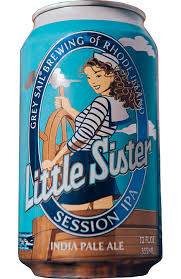
Ive loved Capt Daughter for years now. I just found Little Sister and I was pleasantly surprised. The initial aroma was almost like Capt Daughter. The color was a lot paler and the mouthful crispier. Great long aftertaste. Very happy I ran across this one.   Right now, this is becoming my favorite IPA.


Belgium

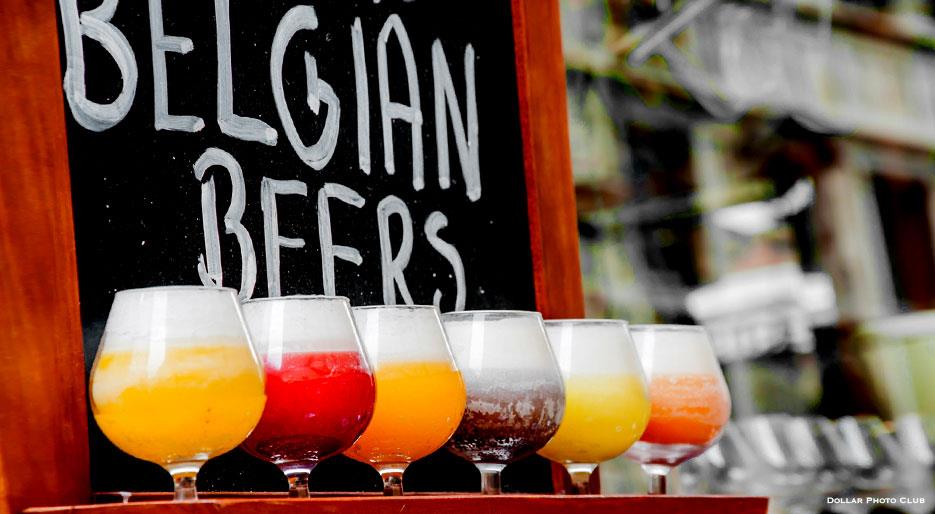
       Belgium Beers (Ales)  

Here are some important facts about Belgium Ales

Trappist beer is actually made by Trappist monks , dating back to 530ad
Dubbel  Rich malty beer with some spicy  characteristics
Tripel  Three times the amount of malt than a standard Belgium beer
Quadrupel   Great strength with bolder flavor,  Full bodied, rich and malty
Others  include Lambics, Witbier, Saison and Gueuze to name a few styles

The Trappist monks at The Abbey of Saint Sixtus of Westvleteren, Belgium, aren’t in the business of brewing beer for the riches or glory — they brew only enough to support themselves and their abbey.  In the mid 2000’s, the made a Westvleteren  XII, a dark, quadrupel-style belguim ale. This  was rated the best beer in the world.   I’ve tasted it a couple of times and quite frankly, I wasnt all that impressed.  But then again, I am not a big fan of Belgium style beers.  I do have one more that I am cellar aging to try in perhaps another year.   This brewery is relatively small, producing  about  126,000 gallons a year, as compared to Chimay, which produces about 3.2 million gallons a year.  There was so much hyped when this was first released, people stood on lines to get this ale.   Some people were willing to spend $50 a bottle just to get one!


A Craft Beer

As much as I love and enjoy wine, I also have a special liking to

craft beers.


When I was in high school and in college, (late 1960’s, early 1970’s) the beer of choice generally was Shaffer, Pabst,Miller and then a special beer came along,  Coors!, the original in the golden can and needed to be refrigerated since it was not pasteurized. 

Fast forward to about the 1980’s and it was boating time, playing time, softball and more.  The beer?  Coors in the Silver can.   

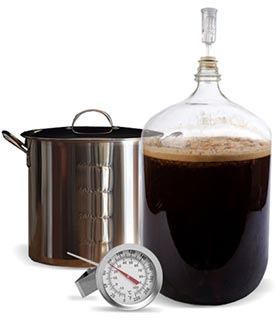
In the 1980’s and 1990’s, I started to take up home brewing.   I brewed about 50 or more beers.  First starting with the can kit, so basically nothing could go wrong.  As time went on and I became a bit more experienced and adventurous, I started selected the grains, the yeast, the hops and the real homebrewing process began for me.

This was so much fun and I quickly realized that even as a beginner, I could brew some excellent beers.  I had tried my hand a making wine,  first from a kit, then from grapes, but I soon discovered that there was so much involved in making wine.   My attempts basically produce jug like quality wines.  I soon gave up on that.


But beer making was a different story.   I started to read various books on home brewing, checking on different recipes to make. The sound of the beer fermenting and that ball cock gurgling was really neat.

I started making my own labels for my beers.  I was using the bomber bottles (24oz).  I loved the process of moving the fermented beer from one carboy to the next one until it was time to bottle.    Bottling was fun, capping each bottle and then putting on the labels.    However, after a while, this became a chore.  Not the actual beer making, but the clean up afterwards and the sanitizing of all the equipment, especially the bottles.

In 2009, after I retired from IBM, I started working as the Wine Manager at a local retail store.   There is where I started to really learn about craft beer.   The beer person at the store did a great job in bringing in all those craft and hard to find beers.   We started a ritual , that every night when we closed, we would select 2 or 3 beers and tasted them.   Over several years, this allowed me to try so many great beers and to record my experiences with each.  I started using Beer Advocate, since that was a great way to rate and record your beer tasting experiences.
Heady Topper DIPA

I had my favorites over the years,  but I basically was/am a IPA lover (Heady Topper)  and a fanatic about Stouts. (Dog Fish Head World Wide Stout)


So after all these years, I have probably tasted and rating about 300 beers.   Some I have loved and some that I would like to forget about.   It is so interesting to see how many  new breweries are establishing themselves in making some great craft beers.

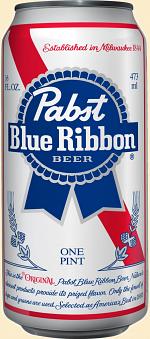
Today, I still love my beers, but if I am going to drink a beer, it will be a craft beer.   Everyone once in a while, at parties or outdoor events, the only beers are the standard Bud or Coors.   While I used to love those in the past, they now seem so bland and tasteless to me.   (Though they are still fine while chugging them down after working hard in the heat!)   About the only non craft beer I still enjoy is PBR 

Corkscrews

Think about this.  You have a really nice bottle of wine that you want to open, but you look around and you do not have any cork screw!   Now, I have see endless amount of Facebook pages on how to open a bottle of wine without a cork screw.   About 90% of those never work and you wind  up breaking the bottle.

Hence the Cork Screw! 

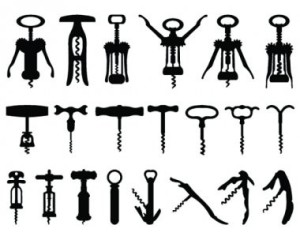
There are so many different types of corkscrews.  You could go into any department store, wine retail shop or online shopping centers and find endless amounts of corkscrews.  So many different types, sizes and shapes.

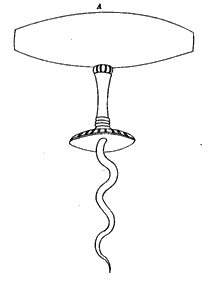
But before I even talk about the different cork screws, lets look at a little history.  No one knows for sure who the inventor of the corkscrew was, but it is believed it was derived from a similar device that would remove bullets that were stuck in a rifle.  However, the first known patent of the corkscrew dates back to 1795 by Samuel Henshall   

The top had a wooden handle, and a disc was added to prevent the from screwing too deep into the cork.  This cork screw proved to be so useful, it was widely used for over a 100 years.


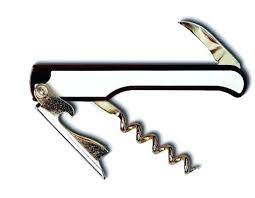
In 1882, Carl F.A. Wienke, filed a patent for the  Waiters Friend. 

   This cork screw became very popular especially in restaurants and bars.  The lever action made it very easy to withdraw the most stubborn cork.


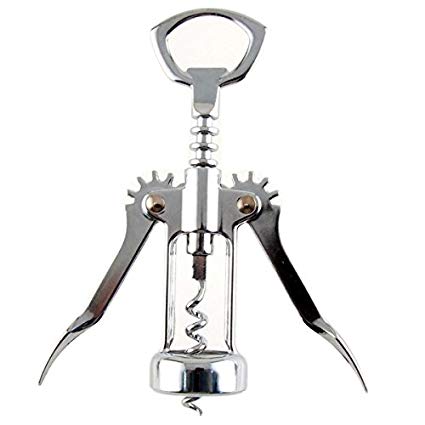
Another patent in 1888 by H.S. Heely was the double winged, or better known as the Winged corkscrew.  

This became the most popular cork screw in people’s homes.  It was easy to use, hardly ever failed, and it was sort of magical as the cork came out of the bottle with hardly any effort.

Recently there have been so many different types of corkscrews put on the market.  Some table top, some mounted on a wall, some using forced air to pus out the cork.   They all work, it can just be a matter of taste and how you want to show your guests how you pull a cork.

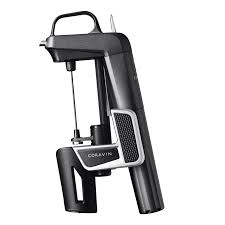
The most unique and to me most important development in cork screws is the Coravin  

Most of us know that while oxygen can be a friend to wine, allowing it to breathe , helping reduce some of the harsh tannins in red wines.   But it also can be an enemy in that the longer a wine removes in contact with oxygen, it starts to break down.  This oxidation can ruin many a good wine.   The Coravin was patented , approximately 2010, so that it does not have to extract the cork, but instead, inserting a small needle and allowing the pouring of the wine without compromising the wine itself.   This has been a great way to allow the tasting of some of the more expensive wines in the world.

But back the basics that most people will be using in their homes.  Whatever cork screw style you find comfortable for you, the most important part is called the worm.  

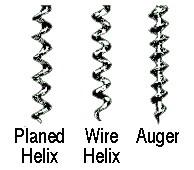
That is the part that penetrates the cork deep enough so that you can pull it out of the bottle.   But the most important thing about the worm is that it needs to be smooth.   Many of the early winged corkscrews basically had a auger for the worm.  It was sharper edges.  It penetrated the cork with ease, but unfortunately many times is ripped the cork, so out came the cork screw, but the cork remained in the bottled!

That always brought up another dilemma.  How to get the cork out of a bottle, when the cork is broken or chewed up.   The easiest way and I have seen countless people doing this, is to push the cork back into the bottle.  This does work, you may lose a little wine, and you probably will have some pieces of cork floating in the wine.   But you can carefully pour that into a carafe (which is an art in itself), or use something like cheese cloth to strain it.

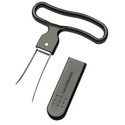
Now, the formal way, but not always the easiest is using called
le-creuset-butlers-friend   

With this device, you push the two knife like blades onto either side of the cork.   Then you gently start to twist and turn, slowly pulling upward until the cork is removed.   Trust me, it takes some practice doing this.   I had purchased an inexpensive type (less than $15) and discovered that it never worked.  The knife blades were too thin.   I did go out and buy one for about $35.  Still it takes a bit getting to use it right, but it will work.

But then again, today we do have some many good wines that use the
metal screw top.   Virtually impossible to fail while opening a bottle of wine!