


Terroir Definition. Terroir is how a particular region’s climate, soils and aspect (terrain) affect the taste of wine.
Wine is a living object. From the time, the first roots where planted in the soil, till the grapes started to bloom and eventually be harvested, to the wine making process, bottling and then eventually in your glass. All this time, the wine is living. It cant speak, but it can talk to you while you use your many senses.
Lets first start with where the roots are planted. Our first assumption, is that the overall climate is conducive to growing of grapes. That is the weather and climate will allow the grapes to grow and finally ripen. So, then all grapes and wines will be equal? No!
The word Terroir It combines, the soil, the slope, the sun, the climate, the winds and almost everything that comes natural within a given region. Some grapes do much better o steep slopes, while some want the hot sun during the day, but a cooling breeze for the water at night. Each vineyard owner, needs to analyze their overall terroir to help them determine what will be the best grape to grow to produce the best wine.
The study and effects of terroir on wine has become a major science in itself. Analyzing the macroclimate of the area is key to determining a final product and what modifications the wine maker may need to use.
In the Bordeaux region in France, many of the First growth wines, have additional vine plantings around the main Chateau. They reserve the prime areas for those special 1st growth wines, but then plant additional grapes in the surrounding areas. They then produce wines, under a different label and name. But you could have some of the best vines/grapes making the best wines growing on a southern exposed mild slope, and only less than 1/4 mile away, grapes growing on a southwest exposure and step slop produces average wines.
Nature plays such a key role in making the best wines. So much is out of anyone’s control, but the vineyard owners, do a lot of research and spend money on making sure where they plant is going to potentially result in the best wines.
But its not all about nature, human intervention has to come into play. The wine the vines are trained plays a key role in the development of the grapes.
Some vines are made to grow upright, this allowing more  sun to reach each grape. You will find these types of vines in areas that generally do not have long growing seasons. I have seen so much of these styles of vines on Long Island and most of Connecticut.
Then there are vines that grow more horizontal. This provides an equal amount of sun, rain, wind to reach each grape 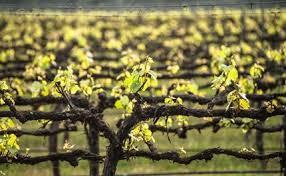 as they are growing. This method is also somewhat easier when it comes time for harvesting, either, by hand or mechanical. Here is a photo of typical Zinfandel vines in California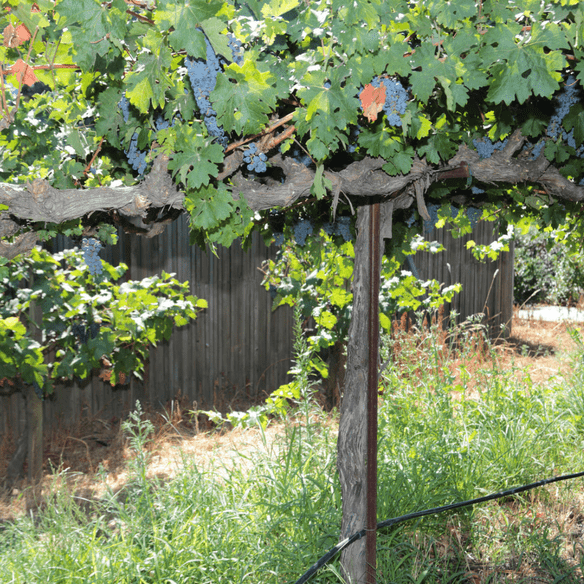
This is all called the This is a trellising system, and it’s a tool used in many vine training systems worldwide. Grape vines, unlike trees can not support themselves. Therefore, they need some aid. How the vine is trellised (see above) adds these factors to the eventual product
• vine balance
• amount of shade or sun on grapes
• ease of hand and mechancial harvest
• ease of hand and mechanical pruning
• amount of heat fruit gets from the ground
• likelihood of frost damage
• effect of wind
As I mentioned, the final product is not all about the natural terroir, but human intervention plays a key role. These include decisions about pruning, irrigation and selecting the time of harvest At the winery, the use of oak, cultured or ambient yeast, length of maceration and time in contact with lees, temperature during fermentation.
In France, particularly Burgundy, there is the belief that the role of a winemaker is to bring out the expression of a wine’s terroir. The French word for winemaker, vigneron, is more aptly translated as wine-grower rather than winemaker.