

Aperitifs – Perhaps a lost art?

An apéritif is an alcoholic beverage usually served before a meal to stimulate the appetite, and is therefore usually dry rather than sweet. Derived from the Latin verb “aperire,” which means “to open,” “aperitif” has several definitions. The most widely known definition applies to an alcoholic drink consumed prior to a meal. The aperitif serves to stimulate the appetite and prepare the taste buds for future courses. Aperitifs are less a distinct category of drinks than a state of mind, but the general idea is: something 20% ABV or under, bright and aromatic, and usually licked with herbs and a bit of bitterness.
I remember during the 1970’s working at that great wine shop and attending so many wine tastings and dinners, that aperitifs were so commonly served.
I remember, my sommelier instructor telling me, that before any meal, do not opt for the typical American cocktail, consisting of high alcohol (ie Martinis, Manhattan, etc), but instead go with one of the more versatile and less potent aperitifs. Instead of actually dulling your taste buds, this actually made them come more alive, so waiting for the first course was so inviting.
I remember the times I spent in France, the before dinner drink was always some type of aperitifs, and waiters would have a scowled look on their faces if you order a typical American cocktail.
What are some aperitifs?
Lillet (France)

White (blend of Sauvignon Blanc and Sémillon) Lillet has a golden yellow color with strong honey, orange, pine resin, lime and mint aromas. The taste is of candied oranges and floral exotic fruits with a long smooth rosemary like after taste.
Kir 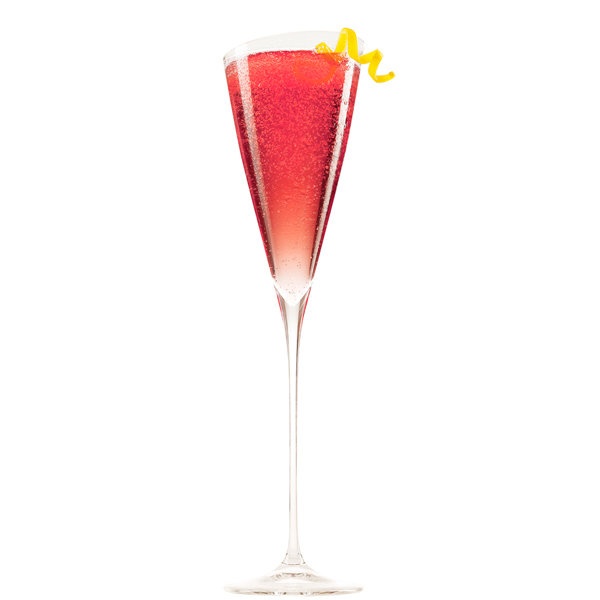 (France)
Is a popular French cocktail made with a measure of crème de cassis (blackcurrant liqueur) topped up with white wine. In France it is usually drunk as an aperitif before a meal or snack.
Dry Sherry (Spain) 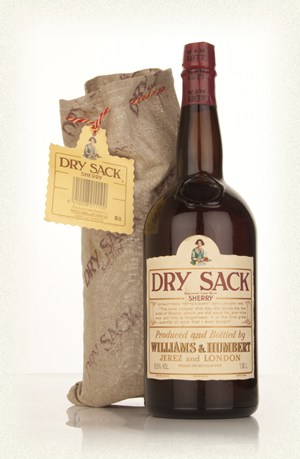
The aroma is very balanced, with sweet pear and green almonds. After a while it becomes more intense, with more hints of floral and olive brine. Nicely smooth and elegant, it never looses its fresh, fruity touch. Fino sherries generally have a good amount of acidity at first (green apple, lemon juice), then more of a bright nutty flavour.. The finish is rather short but clean and fresh.
Campari  (Italy)
Back in the 1970’s there were advertisements that said One in 10,000 Americans enjoy Campari – Do you? I think that reputation came because the bitterness associated with Campari. It has a very pleasant grapefruit, lemon and clove bouquet. The taste starts off a little spicy and sweet, but then slowly and boldly turns to a bitter bite. I have found it best with Soda and Lemon or in the classic Negroni cocktail
Picon  (France)
Orange is the dominant flavor, though quinine, cinchona, and genetian are also known ingredients. Takes an acquired taste. Many other aperitifs blossomed using this formula. Amaro CioCiaro, Ramazotti Amaro and Amaro Nonino
Cynar  (Italy)
Artichoke is the primary flavoring ingredient , but it does NOT taste like artichokes. This bitter is made up of at least 13 various herbs and plants. The aroma is definitely artichoke, but the taste is bitter with lots of those herbs coming through. It has a long lingering bitter aftertaste.
Dubbonet  (France)
A proprietary blend of herbs, spices and peels, and the medicinal quinine . Dubbonet was used in the mid 1850s while French Foreign Legion solider fought in Africa. This was to help with the problems of malaria
A very complex taste. Cherry, mint and walnut aromas, with notes of lemon zest, cardamom and toffee… with flavors of orange, nuts, chocolate and coffee; finishes fairly sweet, with lemon and herb notes.
Fernet-Branca (Italy ) It is a bitter, aromatic spirit made from over 40 herbs and spices, including myrrh, rhubarb, chamomile, cardamom, aloe, and saffron, with a base of grape distilled spirits, and colored with caramel coloring. I have tried this many times and to be honest, it is not easy to drink. But it is suppose to be great for the digestive system.
Pernod (France)
The bouquet features appealing aromas of licorice that are simultaneously dry, spicy, herbal and vegetal. Palate entry is first dry then off-dry, minerally, slatey and anise-like; mid-palate features the anise, but also nicely salty.
To me, its a finer and lighter version than the Italian Anisette or Sambuca
The difference between an Aperitif and a Digestif
Aperitif – Start of a meal . Meant to stimulate your appetite. Generally dry and bitter, with a low alcohol content. Several examples were given above
Digestif – End of a meal. Meant to help with digestion. Generally a bit higher in alcohol than an Aperitiff and sweeter. Some examples are
Ports
Sherry
Cognac