Rum

RUM

Rum is a distilled alcoholic beverage that is made from sugarcane byproducts such as molasses or directly from sugar can juice.  The process to convert these byproducts into Rum is the fermentation and distillation.    The result is a clear liquid that is normally aged in oak barrels.
The majority of rum production is from the Caribbean and Latin America.  It is also produce in many other countries, including the United States.

The grades and variations used to describe rum depend on the location where a rum was produced. Despite these variations, the following terms are frequently used to describe various types of rum:

  • Dark rums, also known by their particular colour, such as brown, black, or red rums, are classes a grade darker than gold rums. They are usually made from caramelized sugar or molasses. They are generally aged longer, in heavily charred barrels, giving them much stronger flavors than either light or gold rums, and hints of spices can be detected, along with a strong molasses or caramel overtone. They commonly provide substance in rum drinks, as well as colour. In addition, dark rum is the type most commonly used in cooking. Most dark rums come from areas such as JamaicaHaiti, and Martinique.
  • Flavored rums are infused with flavors of fruits, such as bananamangoorangepineapplecoconutstarfruit or lime. These are generally less than 40% ABV (80 proof). They mostly serve to flavor similarly-themed tropical drinks but are also often drunk neat or with ice. This infusion of flavors occurs after fermentation and distillation. Various chemicals are added to the alcohol to simulate the tastes of food.
  • Gold rums, also called “amber” rums, are medium-bodied rums that are generally aged. These gain their dark colour from aging in wooden barrels (usually the charred, white oak barrels that are the byproduct of Bourbon whiskey). They have more flavor and are stronger-tasting than light rum, and can be considered midway between light rum and the darker varieties.
  • Light rums, also referred to as “silver” or “white” rums, in general, have very little flavor aside from a general sweetness. Light rums are sometimes filtered after aging to remove any colour. The Brazilian cachaça is generally this type, but some varieties are more akin to “gold rums”. The majority of light rums come from Puerto Rico. Their milder flavors make them popular for use in mixed drinks, as opposed to drinking them straight.
  • Overproof rums are much higher than the standard 40% ABV (80 proof), with many as high as 75% (150 proof) to 80% (160 proof) available. Two examples are Bacardi 151 or Pitorro moonshine. They are usually used in mixed drinks.
  • Premium rums, as with other sipping spirits such as Cognac and Scotch, are in a special market category. These are generally from boutique brands that sell carefully produced and aged rums. They have more character and flavor than their “mixing” counterparts and are generally consumed straight.
  • Spiced rums obtain their flavors through the addition of spices and, sometimes, caramel. Most are darker in colour, and based on gold rums. Some are significantly darker, while many cheaper brands are made from inexpensive white rums and darkened with caramel colour. Among the spices added are cinnamon, rosemary, absinthe/aniseed, pepper, cloves, and cardamom.

In current usage, the name used for a rum is often based on its place of origin.  For rums from Spanish-speaking locales, the word ron is used. A ron añejo (old rum) indicates a rum that has been significantly aged and is often used for premium products.  English speaking islands generally produce a darker, smoother fuller tasting run based on the amount of molasses that is used in the production.  States and territories that had been formerly part of the Spanish Empire traditionally produce añejo rums with a fairly smooth taste

 Examples of Rum

Bacardi                   Puerto Rico  

Very fresh , clean with a slight lemon and pear flavor.  Taste is pure and clean with little burn.  The finish is clean, but without much to talk about.   My personal story why I do not drink light rum   —  Back in high school around 1968, at a beach party, drank too much Bacardi and coke.  Now 50 years later, I still cant go near a run and coke.


Meyers                   Jamaica 

This is 100% Jamaican rum, pouring a dark syrupy like liquid, full of caramel and burnt toffee.   Really dont know what to do with Meyers rum except for making        the Classic Planters Punch  or for cooking.


Dom Brugal         Dominican Republic

Pours a slight golden amber color.  No question about the smoky nose along with strong vanilla overtones,  and spices to boot.   The taste is strong oak and vanilla, with a feel of baking spices, but nothing else really comes through.  The finish exhibits a dark chocolate flair that fades as the oak tannins develop into a very dry finish.


                                                            Mount Gay            Barbados

Dark amber in color.  Aromas of caramel, spice, oak, fruit and molasses.   Taste has much more caramel, a good amount of sweetness and oaky taste.   The finish is long and lingering with a sweet honey like after taste.


                                                   Appelton              Jamica  

This 12 year old pours a beautiful harvest golden color.  The initial aromas I pick up are toasted orange and spiced cake.  The taste is full of orange , apricots and caramel.  The finish is long with a creamy sweet cinnamon and caramel after taste.   Only for shipping!

Vodka

 VODKA

Vodka, what used to be so plain and simple.   The early days of Smirnoff and Wolfschmidt Vodkas.   Clean, but lacking any distinction or excitement.  Great for mixed drinks.  Then there was the Vodka explosion.   One of the first on the scene was the Russian vodka, Stolichnaya, or Stoli for short.   It became the main stay at restaurants and bars.   Home bars would always include this vodka to identify the quality of their bars.

Vodka is basically very simple.  It can be made from

Wheat             A harsher but clean style of vodka, (Stolichnaya)
Rye                   Classified as dry and lean, hint of black pepper
Corn                 Can be a bit on the sweet side with a little burn (Titos)
Potatoes        Classified as being rounder and earthy
Grapes            Distilled from fine French wine grapes
Fruit                  Made from Oranges for one example

What also plays a key factor


Stolichnaya  Russian, distilled from wheat.  Distilled 3 times.    I guess this was my first premium vodka I had. I used to drink it in all of my drinks, mixed or straight.  It had sort of a semi-burning taste, but boy did it have so much more taste than those boring old time American vodkas.   PLUS, I loved their  Pertsovka


Grey Goose   French, distilled from wheat, rye, and barley.  Distilled 5 times.   Some time after 2000, that seemed to be the only name mentioned when ordering in a bar or restaurant.  This became the premium vodka to drink.  The best way I can describe the taste of Grey Goose is that it is gentle, easy drinking,  smooth, some level of citrus, but overall mellow to drink, excellent in cocktails.


Belvedere  Polish, distilled from rye.  Distilled 4 times.  Good amount of vanilla and rye, which accounts for its boldness.  The finish is clean , very lingering with a touch of white pepper taste.


                                 Purity   Swedish, distilled from organic winter wheat and barley.  Distilled 34 times.   Smooth, creamy and very clean.    Tasting a bit of vanilla and almonds with this.  The finish is very long lingering, dry and long without any burning.


Crystal Head   Canadian, distilled from corn.  Highest quality peaches and cream corn is distilled four times into a neutral grain spirit  and blended with pristine water from Newfoundland, Canada. The liquid is then Distilled  7 times, of which three are through layers of semi precious crystals known as Herkimer diamonds.

Taste is initially smooth and light, with some vanilla.  But when it first hits your tongue there is a bit of harshness, that rounds itself out in no time.   Finish, has that typical white pepper premium vodka after taste.


Svedka  Swedish, distilled from wheat.  Distilled 5 times.  Really hardly any noticeable aroma or distinctive tastes.  But it does come on very hard, but mellows out quickly.  Not a sipping vodka, use it in cocktails!


Whiskey

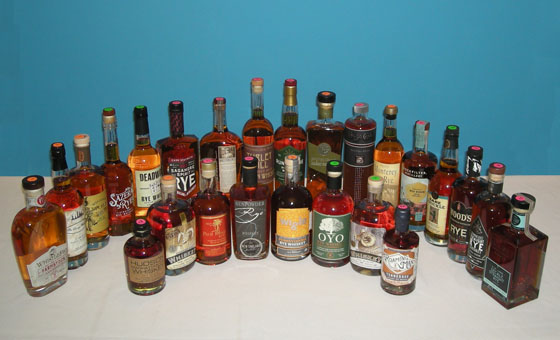
  RYE WHISKEY


HistoryRye whiskey was historically the prevalent whiskey of the northeastern states, especially Pennsylvania and Maryland. Pittsburgh was the center of rye whiskey production in the late 1700s and early 1800s. …

To be called a Rye whiskey, at least 51% of the grain used must be rye.  It  can also contain corn or malted barley.   This distilled whiskey is then aged in charred new oak barrels.

Different parts of the United States have different meanings for the term whiskey.  In the east, any where above Washington DC, when you ask for whiskey, you will automatically get rye whiskey.   Below Washington DC, you would get bourbon whiskey   Rye whiskey tends to be very flavorful,  which many refer to as a spicy and fruity taste.

Canadian rye  whiskey does not have that requirement.  In fact, they do not even have to use rye as the primary grain.   They can use more or less rye and more or less neutral spirits for blending.   This is why, Canadian rye whiskeys are considered lighter bu less flavor full as the American rye whiskey

Rye whiskeys can be considered blended rye.   A blended rye whiskey  is the product of blending different types of whiskeys and sometimes also neutral grain spirits, coloring, and flavorings. It is generally the product of mixing one or more higher-quality straight or single malt whiskies with less expensive spirits and other ingredients.

Rye whiskeys can also be made as straight rye.  This means that has been so aged for at least two years and has not been blended with other spirits may be further designated as straight, as in straight rye whiskey.

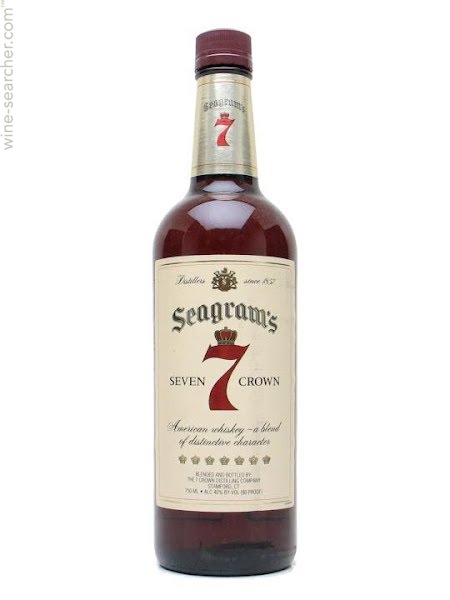
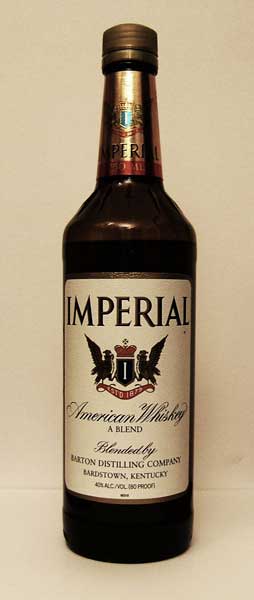
BLENDED AMERICAN RYE WHISKEY

Seagram  Ok, I have to be honest, I am not a big fan of American standard rye whiskeys.   To me they are always to harsh by themselves and even in some drinks, the infamous 7 & 7, I still find the alcohol and rye comes at me way too fast and furious.


Imperial    Basically, the same as my comments on Seagams.    I listed this one here, because it was the choice rye when doing boilermakers.   Now for you youngsters, a boilermaker is when yo take a shot glass full of rye and dump in directly into a glass of beer.   Then you pick up the glass and chug it all down!    Way      too many boilermakers in my early college days!

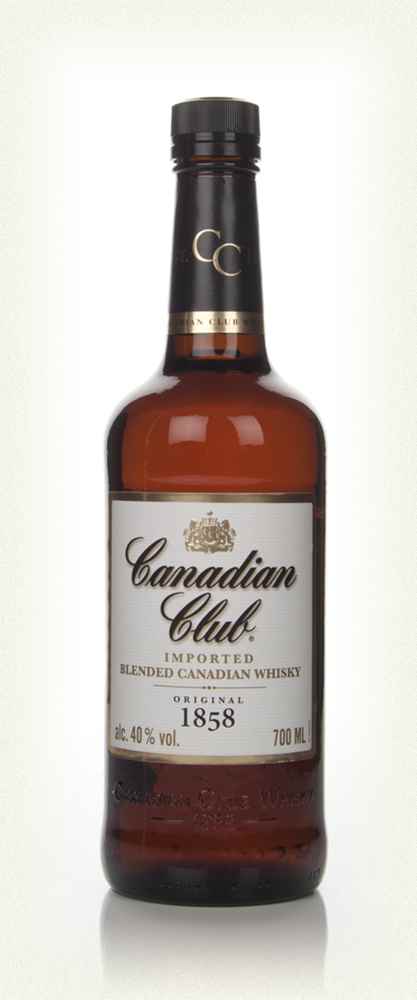
BLENDED CANADIAN RYE WHISKEY

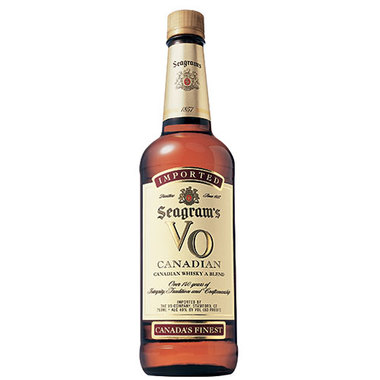
Seagrams VO and Canadian Club      I first started drinking the Canadian ryes when I was drinking Manhattans.  I always find that these whiskey were smoother and provided a better all around classic cocktail   The American ryes always seemed to harsh and that harshness stood above whatever cocktail you were making.


STRAIGHT RYE WHISKEY

Now we are talking the type of Ryes that I have always enjoyed!


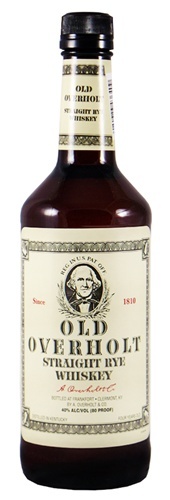
Old Overholt  


This is the straight American rye.  If you ever wanted to experience a true hearty straight rye, this is the one.  You can smell the dark grain rye,  the char smoke and char vanilla cola.

This is really not a full, heavy rye, more on the light mellow side, and leaves a nice smoky char vanilla after taste.


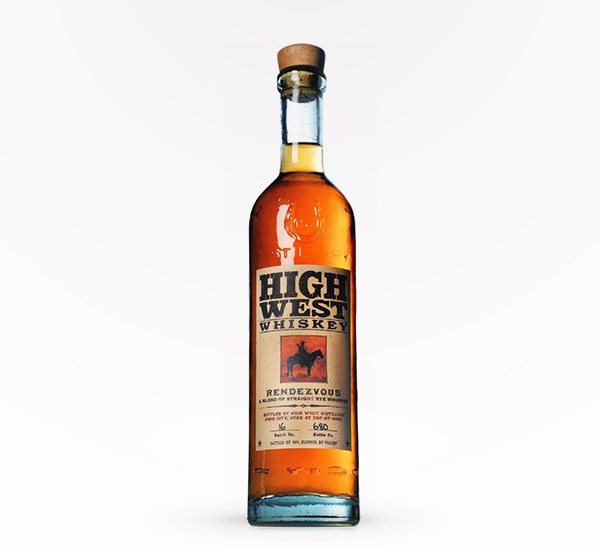
High West Rendezvous    I have to steal these tasting notes, because I wasnt sure how I could describe this rye: 

 “Nose, heat, mint, anise, cinnamon. Palate, molasses, mint, anise, fruit cake and dark chocolate. Finish is long, hot and satisfying.”


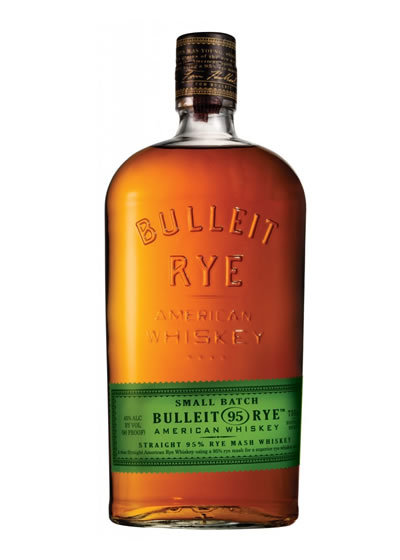
Bullit  Very strong nose of the rye grain, charred grains, vanilla, cinnamon and other spices along with summer fruit.  Sweet and Syrupy to the taste , while the aftertaste is medium, but black pepper tones really shine through.


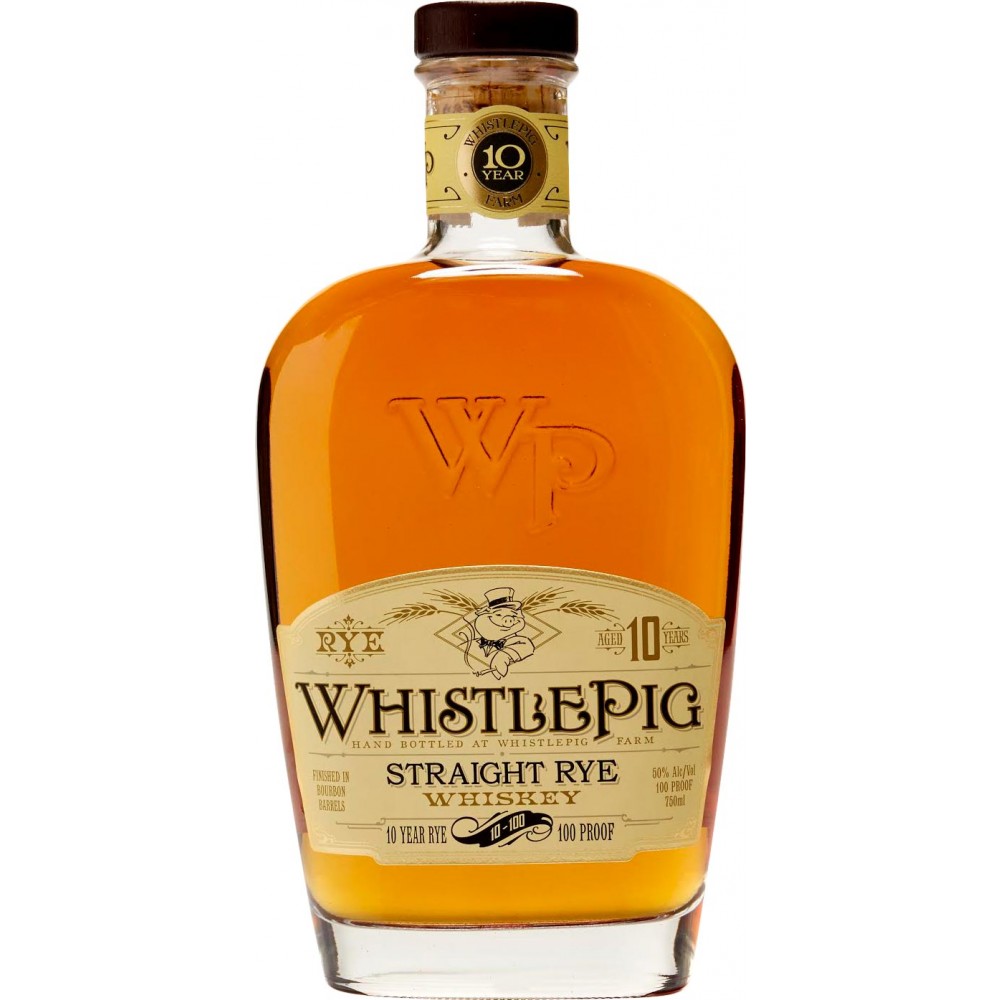
Whistle Pig    Again like most straight ryes, there is a pronounced aroma of rye and charred rye.   Add to this strong scents of ginger and nutmeg with a hint of anise.  During the finish, this mellows out to a creamy full texture with hints of butterscotch


Scotch

                                                                       SCOTCH


BLENDED SCOTCH

BLENDED  A blended scotch whiskey  is the product of blending different types of scotch whiskeys and sometimes also neutral grain spirits, coloring, and flavorings. It is generally the product of mixing one or more higher-quality straight or single malt whiskies with less expensive spirits and other ingredients

Johnny Walker They make several different versions.  From the original Red, Black, Blue, Green and Gold.  And you cant forget their short lived Double Black.  Considering the price of their upper premiums, I still find the Johnny Walker Black to do it all.  Its rich, very full and has that strong iodine flavor that is associated with Scotch.  A long lingering aftertaste.  I prefer this one over ice only.


Dewars A mainstay name for years.  Probably one of the most popular and recognized blended scotch whiskeys.  Light in taste, but yet still bold on the tongue.


Grants  


Very similar in style to Dewars.   Perhaps a bit more body and richness. .  Their 12 year old is an excellent blended scotch.   Rich, full of summer ripened fruits, vanilla , honey and a slight tone of butterscotch


SINGLE MALT SCOTCH

SINGLE MALT   Single malt Scotch is single malt whisky made in Scotland. To be a single malt scotch the whisky must have been distilled at a single distillery using a pot still distillation process and made from a mash of malted barley. …

HIGHLAND   Highland distilleries primarily produce single malt, which is made from 100% malted barley at a single distillery. Highland single malt is usually made on a pot still, a less complex distilling apparatus that preserves more of the flavorful congeners produced during the fermentation process. On the whole, Highland whiskies are bold, flavorful, and frequently (although not always) made with peat-kilned barley, giving them a smoky, medicinal quality.    Typical Highland flavours:  Fruit Cake, Malt, Oak, Heather, Dried Fruit and Smoke.
Most famous Highland Whiskey:  Dalmore and Glenmorangie

ISLAY  The region is known for its peaty single malts
Typical Islay flavours:  Seaweed, Brine, Carbolic Soap, Apple, and Smoke
Most famous Islay Whisky:  Ardbeg, Laphroaig and Lagavulin

SPEYSIDE  Speyside is known for its sweet single malts with either very little peat or absolutely no peat present at all. Some of the World’s most famous whiskies are produced in Speyside, Glenlivet, Glenfiddich, Glen Grant and The Macallan are world renowned scotch whiskies.

 LOWLAND Lowland whiskies, on the other hand, aren’t always made with barley (many include wheat and/or corn, making them grain whisky), and peat plays a much less prominent role. Today, many Lowland distilleries use huge continuous column stills, many of which are stories high, to produce enormous quantities of grain whisky quickly. These generally create a light, grassy style that’s used as the base of blended Scotch.    Typical Lowland flavours include:  Grass, Honeysuckle, Cream, Toffee, Toast and Cinnamon
Most famous:   Auchentoshan

ISLANDS  Although diverse in flavours, peat and salinity are found in all of          the Island whiskies, the latter because of the vicinity to the sea.
Typical Island flavours:  Smoke, Brine, Oil, Back Pepper and Honey
Most famous Islands Whiskey:  Talisker


Glenfiddich   Full body, rich, absence of any noticeable peat of smoke.  Lots of fruit and citrus here making this almost taste sweet with an abundance of vanilla, pear, honey and apple.


Glenmorangie  This is one of the more delicate Single Malts.  Hardly any noticeable peat or smoky flavor.   Soft on the palate with a hint of vanilla


Balvenie  They make so many different styles.  Some aged in Oak, some in Sherry casks, some in Port casts.  Overall all, the Balvenie family offers a very clean yet firm taste.  The absence of peat does not take away from the fullness and perhaps spicy feeling of these single malts.


Oban  A good amount of peat flavor here combined with the slight taste of sea salt balanced with fruit and a caramel nutty flavor.   I always notice some fresh citrus and vanilla during the taste and the finish always ends with a peaty, smoky, vanilla citrus overtone.


Talisker A peaty smoky fans delight.  Once you open the cork on this one, you can pick up the peat aroma from across the room.   The taste is just as powerful in terms of peat.  Yet, it is so balanced between body, richness, spice that with all that peat it is still a wonderful single malt.


Bourbon

     Bourbons

Important facts about bourbon:

  • Made with at least 51% corn grain. More can be used, but anything less is whiskey, not bourbon.
  • Aged for no less than two years.
  • Aged in a brand new oak cooperage (barrel or bucket).
  • Distilled to no more than 160 proof, and bottled at no less than 80 proof.
  • Manufactured in the United States of America.
  • Whiskey made in Tennessee is called Tennessee Whiskey
  • Whiskey made in Kentucky is called Bourbon
  • Straight bourbon must be aged for at least 2 years
  • If its aged over 4 years, the distillery has to put the exact age on the bottle
  • Bottled in Bond.  Distilled in one season and with one distillery|
  • Can be 80, 86 or 100 proof (divide proof in half = actual alcohol)
  • Small batch Mixing of several  mixing the contents of a relatively small number of selected barrels. Not regulated by the US government.

Many bourbon tasting notes.  Aroma: Spicy with sweet fruit, fresh oak and delicate corn notes underscored by a layer of caramel and vanilla. Taste: A lively entry with spice, caramel and vanilla that melt into a mixture of fresh and dried fruit notes.


Basil and Hayden  

My immediate reaction after tasting Basil and Hayden was one having a lot of sweet spices.   Caramel, Cinnamon nose with an Fig like honey highlight with a good amount of pepper.  The taste contained apple, plum, fig like flavors with a nutty overtone.


Makers Mark     A sweet corn and relish nose was the first thing I noticed.  The taste reminded me of burnt apple. sweet corn and calamari.  Unlike its Kentucky counterparts, this bourbon was friend forward with delicate flaours


Hudson Baby Bourbon    This bourbon made in New York and is hand made in small batches.  This has led to many a bourbon shortage during our summer months.  Nice sipping bourbon. You can taste the corn and has a sweet finish.   It demonstrates a real live and delicate flavor.


Rare Eagle  

Has a toaster oak aroma and feel, augmented by an orange peel taste with maple syrup.  The taste demonstrates Honey, buttered bread, oily walnuts and a touch of red fruit.


Litchfield Distillery  

Traditionally aged in #4 Charred Barrels,  our Straight Bourbon Whiskey displays a beautiful amber color and releases wonderful vanilla and butterscotch notes. It has a smooth, balanced taste with a slightly peppery finish. Aging in 8-year cooperage creates a complex yet smooth-sipping spirit that mixes extremely well with classic cocktails like Old-Fashioned’s or simply enjoyed neat.