

 Good One
Women in Wine
For centuries, the winemaking business has been a male dominated if not exclusive occupation. Its so refreshing to see that women have begun to enter this field and make a big impact on the industry.
This move has not and is still not easy.. One problem immediately apparent in any sommelier survey is that the proportion of women in the Master Sommelier community remains glaringly small. In the U.S. there are currently 182 Master Sommeliers, of whom just 29 are women. The better news is
this year’s Top 100 People in the U.S. Wine Industry list by the blog IntoWine.com, 24 out of 100 were women.
Two women always comes to mind when I think about wine making.
Barbe-Nicole Clicquot ,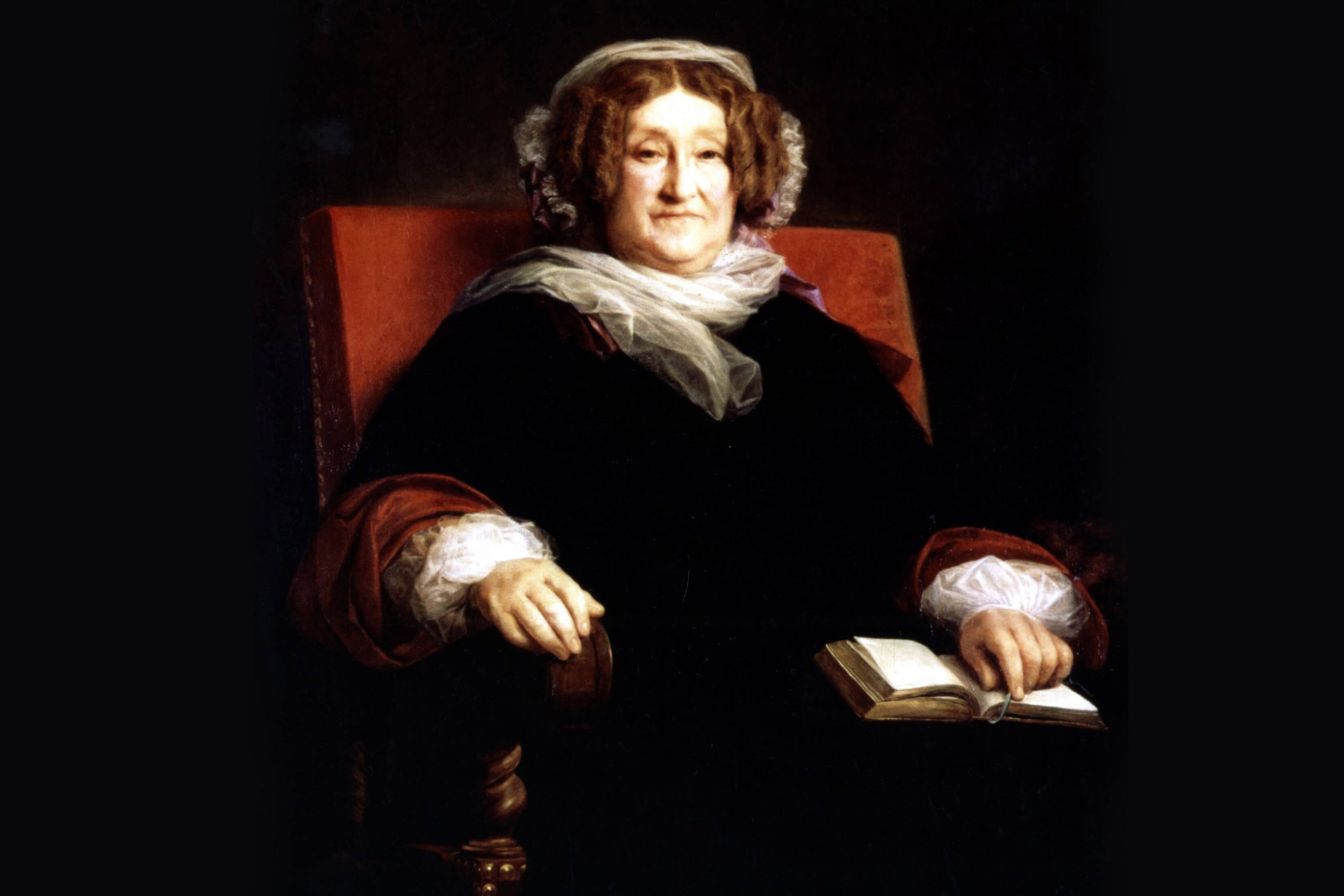 known as the “Grande Dame of Champagne ‘
Susana Balbo. She has been making a name for herself in the wine industry for over 30 years. She was Argentina’s first female 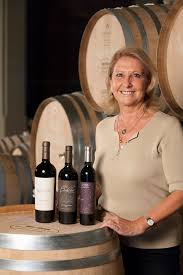 winemaker and the first woman president of Wines of Argentina, an organization that promotes the country’s wine industry to a global market.
One of her trademarks, is the label on her Crios series of
wines. This family spirit lives and breathes with her Crios wine range. Crios in Spanish means “offspring” and was created in 2001 as a tribute to her son, José, and daughter, Ana.
Other notable women in wine for their major accomplishments are:
Hannah Weinberger, the first female winemaker in Napa Valley – 1880s
Madeline Triffon, the first female Master Sommelier in USA – 1987
MaryAnn Graff, the first female modern winemaker in California – 1965ish
Sarah Morphew Stephen, the first female Master of Wine – 1970
Here are some recent female winemakers that everyone should take notice to.
Vanya Cullen – Cullen Wines, Margaret River, Australia
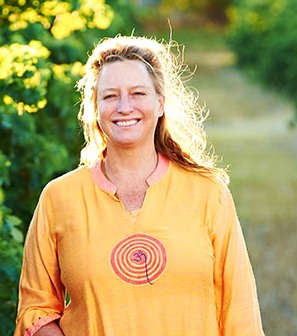
Cullen, who farms by biodynamic principles, focuses on Chardonnay and Cabernet Sauvignon. For her, a sustainable mindset is paramount, as she considers herself a custodian of “an ancient land.” The Wilyabrup, which means “place of red ochre,” is a subregion of Margaret River that Cullen believes provides “the purest expression of place because the natural environment is so clean.”
Trizanne Barnard – Trizanne Signature Wines, South Africa
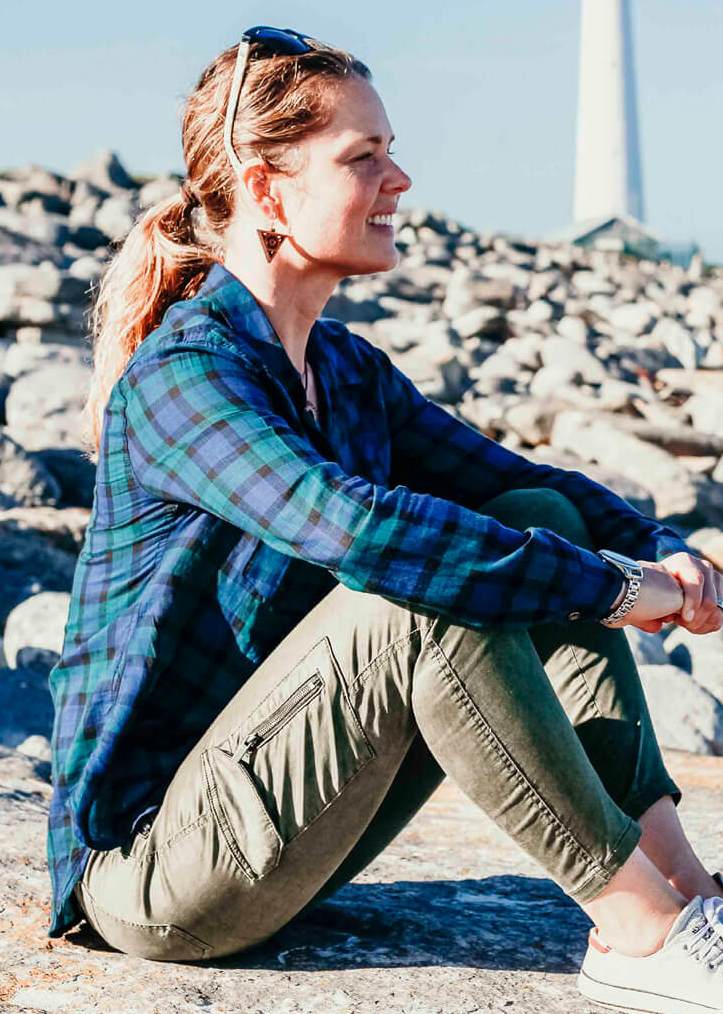
In Kommetjie, a quaint village on South Africa’s Cape Peninsula, Barnard makes wine for her namesake label. She sources grapes from two diverse regions, Elim and Swartland, and she strives to honor those origins.
“I respect the area from which I source grapes and try to make a wine that reflects as much,” says Barnard.
Luisa Ponzi – Ponzi Vineyards, Willamette Valley, Oregon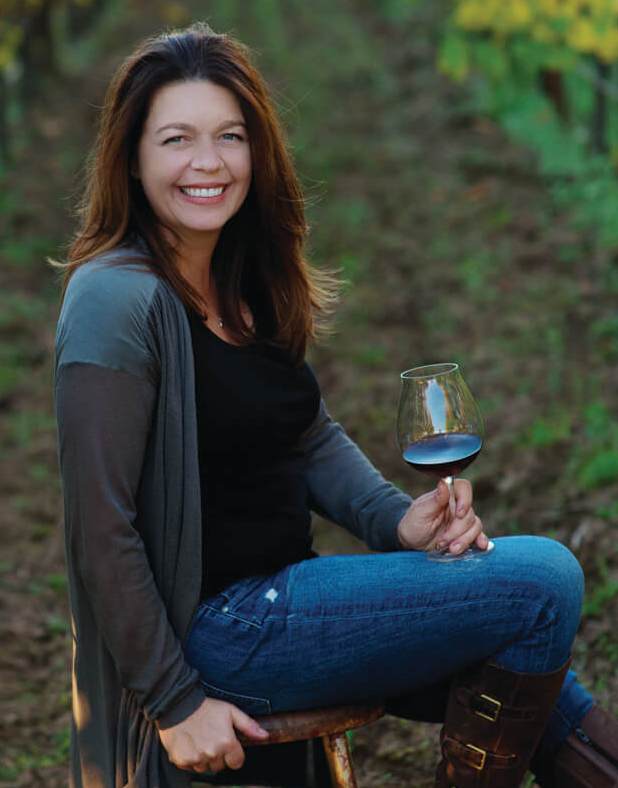
Ponzi gained perspective on Old World methods as she attended school in Beaune, France, and interned with Christophe Roumier, of Domaine Georges Roumier in Burgundy, as well as Luca Currado, winemaker at Vietti in Piedmont. She was exposed to more than just the stringent rules that shape European viticulture.
Sarah Crowe – Yarra Yering, Yarra Valley, Australia
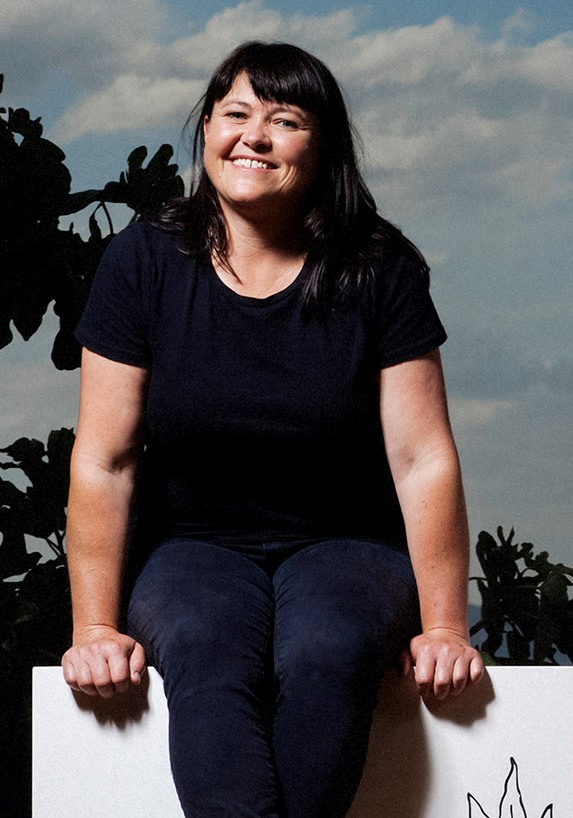
In 2013, after a stint at Bimbadgen, she departed Hunter Valley for Yarra Valley. She’s made Yarra Yering’s wines since, and picked up a 2017 Winemaker of the Year distinction from James Halliday.
Kathy Joseph – Fiddlehead Cellars, Santa Barbara, California

Joseph founded Fiddlehead Cellars in 1989 in Santa Barbara County and, in 1996, purchased the Fiddlestix Vineyard in the Sta. Rita Hills American Viticultural Area. Her wines express finesse, or “personality with elegance,” as Joseph puts it. Joseph’s focus is on fewer varieties—she grows Grüner Veltliner and Pinot Noir—and refinement of technique.
Helen Masters – Ati Rangi, Martinborough, New Zealand

Her advice for women who seek to be winemakers: “I’d equally give this advice to [all aspiring] winemakers. If you’re passionate about wine, get into it, boots and all. Learn everything you can, go everywhere you can and most importantly, figure out how you want to work. There’s huge diversity in the industry, with businesses large and small. Within that, there’s great opportunity to find the one that suits you.”
Credit: Wine Enthusiast 3/19
Wine Shopping
My post on Instagram

-
Wine Shopping. It can be a fun and exciting experience or a scary uneasy experience. To me the key lies with the wine salesman.
I started in wine retail in the beginning if 1970. Along with my 35 years with IBM and retirement I’ve worked at 4 different wine retail shops. One of my hobbies is visiting various wine shops all over the USA. I like to see their inventory, displays but also to watch how salesman interact with their customers.I’ve seen such varied styles. I can see why some people are intimidated by some salesman. Those types have a “Im smarter than you” and look down their noses at you. They throw out big words and expect you to smell and taste everything they say you should. And when you dont they chuckle. Then there are salesman that will sell you anything that is on sale even if it was not a type you were looking for. We also have the salesman that really doesn’t know wines and should not be doing that task. They are the ones that when you ask if that Red Zinfandel is good. Their answer is “Its the best in the store and very sweet”. All of this just leaves a unhappy customer. What should a wune salesman be like? Knowledgeable, Honest, Communicate at the customers level. And when they dont know an answer, then just say “I dont know but I will get you an answer”A valuable tool for wine shops is wine tastings. I’ve run so many in house wine tastings. Here are my musts.1) Do not only taste sale wines.2). Change the style and type if wine uiu offer frequently3) Try tasting like grapes or same type if wine from different countries4) provide the customer with the details,terms, aromas, and taste they should expect.But also make it light and easy. Letting the customer know its not easy to pick all if that up. Whats important is if the customer likes the wine or if they do not like the wine. My key to success in doing that is having those same customers coming back week after week to see you
French Wines –

FRENCH WINES
After reading more of WineFolly’s Magnum Edition, I concentrated on a few countries.
What I found very interesting where the wines from the different French regions that I have had over the years, but for whatever reason, I just don’t see those wines around. I am sure if you go to a high quality wine shop you will find them all.
I set this up with the name or type of wine on the left and the region where it came from on the right. Wines that I was so familiar with years ago, I highlited in GREEN. The wines that I am sure everyone is familiar with I kept in BLACK. The regions I highlited in RED
Name Region
Barsac Sauternais
Sauternes
Paulliac Medoc – Left Bank
Saint-Estephe
Saint-Julien
Margaux
Graves
St-Emilion Medoc-Right Bank
Pomerol
Cote-de-Nuits Cote-de-Nuits
Nuits –St-George
Gevrey-Chambertin
Chamboille-Musigny
Vougeot
Vosne-Romanee
Aloxe-Corton
Mercurey Cote de Beaune
Givry
Volnay
Pommard
Meursault
Puligny-Montrachet
Chassange-Montrachet
Moulin-a-Vent Maconnais
Chiroubles
Julienas
Fleurie
Morgan
Brouilly
Chablis
Pouilly-Fuse
Beaujolais Villages
Gamay
Macon
Minverois Languedoc-Roussillon
Cote’s du Roussillon
Corbieres
Saumur Loire Valley
Chinon
Muscadet
Pouilly-Fume
Sancerre
Vouvray
Anjou
Hermitage Rhone Valley
Cros-Hermitage
Gigondas
Chateuaneuf-Du-Pape
Cotes du Rhone
Tavel
Retail Wine
Reply made to one of Madeline’s WineFolly Youtubes

Madeline
I was just watching your youtube on retail. This has always been close to me. I started in wine retail in 1969. Spent 5 years there learning from a sommelier and focusing on French, German and Italian wines. I also spent some time with a distributor and a wholesaler. This gave me a better understanding of the entire industry. I left that industry and spent the next 35 years with IBM. But i stayed close to wines. Running private wine tastings and working part time to run wine tastings for a retail shop. Then when I retired from IBM I went back into retail as a wine consultant. Some much has changed since 2000. Companies like Barefoot selling every type of wine from different countries and explaining they do not make their own wines .
Then 90+ came out that explained to the consumer that they basically had someone make their wines from different countries and sold it under there label. A much better product then Barefoot. This provided and easy method for retailers Sell and customers to purchase. EasyBreezy. But the better shops made sure the big names were there. For US, it was Mondavi, Wente, Silverado and tons more. Then add all the international wines.
For a novice consumer wine buying can be very scary. Thats why a good retail person makes all the difference. I’ve tried to expand on this on my blog, which is in my bio. I just have to tell you in the 40+ years in this business, reading dozens of books, attending countless seminars,etc. your approach is the MOST REFRESHING, FUN, EASY TO UNDERSTAND and DETAILS about WINE
Chronic Pain and Alcohol

(This was posted to my Instagram account on 10/28/10)
I’m generally always upbeat and talking about wine. But there is another subject that is even more important. That is Chronic Pain. Not just what it means to the patient, but to the entire family. I started with back problems when I was 15. I had my first spinal surgery when I was 28.
Now that Im approaching 70, I’ve had over 17 spinal, joint, heart and foot surgeries. I have lived almost everyday for the past 15 years with opioids. At times some very high dosages. Now I am on a maintenance level, but still much more than the healthy person.
I am still happy and thankful for everyday. If it wasnt for my wife, Pat, who has been my caretaker for over 40 years and my children, Keith and Christine, I doubt I would still be here today. Opioids and alcohol dont mix. I was fortunate that my family stepped in to set me straight. Yes today I still use painkillers and I love my wine.
I’ve learned a balance between them. I owe so much to my family. Their undying love has hopefully made me a better person.
Why write this? Because there are so many people living with chronic pain and look ti escape from that with drugs and alcohol. Im saying no to that and yes that we all need loving families
Wine Branding

This is my reply to therealkristenmarie post on Instagram
Her title was “NEW BLOG POST!” Do you think wine brands are striking out with younger generations?
This is a very interesting subject and something that I have thought about since I was first involved in the wine business. I started working in the Wholesale and Retail side of Wines in the early 1970’s
I then spent the next 35 years working with IBM. But during that time, I still kept involved with wines. I ran countless number of private wine tastings at my house or at someone’s else. I ran wine tastings for a local wine shop on Saturdays. Plus I coordinated many gourmet Wine Dinners, each with a specific them for over a 100 people.
When I finally retired from IBM in 2009, I went back to my roots. I started working as a Wine manager for a local wine retail shop. Part of my retirement package from IBM, I was allocated money to spend on retraining. I seriously thought in officially becoming a sommelier. We all decided against that, for two basic reasons. At 60, what was I really going to do with a sommelier’s title and the fact that I’ve been involved with wines, was trained by a sommelier, researched, read, visited and of course drank wine, I had a very good knowledge of wine. Then again you never have enough knowledge about wine.
I’d like to break down the wine customer into different categories. First, I will go with the 21 to 35 age group, and those that have almost zero knowledge to those that are sophisticated wine drinkers
Back in the 1970’s, wine was really just started to show up in retail shops. Prior to this, it was almost all hard alcohol and cordials, along with a few jug wines. A few wine shops did carry some of the European classics, but that was not the norm.
People loved sweet wines. They were easy to drink and affordable. Those were the hilight days of Boones Farm Apple Wine, Ripple and Bala Hai. The sligthly more educated drinker would go for the Mateus and Lancers Roses from Portugal, or the sweet semi-sparkling red Lambrusco from Italy.
These were the wines that sold and marketing did a great job. Billboards, commercials, ads, etc all really made those wines something to look for.
Then in the 1980’s, there was a slow trend trend to American wines. Gallo had always had their jug wines, but know the 5th or half gallon was coming out. The wines from the Lake Niagara region of New York State produced semi-sweet wines from the native lambrusca grape (the Foxy grape) Widmer and Taylor Lake Country wines made easy to drink and very affordable wines.
In the beginning of the 1990’s, there was what I saw a new trend towards wine.
People still gravitated to the sweeter wines. Especially the easy drinking Rhine and Moselle from Germany. What ever wine shop you were in, you would always see displays of Blue Nun Liebfraumilch and Zeller Schwarze Katx (The Black Cat).
Right before the millennium, wine names like Merlot, Shiraz, Chenin Blanc and Pinot Grigio became a household and restaurant name. I was so happy to finally see the end to the American wines labeled Chablis. Chardonnay was in the limelight
Mid 2000 and early 2010’s, people seemed to become more interested in wine. They wanted to know more about wine, they sought out some education, drank different types. Almost all of the retail shops offered free wine tastings.
Today, I think the wine industry is at the top of its game. Between the advertising, promotions, wine tastings, etc different wines are being focused to all different age groups. One of the biggest changes I believe that made a huge impact was the introduction of the Wine Blends! The Reds and Whites, they were so easy to drink, not too dry, not sweet, not much tannin (not many people knew what that was) Almost all the big name wineries have added one, two more blends to their product line and that is good – It has addressed every age group.
I also like to break down wine into three categories
A) New to Wine. These are the people that are first venturing out to wine, many of them, do not even ask for help at wine shops, instead they seek out wines by the look of the label! The price range is generally under $10
B) Enjoying Wine. These are the folks I love to work with. The are beginning to enjoy wine and are eager to learn more. I try to set them up with the various wines by Grapes, Styles and Countries., then go back to the same grape from different countries, etc. I encourage this group not to spend more than $20 for a bottle of wine and suggest the $7.99 to $14.99 range. There are so many nice wines in that range
C) I want WINE. These are the people that will drink just about anything. They are not interested in what kind of wine it is, where its made from or anything. Their price range is from $0.50 to $3.99. Heck, we all might have started there. My go to wine when I was 19 was Ripple, at .49 cents a bottle.
The key for the industry to me is to gear its focus on theses 21 to 35 age group. They are going to be the people, once they like a wine, will continue and grow their knowledge. We shouldn’t have to worry about the over 50 age group. Not because they are to old, but there are already set on hard liquor or are already knowledagble wine drinkers.
Stay away from gimmick. Working in retail shops, I’ve seen too many cheezy signs, displays from the wholesaler trying to push a wine.
The industry will grow even more when their focus is not only in providing quality wines and reasonable prices, but to educate the consumer.